Agassiz Wilderness
Hosted by U.S. Fish and Wildlife Service
New listing
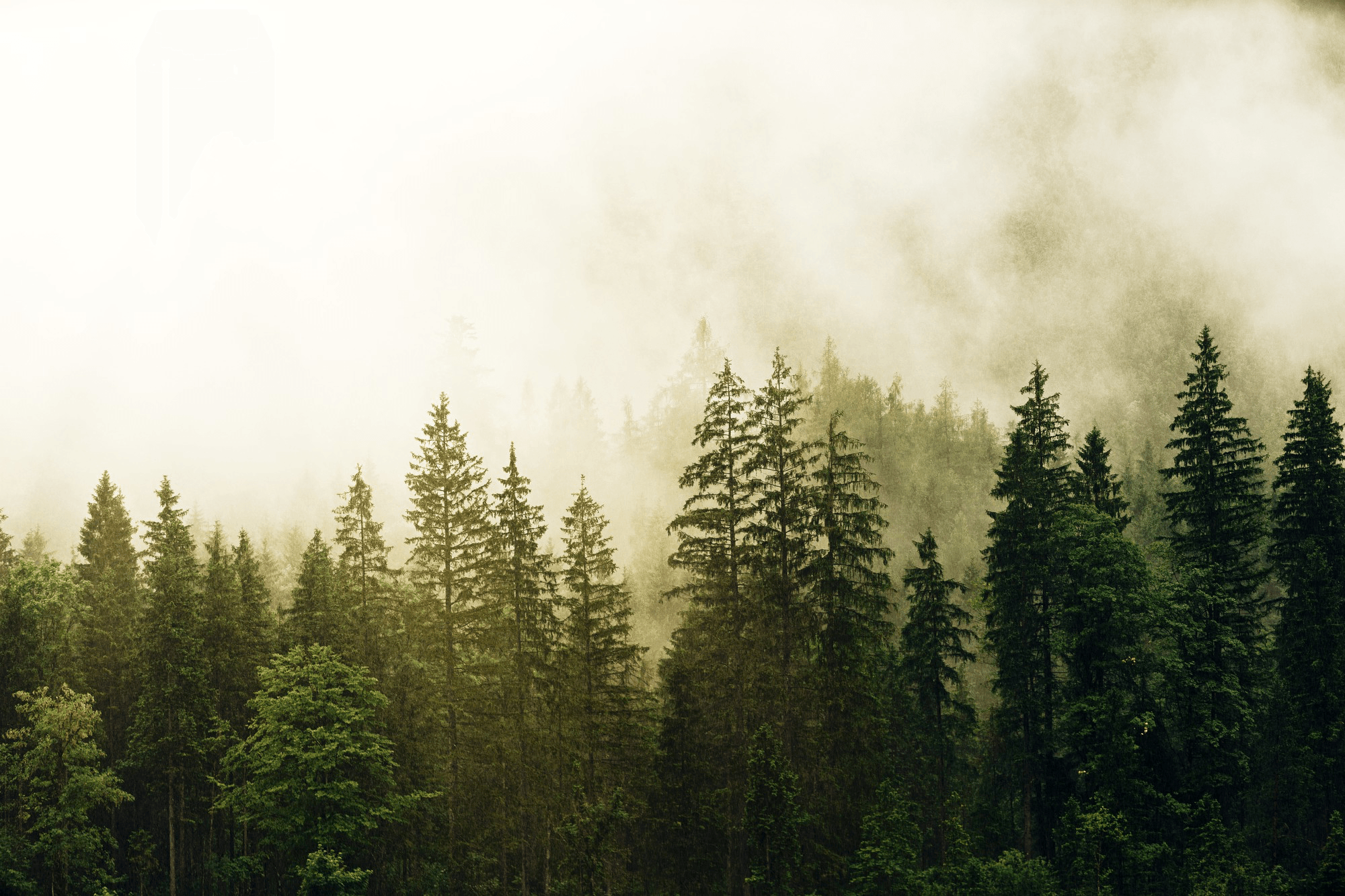
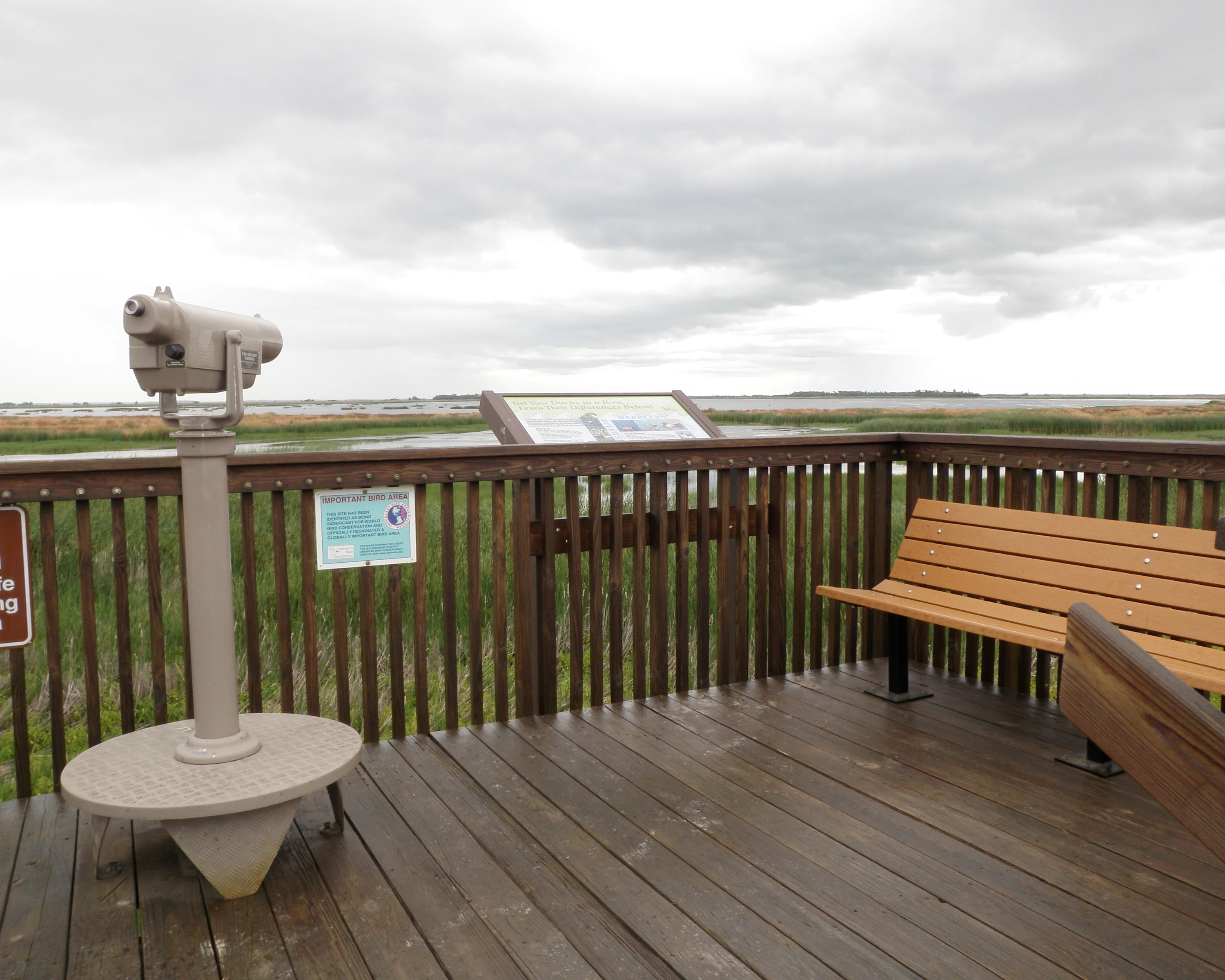
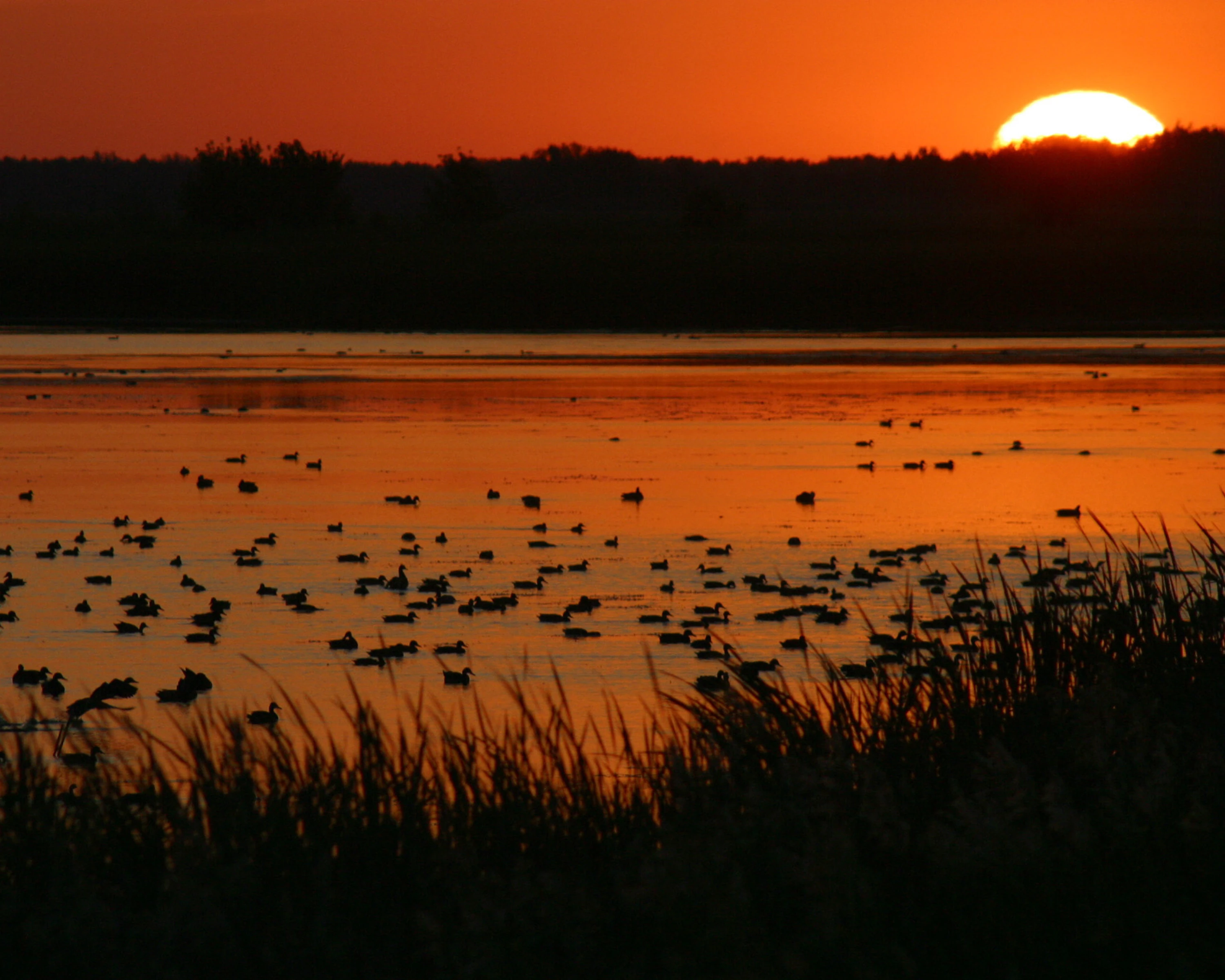
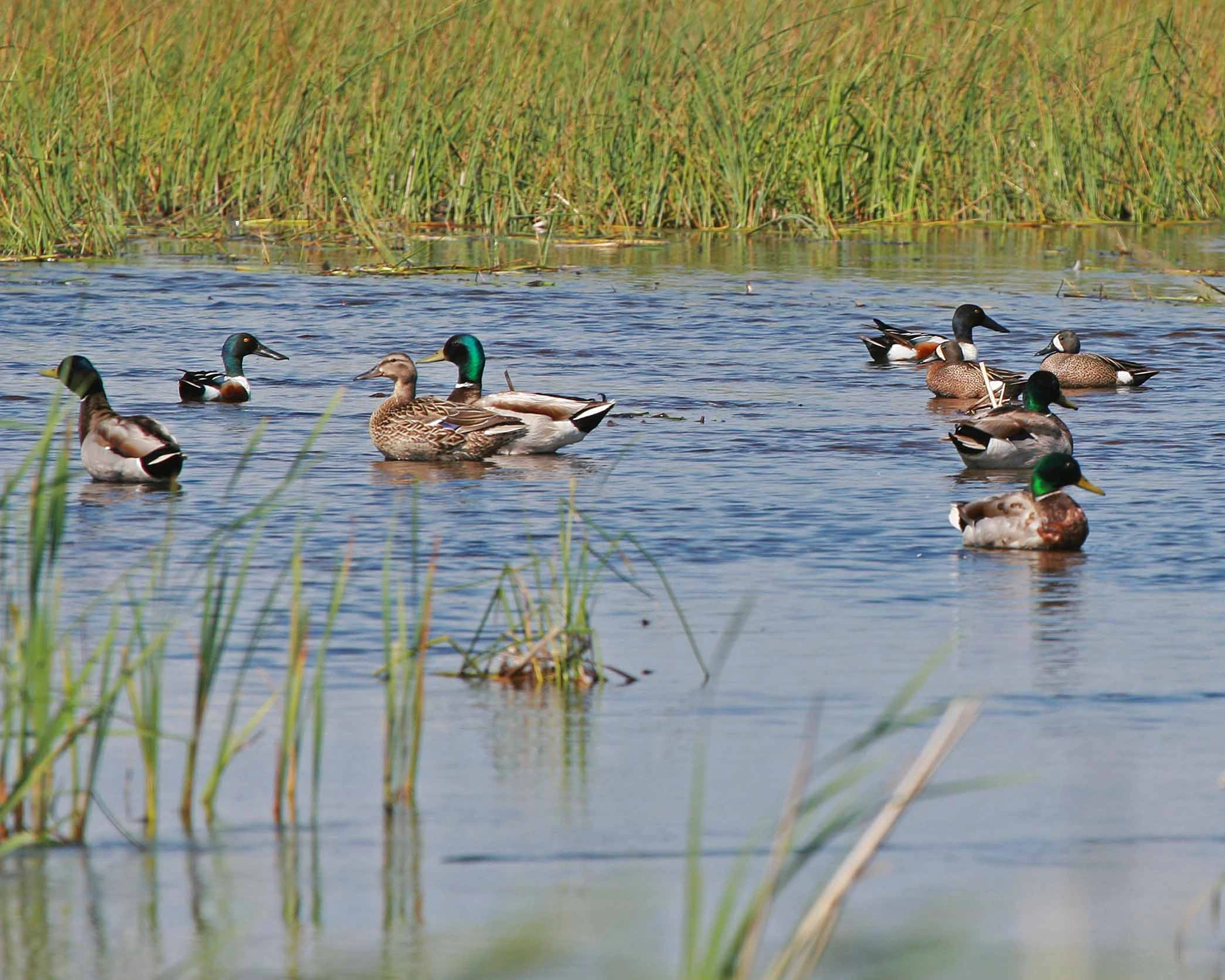
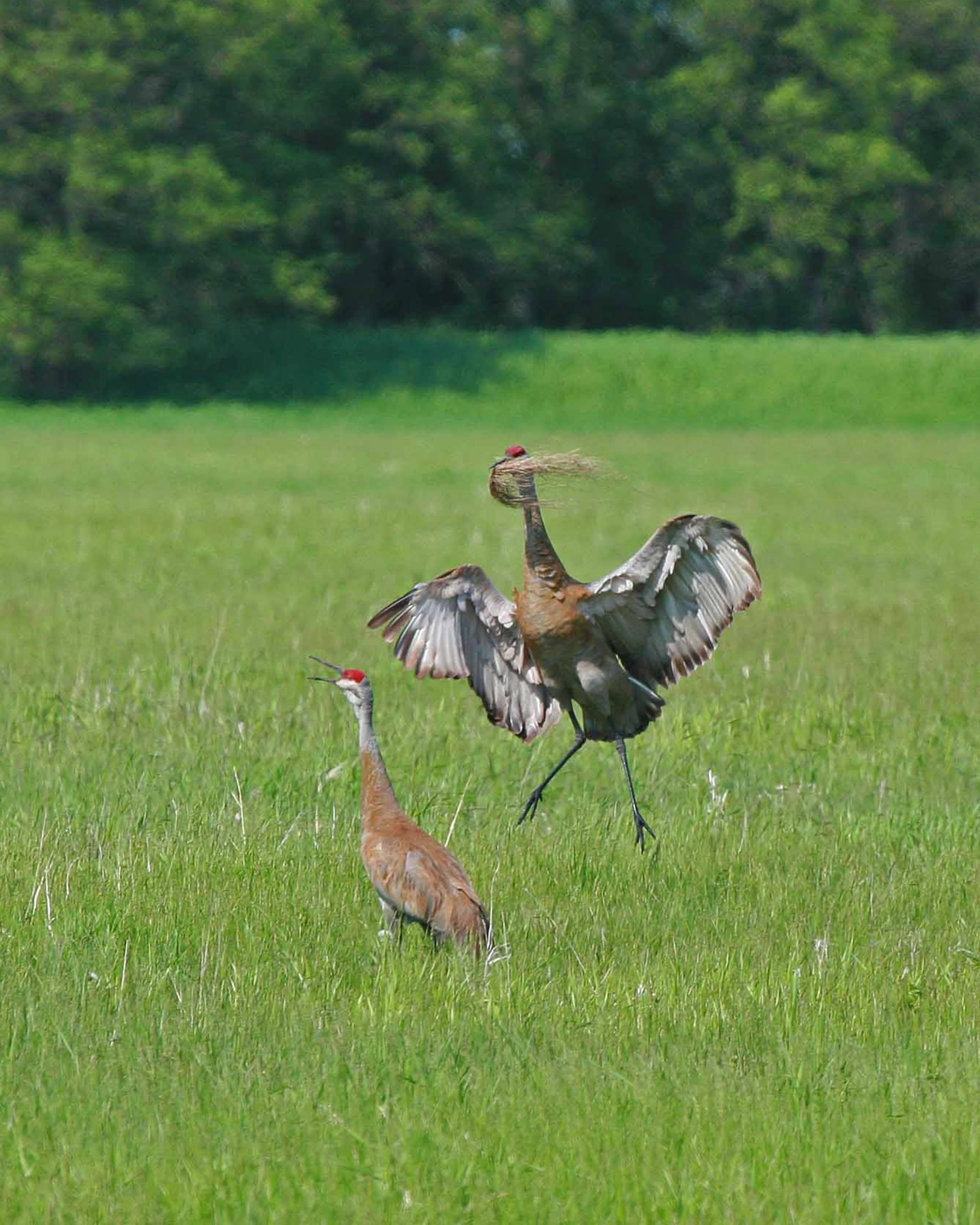
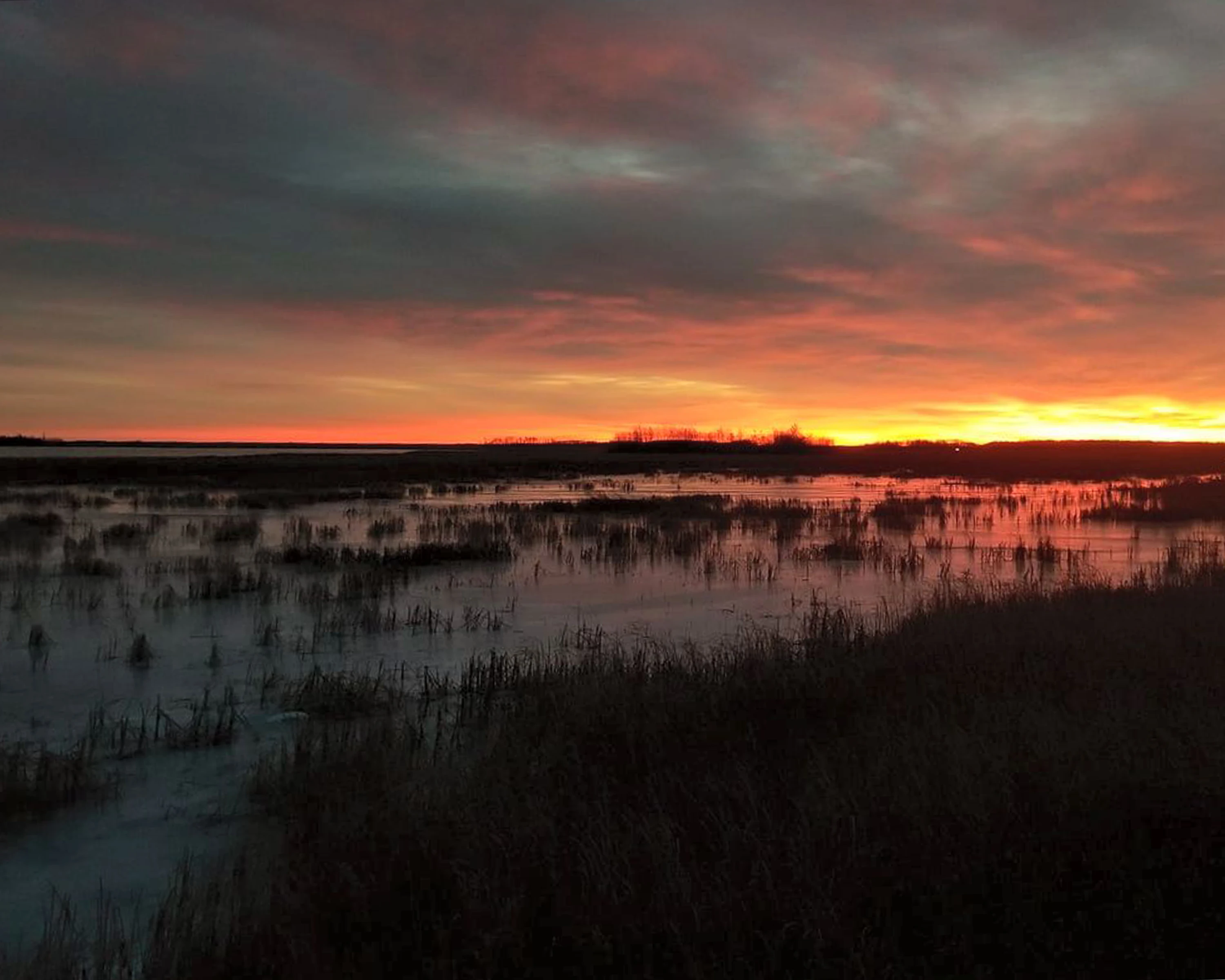
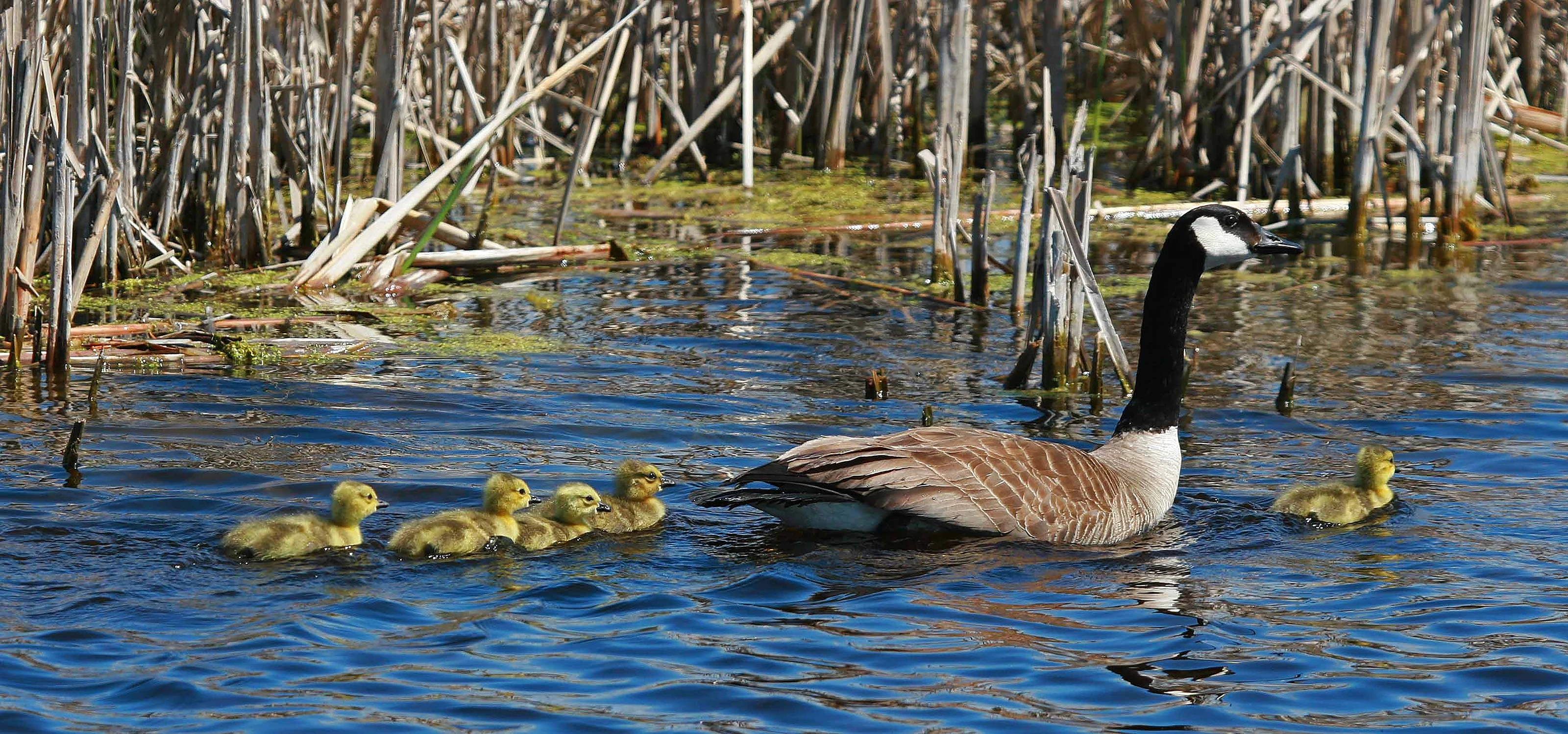
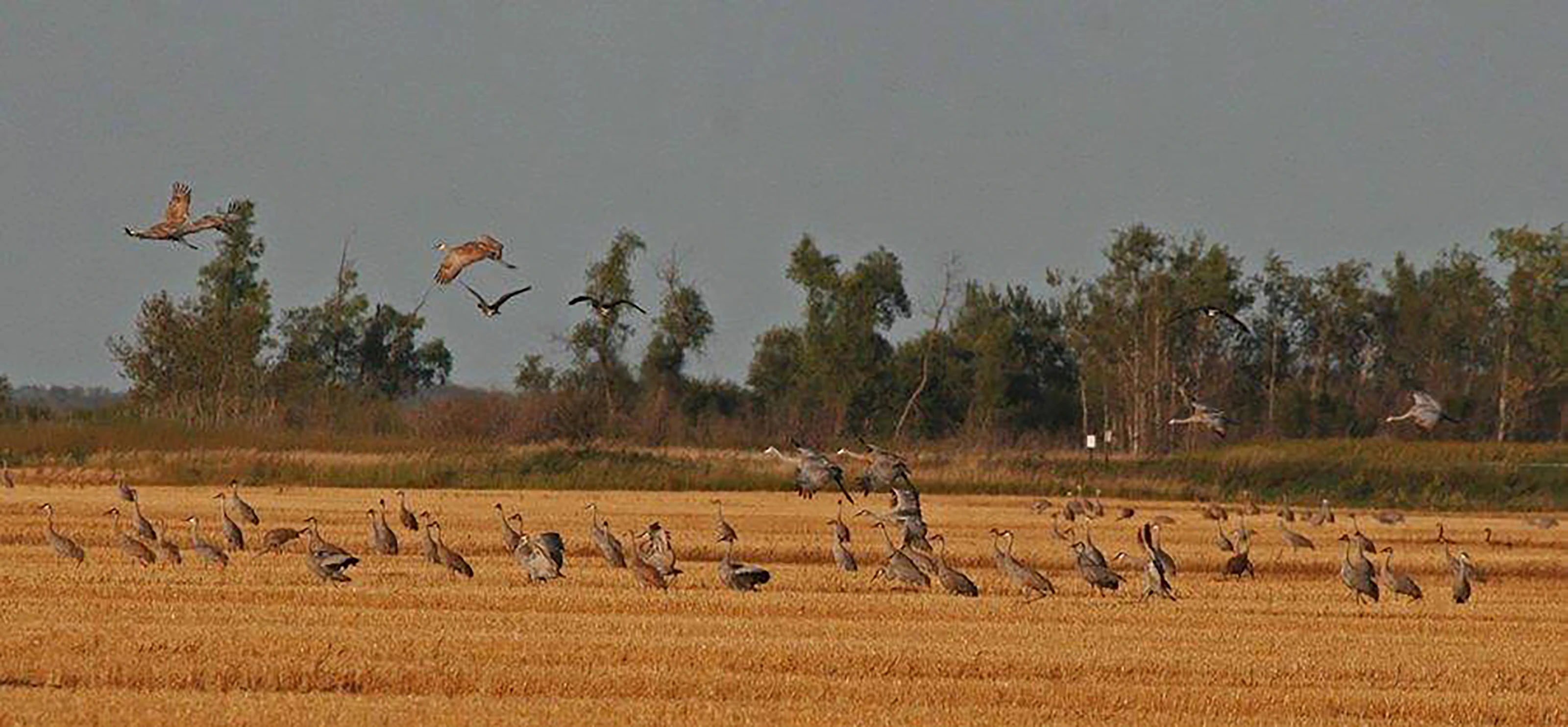
The Agassiz Wilderness lies within the 61,500-acre Agassiz National Wildlife Refuge, an important breeding and resting area for migratory birds where habitat management focuses on waterfowl, marsh, and grassland bird species. The wetland habitat sits in the aspen parkland transitional zone between the coniferous forests to the north and east and the prairie pothole region and tallgrass prairie to the west and south. "Flat" best describes Agassiz, where the terrain rarely varies more than a foot per mile. The Wilderness sinks as low as 1,140 feet above sea level, then "soars" to 1,149 feet. Black spruce and tamarack tower over the soft, spongy forest floor where clusters of pitcher plants and lady slippers bloom, and there are two natural boggy bodies of water, Kuriko and Whiskey Lakes. Temperatures range from 59F to 81F in July and -4F to 16F in January. This rich diversity of habitats supports 300 bird species, 50 mammals, 12 amphibians, and 9 reptiles. Bird watching in spring is spectacular, when ducks are in full breeding plumage, bald eagles are on their nests, and secretive marsh birds are singing from thick marsh vegetation. Year-round, wildlife lovers can hope to catch a glimpse of gray wolves, moose, black bears, or bobcats. Hunters arrive in November to pursue white-tailed deer and grouse. Access is unusually restricted. The only authorized public access is during the deer and grouse hunting seasons, and then only in daylight hours, from a half hour before sunrise to a half hour after sunset. There is no camping allowed anywhere in the Agassiz Wilderness, and campfires and horseback riding are prohibited as well. Fishing is prohibited and watercraft are not allowed on any of the lakes. Visitors who want to pitch a tent are directed to one of the two primitive state-managed campgrounds adjacent to the refuge.
Location
Reviews
No reviews yet.
U.S. Fish and Wildlife Service
- 0
- Reviews