Aleutian Islands Wilderness
Hosted by U.S. Fish and Wildlife Service
New listing
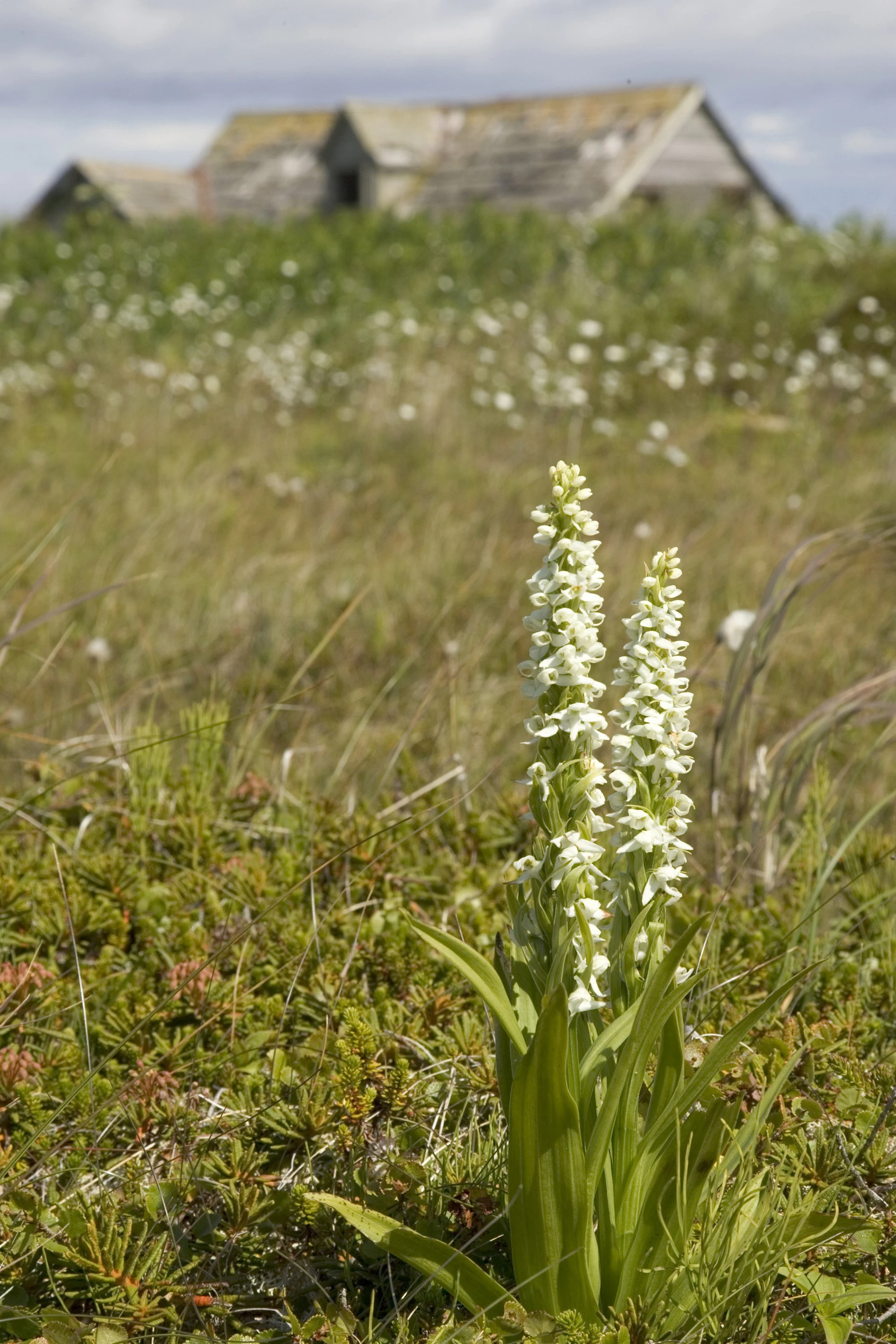
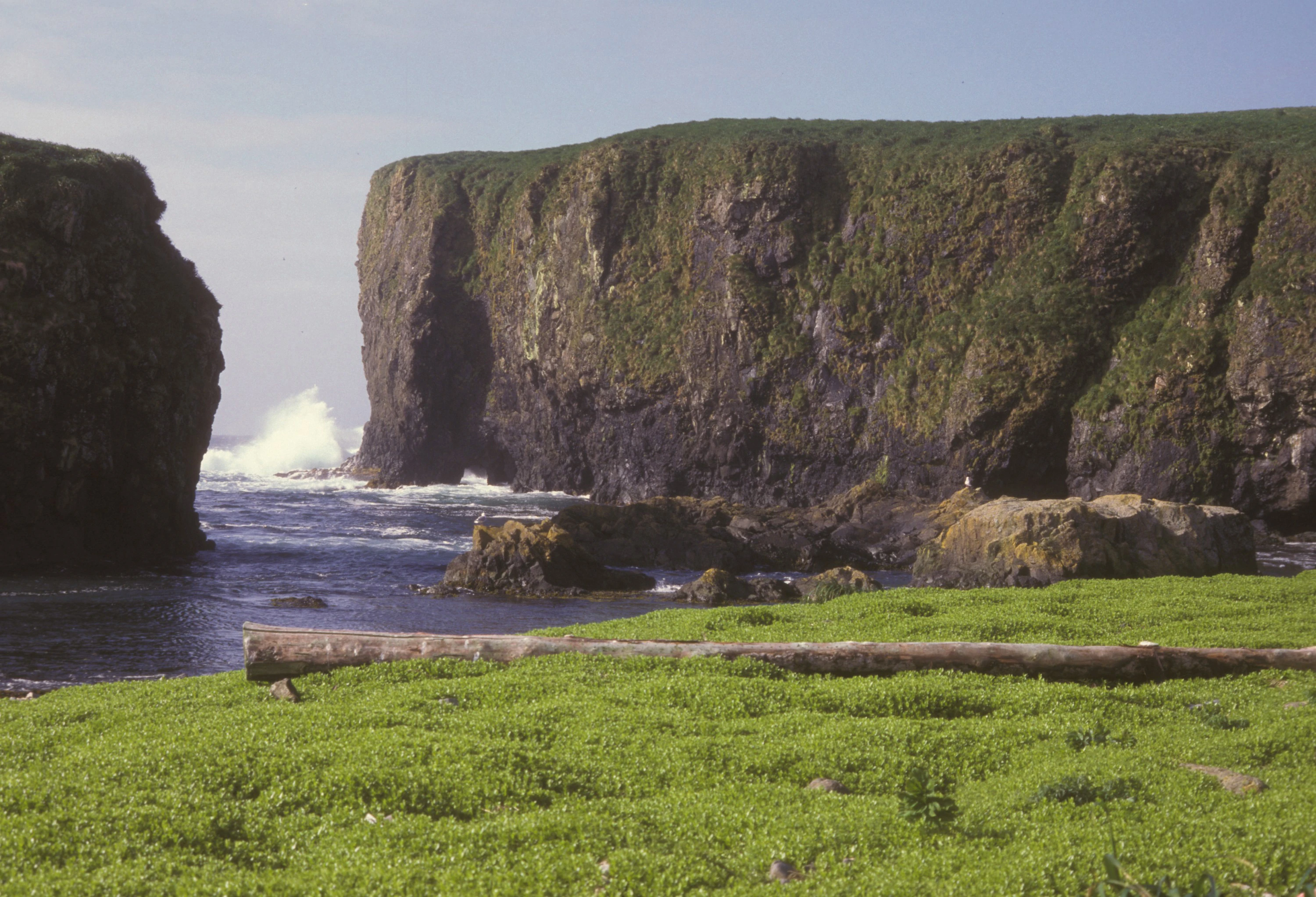
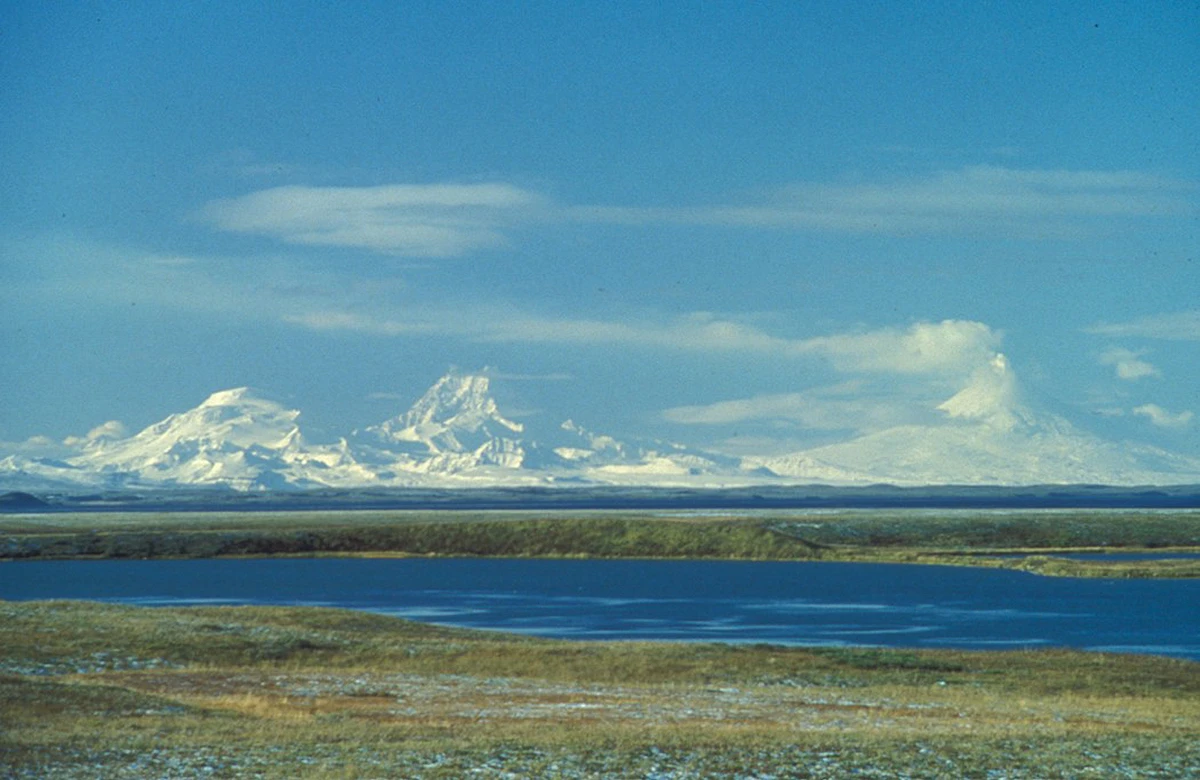
The Aleutian Islands consist of more than 200 islands, which are actually the peaks of 57 submarine volcanoes — 27 of them considered active — rising from near sea level to more than 9,000 feet. On most of these islands you'll find lush green tundra dotted with summer wildflowers and carpeted with grasses, sedges, mosses, lichens, and heath. Cool average temperatures prevent trees from establishing here. Marine mammals include the endangered Steller sea lion, threatened northern sea otter, and harbor seal; most of the land mammals, including foxes, reindeer, and caribou, were introduced by humans. The Aleutians are best known for their birds. More than 10 million nest on the islands each summer — puffins, auklets, gulls, storm petrels, cormorants, terns, kittiwakes, murres, pigeon guillemots, and murrelets among the most abundant. The largest known colony of northern fulmars in America, topping one-half million, nests on Chagulak Island, and half of the world's emperor geese spend their winters here. Nowhere else in North America can you find whooper swans, tufted ducks, Siberian ruby-throats, wood sandpipers, far eastern curlews, and black-headed gulls. The Aleut people settled these islands as early as 9,000 years ago. Living off a land poor in sunlight but rich in food, they built seacoast villages and gave Alaska its name: "the Great Land." After the Russians arrived in 1741 they were decimated first by violent attacks and enslavement, and later by disease; by 1831 fewer than 1,000 survived, and today their villages exist only on several of the islands. Japan invaded the Aleutians during World War II, and many abandoned military installations and war refuse remain among the islands, including unexploded ordnance. The Aleutian Islands Unit of the Alaska Maritime National Wildlife Refuge is divided into seven island groups, and over 57 percent of it is designated Wilderness. Many of the larger islands offer open country for backpacking. In the Aleutians you will find what may be the foggiest, rainiest, windiest weather in the United States: temperatures range from average lows of -4 F and below in winter to average highs of 55 F in summer, and storms are continuous. Sea kayaking is popular but often dangerous due to violent storms and magnificently rocky shorelines. The persistent may find visiting the islands to be the wilderness experience of a lifetime.
Location
Reviews
No reviews yet.
U.S. Fish and Wildlife Service
- 0
- Reviews