Photo unavailable
Allegheny Islands Wilderness
Hosted by U.S. Forest Service
New listing
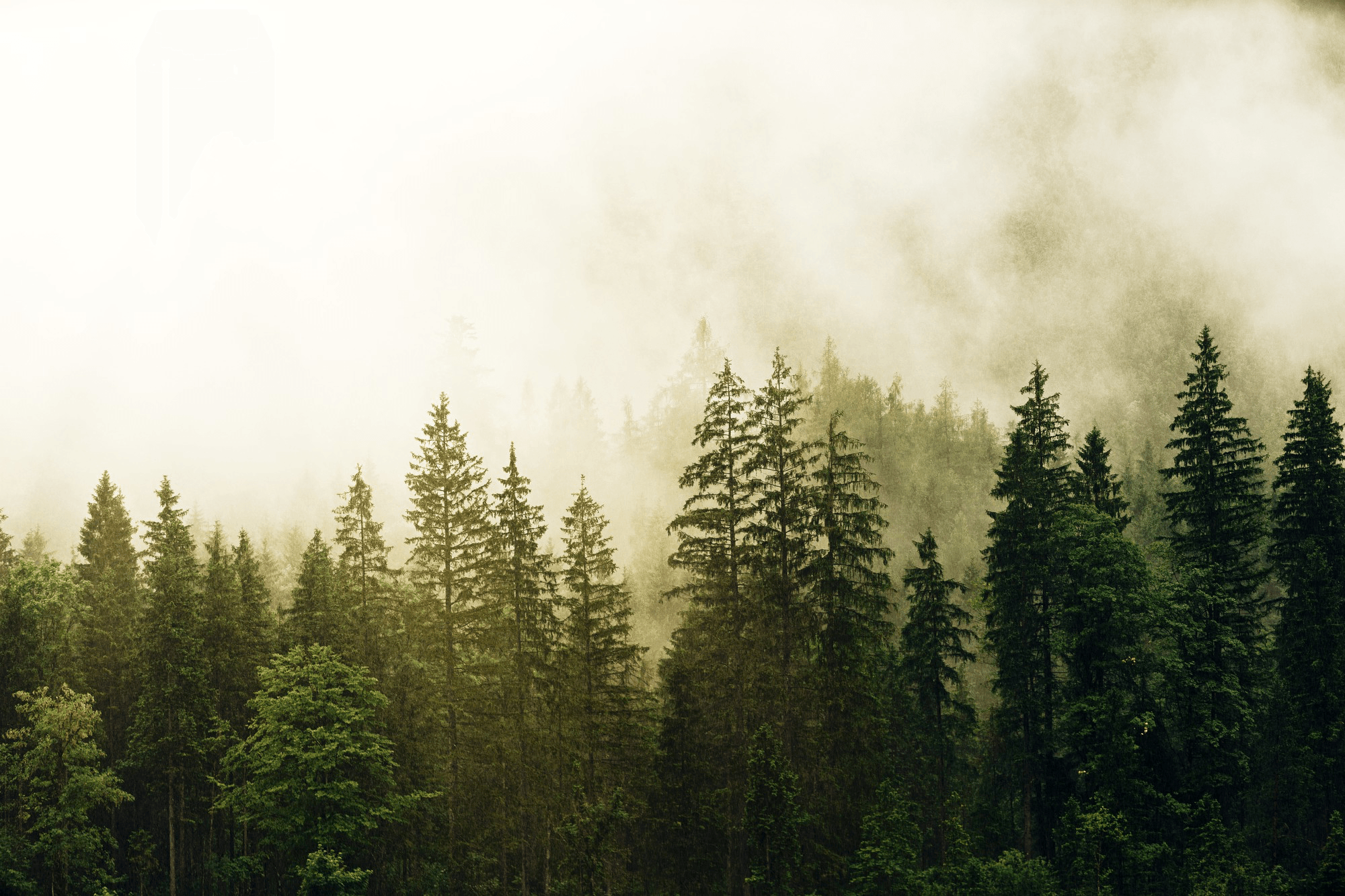
Northwestern Pennsylvania's Allegheny Islands Wilderness is, at just 372 acres, one of the country's smallest wilderness areas — and a fascinating, ecologically precious one. Established in 1984, it covers seven islands scattered along a 56-mile stretch of the Allegheny River, between the Buckaloons Recreation Area and the town of Tionesta. The islands — Crull's, Thompson's, Baker, Courson, King, R. Thompson's and No-Name — were formed by the alluvial action of the Allegheny. Built of sand, mud and clay originating in the Allegheny Mountains, they owe their size, shape and changeable character to the river's restless patterns of deposition and erosion. Crull's Island is the largest at 96 acres; No-Name, by contrast, is just 10. Major tributaries along this length of the river include Anders Run, Clark Run, Thompson Run, Tidioute Creek, East Hickory Creek and Little Hickory Run. The Wilderness preserves outstanding groves of old-growth bottomland forest, though its ecosystems sit in multiple successional states under the regular influence of flooding, storms and other disturbance. Typical hardwoods include American sycamore, silver maple, green ash, slippery elm, shagbark hickory, butternut, hawthorn and willow, and some of the trees are impressively large — Pennsylvania's current champion sycamore, a 148-foot-tall specimen, stands here. Birdlife is prolific and varied: great blue and green herons, kingfishers, turkey vultures, ospreys, bald eagles and numerous waterfowl. The waters are important habitat for the Allegheny's globally significant population of freshwater mussels. The area was historically frequented by a number of American Indian cultures, particularly the Iroquoian Seneca. During the Revolutionary War, Thompson Island was the site of a fight between allied British/Iroquois forces and American soldiers under the command of Col. Daniel Brodhead. No designated trails exist in the Wilderness, but the river-bottom woods are fairly easy to explore cross-country during early spring, before understory vegetation thickens. Canoeists and kayakers have much to explore: the portion of the Allegheny here belongs to an 87-mile "Recreational" stretch classified in the National Wild & Scenic Rivers System.
Location
Reviews
No reviews yet.
U.S. Forest Service
- 0
- Reviews