Photo unavailable
Alpine Lakes Wilderness
Hosted by U.S. Forest Service
New listing
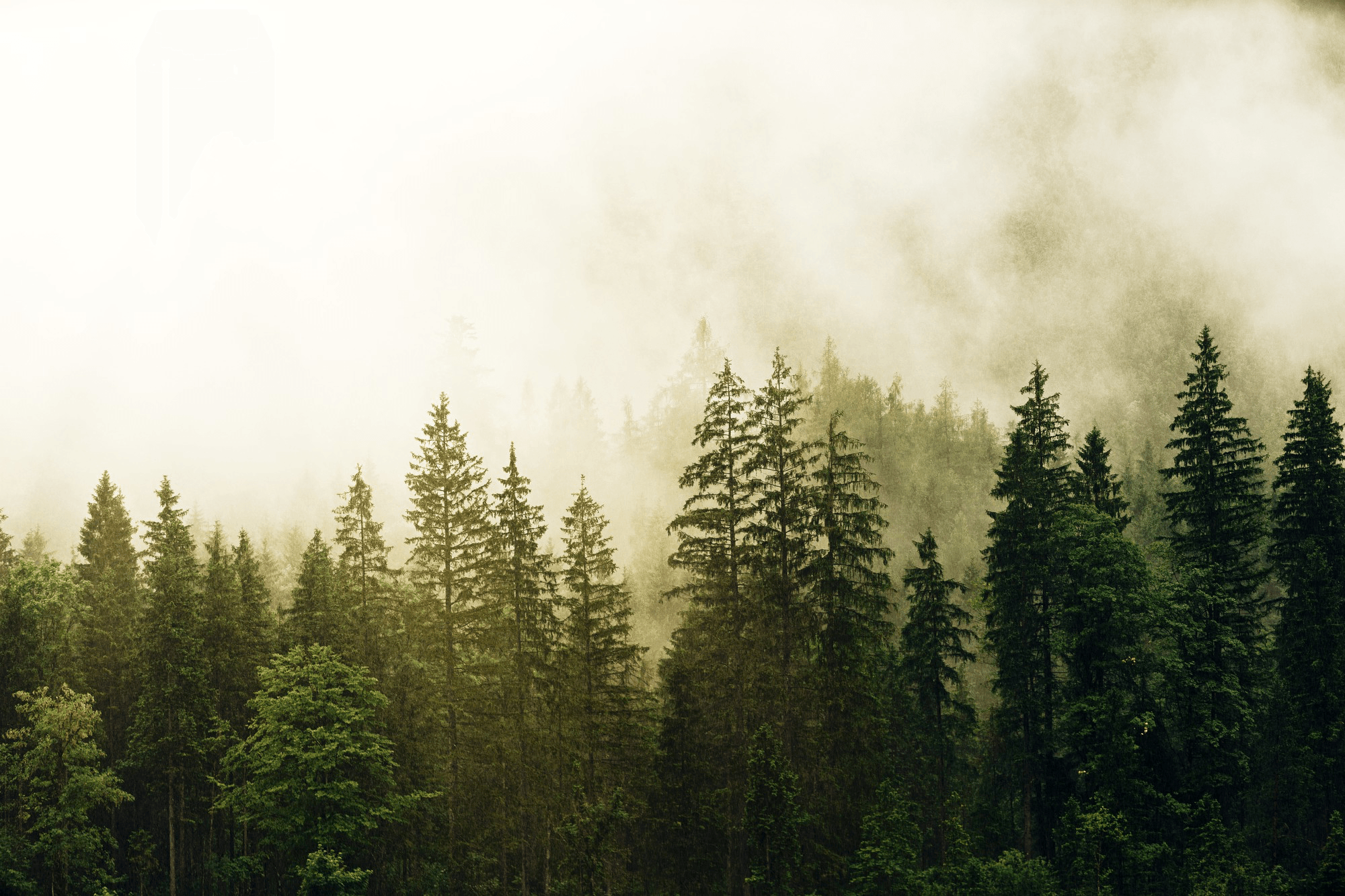
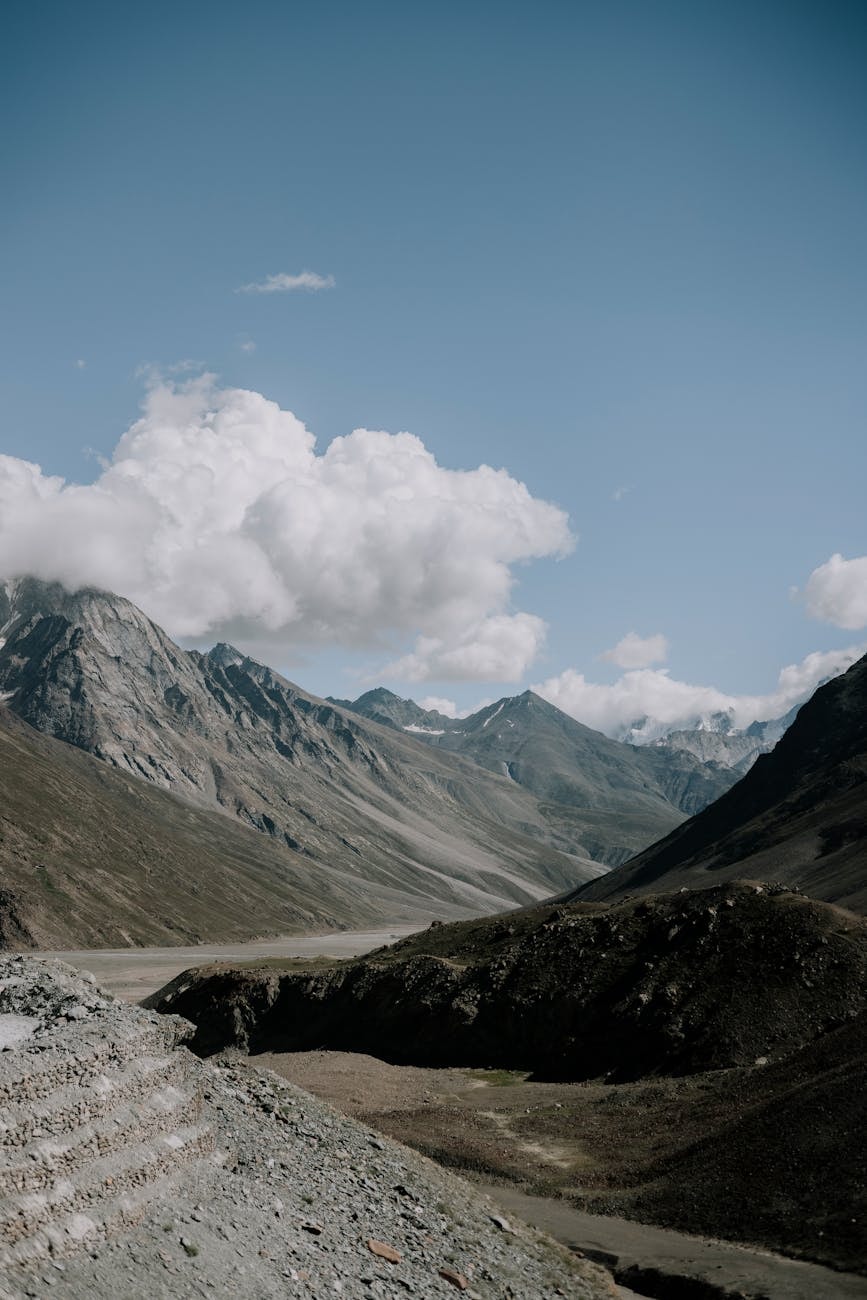
The Alpine Lakes Wilderness covers over 400,000 acres of the famously scenic Central Cascades of Washington, between Snoqualmie and Stevens Passes. It takes in the Wenatchee Mountains and the Stuart Range, a jagged batholithic crest crowned by 9,415-foot Mount Stuart and including the Enchantment Peaks, along with the Chiwaukum Mountains in the far northeast. The terrain is some of the most astonishing in the entire Cascade Range: sawtooth ridges, sharp summit spires, ice-scooped U-shaped valleys, and hundreds of glacially excavated lake basins, with small glaciers persisting in the Stuart Range and along the high crest between Chikamin Peak and Mount Daniel. Saddling the Cascade Crest, the Wilderness swings through a striking range of vegetation from west to east. The crest receives some 180 inches of rain and mostly snow a year, while lower elevations in the east may see just 10. Temperate rainforest of Douglas-fir, western hemlock and western red cedar cloaks the lower western slopes; subalpine forest of silver fir, noble fir and mountain hemlock gives way at timberline to tree islands and alpine meadows; the leeward alpine zone holds magnificent stands of alpine larch, whose golden autumn foliage flares the Enchantment Lakes Basin. Black-tailed deer and Roosevelt elk range the west side, mule deer and Rocky Mountain elk the east, mountain goats roam the high country, and more than 150 species of birds have been recorded here, from dippers and varied thrushes to bald eagles. Numerous hiking trails provide access, including 67 trail miles of the Pacific Crest National Scenic Trail, which enters at Stevens Pass and follows the crest south with a long westward bend to Snoqualmie Pass. The granite jags and spires of the Enchantment Lakes area, notably the Cashmere Crags, account for some of the finest rock climbing in the western U.S., on routes from low Class 5 to 5.11 and faces as long as 1,500 feet. The wildly irregular boundary is a legacy of past logging and mining, which punched many access roads into these mountains. Given its proximity to population centers and its much-lauded beauty, this is an exceedingly popular Wilderness, especially in its upper lake basins. To protect against overuse, backpackers must have permits to enter certain areas between May 15 and October 31, and campfires are banned above 5,000 feet.
Location
Reviews
No reviews yet.
U.S. Forest Service
- 0
- Reviews