Photo unavailable
Big Slough Wilderness
Hosted by U.S. Forest Service
New listing
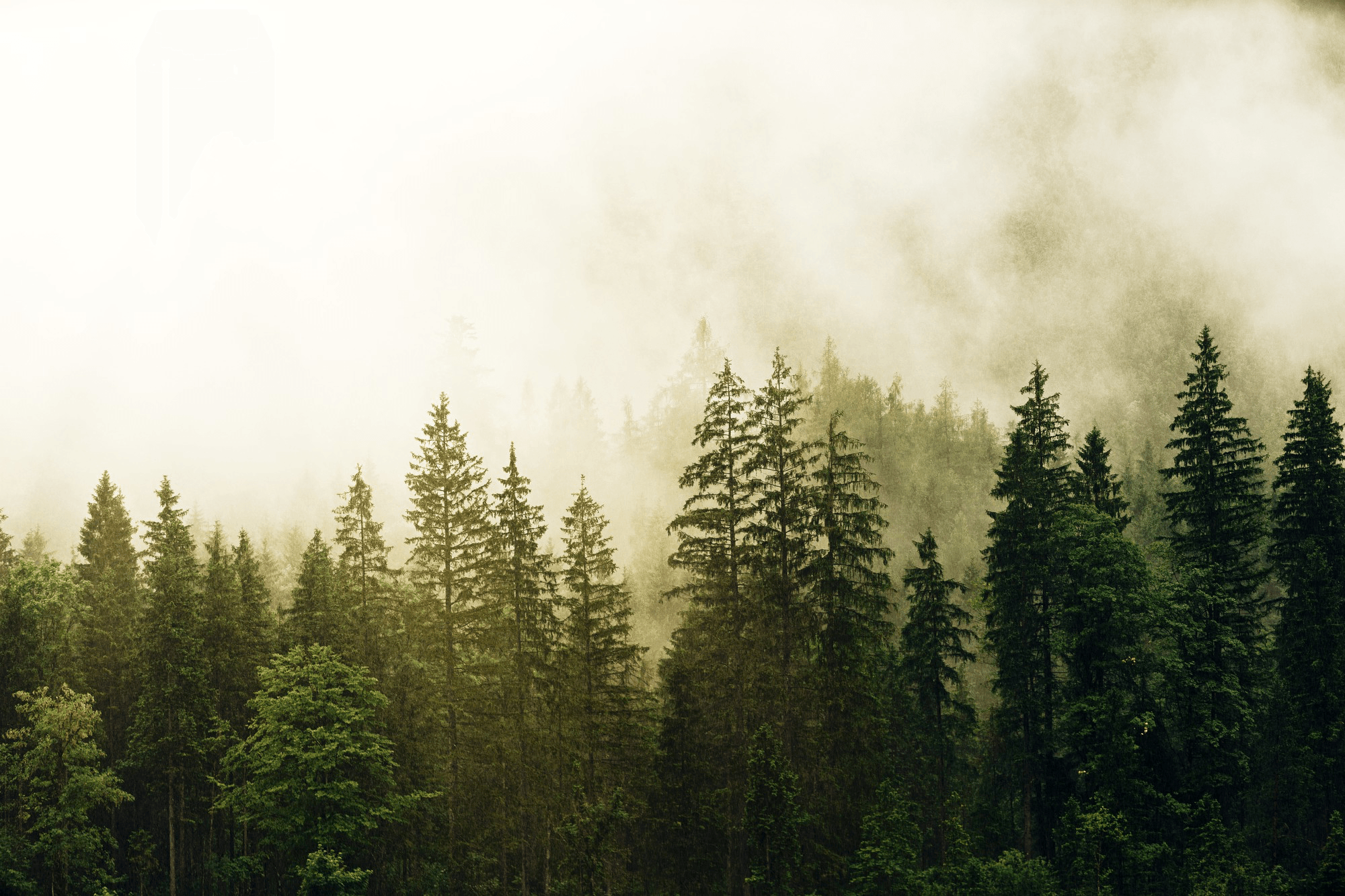
Logging operations that began in the late 1800s left only scrub hardwoods and a few isolated "islands" of young pines on the land now known as Big Slough, the smallest Wilderness in Texas. You'll still encounter large stumps and evidence of the narrow-gauge trams that supported tree-hauling railroads. You'll also see a regrown forest, 66 percent of which is composed of hardwoods (oak, hickory, sweet gum, willow) and 26 percent of shortleaf and loblolly pine; mixed hardwoods and pines cover 4 percent of the area, and Big Slough's waters the remaining 4 percent. Despite the large number of trees killed by the Southern pine beetle, some Forest Service employees rate this as one of the most interesting Wilderness areas on Texas national forestland. The Neches River forms the entire eastern boundary and joins the idle water of Big Slough. Hickory Creek drains hills along the western boundary and eases eastward to meet the river. Warmth and moisture characterize the Gulf Coastal Plain climate, encouraging poison ivy, poisonous snakes, chiggers, ticks, mosquitoes, and irritable, ground-nesting yellowjackets. Deer and smaller mammals live here too. Well-marked hiking trails crisscross the area, including the 20-mile Four C National Recreation Trail, which runs north-south and cuts through two miles of the higher southern portion. Try to wear bright outer clothing in the fall season, as hunting (for deer, wild hogs, and squirrels) is allowed. Anglers don't pose any threat, except perhaps to the catfish, bass, crappie, and sunfish.
Location
Reviews
No reviews yet.
U.S. Forest Service
- 0
- Reviews