Black Canyon Wilderness
Hosted by U.S. Forest Service
New listing
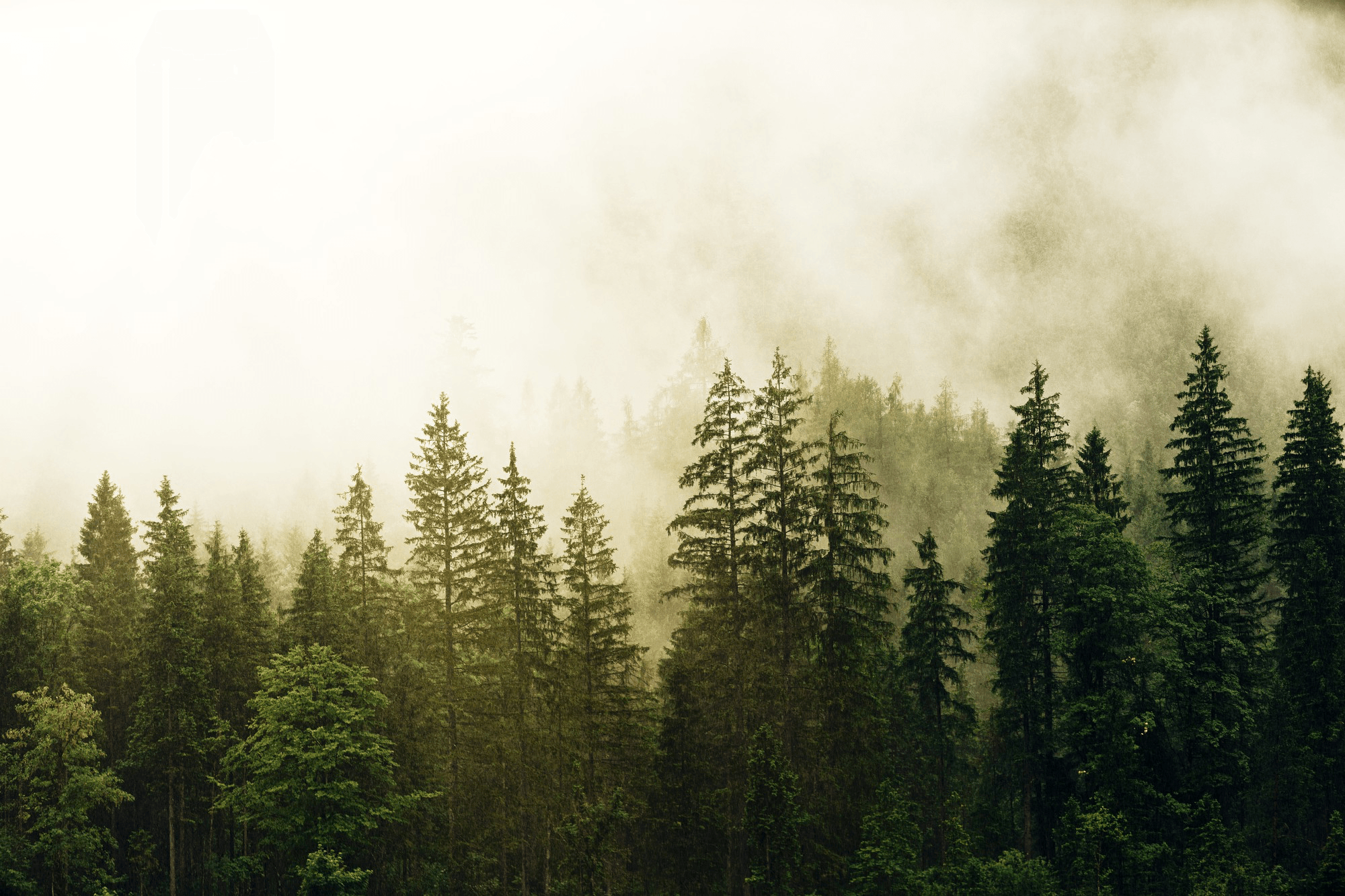
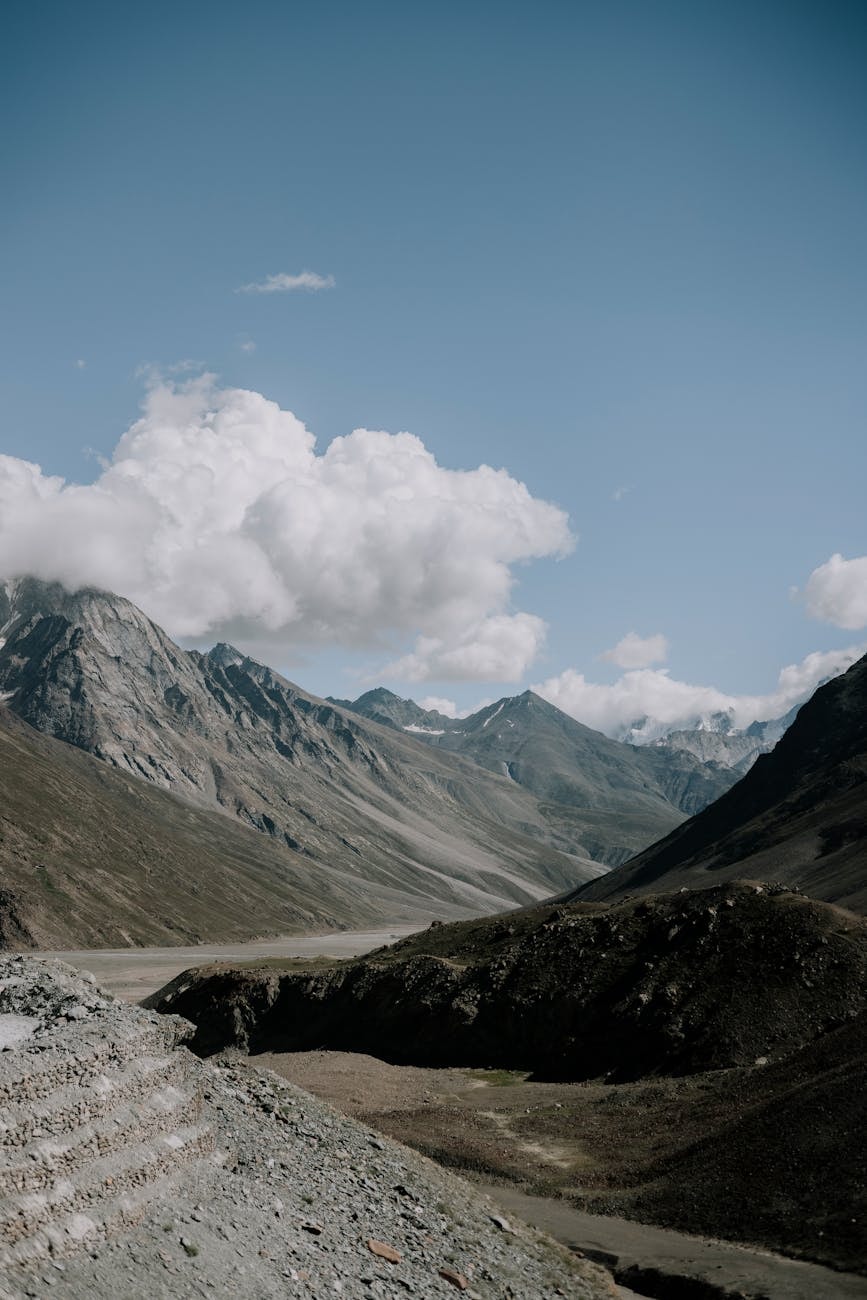
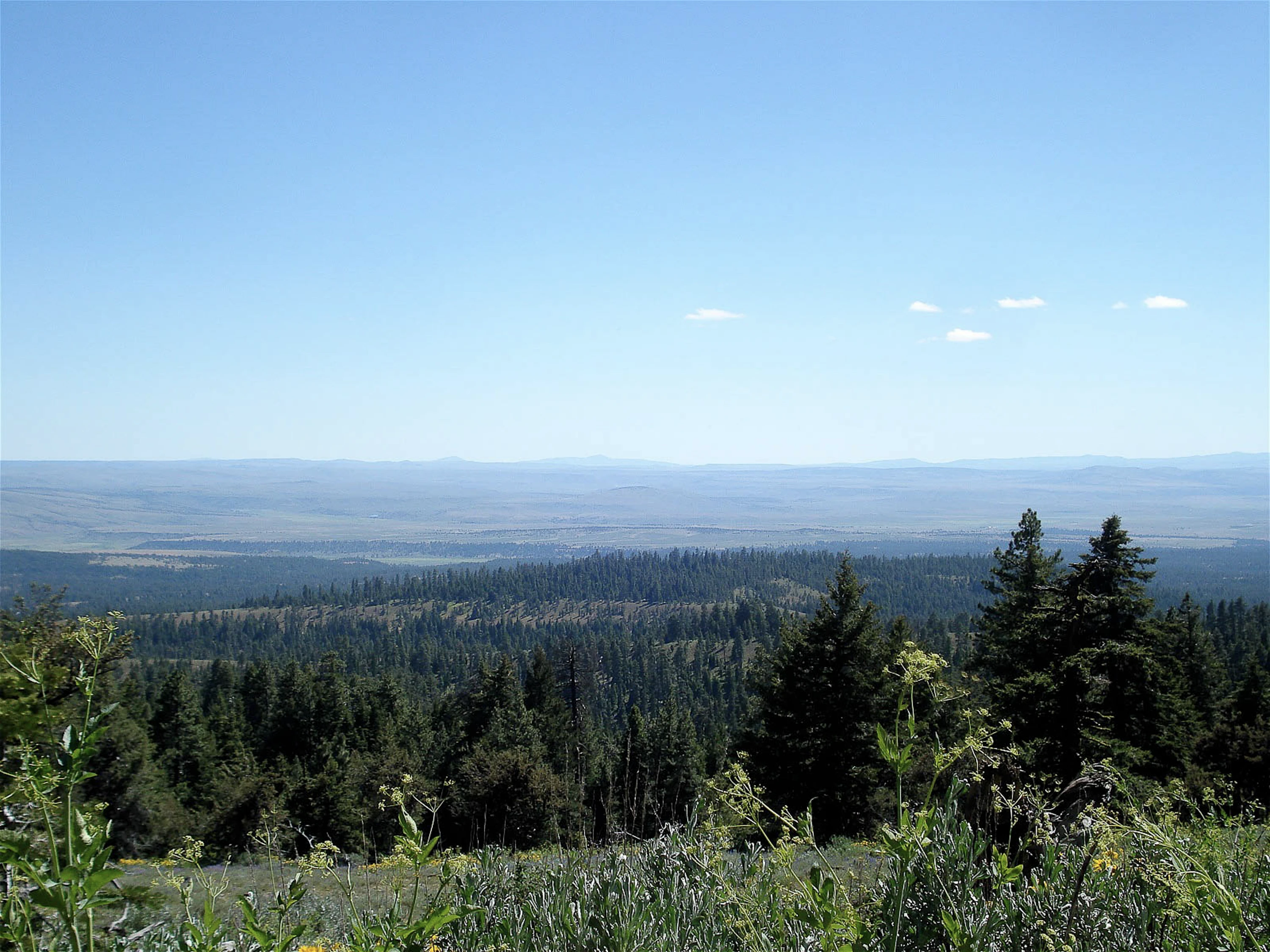
Thickets of willow and brush line the banks of Black Canyon Creek, which drops from 6,483 feet to 2,850 feet as it drains the Black Canyon Wilderness easterly into the South Fork John Day River. Cliffs line the creek's winding lower gorge. North-south ridges and steep side slopes along the waterway defer to rolling and then flat benches on the Wilderness edges. Dry sagebrush covers these exposed ridge tops as well as the lowlands, with a dense forest of mixed conifers, including park-like stands of ponderosa pine, flourishing in between. Elk and deer graze openly year-round, with black bears, coyotes, and mountain lions spotted less often. If you visit in summer, beware the danger of rattlesnakes. Snow falls by mid-November and usually melts by April, with access sometimes blocked well into May. Summer months typically tend to be hot and dry. The 12-mile Black Canyon Trail cuts through a narrow gorge, requiring hikers to cross rushing water at least a dozen times. Prepare for wet feet, and expect to find the creek unfordable at high water, usually January through March. Three short side trails join the Black Canyon Trail, and cross-country hiking on the ridges is relatively easy and dry. Opportunities for solitude are splendid, with approximately 18 miles of trails, and a large piece of undesignated wildland lies to the north. There have been two large wildfire incidents in the last decade, encompassing most of the Wilderness. Both fires were of high intensity and primarily stand replacement in character. This has contributed to many downed trees, and with little trail maintenance resources, visitors should expect to encounter many downed trees and brush covering segments of trail. Group size is limited to 12 people and 12 head of stock.
Location
Reviews
No reviews yet.
U.S. Forest Service
- 0
- Reviews