Photo unavailable
Blackridge Wilderness
Hosted by Bureau of Land Management
New listing
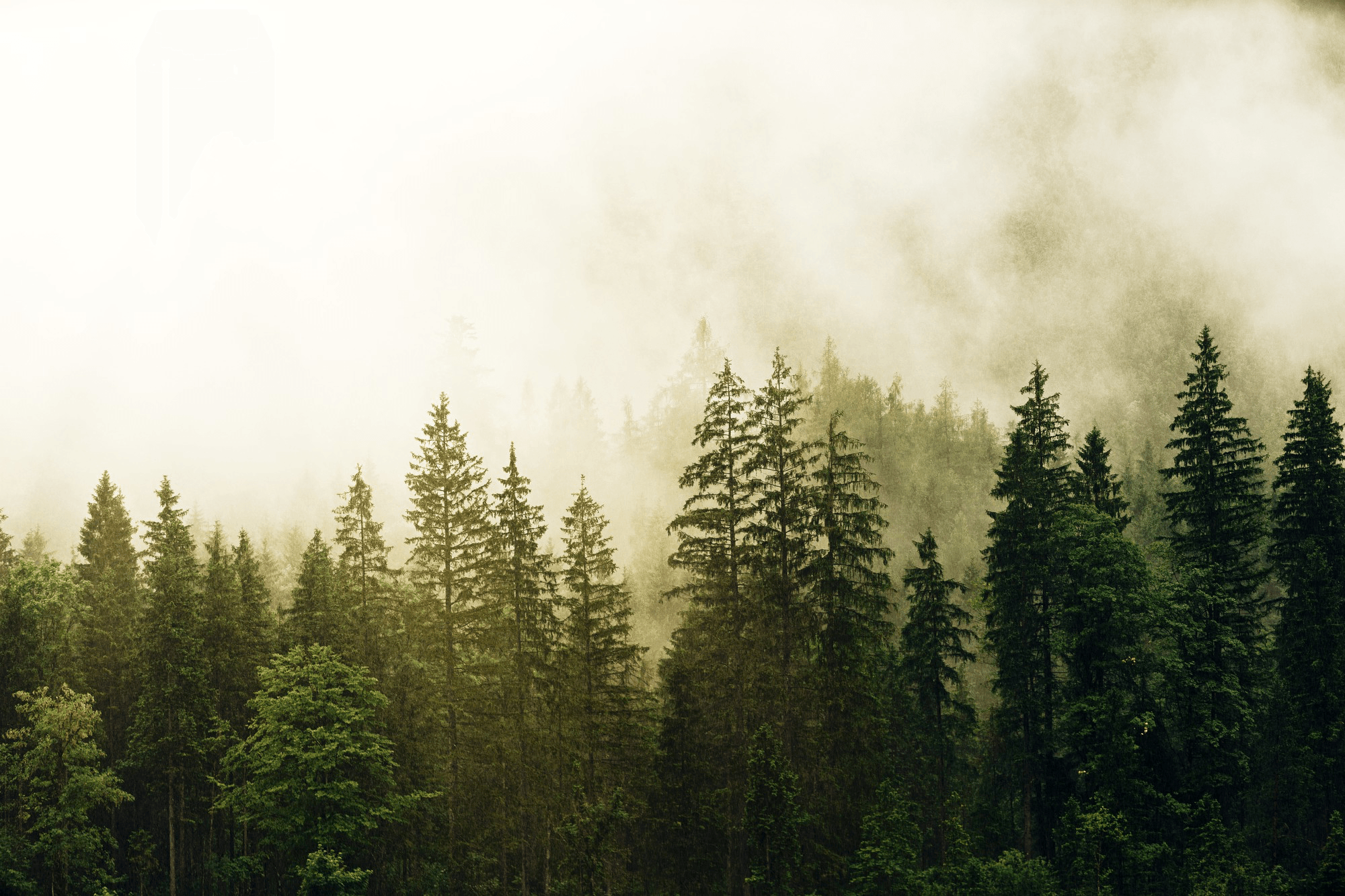
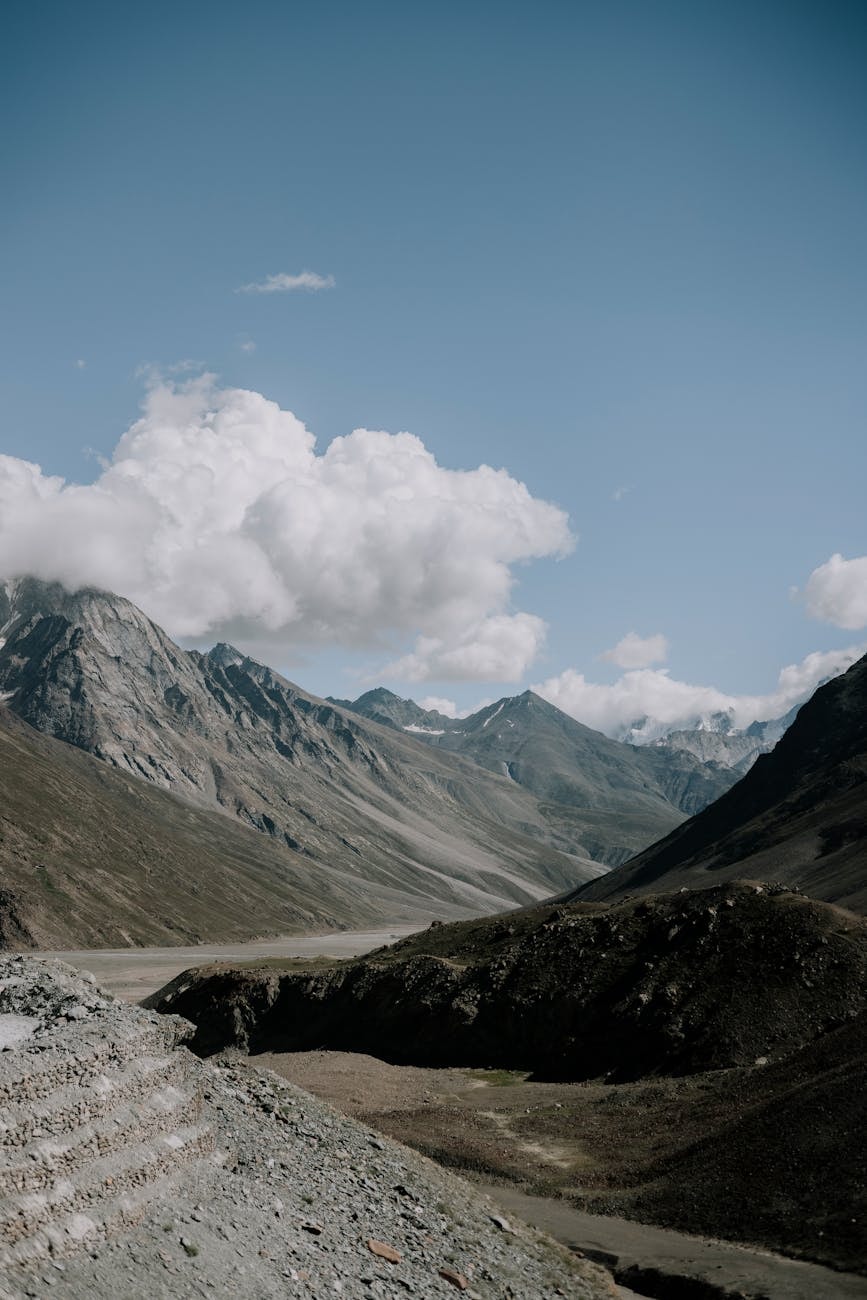
Blackridge Wilderness is a logical extension of the Zion Wilderness, along with the Red Butte, LaVerkin Creek, Taylor Creek, and Beartrap Canyon Wildernesses, and is the largest of the six extensions. It is part of the integrated watershed, wildlife habitat, and scenic terrain of Zion National Park, and is among the most pristine, spectacular, and ecologically significant BLM-administered wild land in Utah. The area is composed of rugged sedimentary cliffs formed among the Grand Staircase plateaus. Its canyons have cut up to 1,000-foot-deep sheer walls of red Navajo Sandstone capped by the Carmel Formation. Black Ridge, formed by the Hurricane Fault, is a major geologic feature and provides outstanding views into Zion National Park, over into Canaan Mountain, and west to the Pine Valley Mountains. Elevations range from approximately 3,650 to 6,550 feet. The upper elevations and north- and east-facing slopes are populated with ponderosa pine, Douglas fir, white fir, aspen, and Rocky Mountain juniper. The middle elevations are predominantly shrub woodlands supporting oak, pygmy pinyon-juniper, yucca, serviceberry, littleleaf mountain mahogany, and princess plume. Below 4,500 feet is the American Desert zone with blackbrush, salt bush, and creosote bush. Riparian habitat occurs along streambeds, and hanging gardens grow in seeps and drips on canyon walls, where maidenhair fern, pink-flowered shooting star, and scarlet monkeyflower take hold. Mountain lions prey on the deer throughout the area and in places are relatively numerous. Seven species of raptor inhabit the area and often nest in the steep cliff walls: bald eagle, peregrine falcon, golden eagle, prairie falcon, American kestrel, red-tailed hawk, and Cooper's hawk. Hiking and backpacking are outstanding here, though there are no maintained trails. Summer temperatures often exceed 100 degrees F, with temperatures in excess of 90 at higher elevations and day and night temperatures differing by over 30 degrees. Winters are cold and often wet, with highs of 50 to 60 degrees during the day and well below freezing at night. The Wilderness receives 14 to 18 inches of precipitation each year.
Location
Reviews
No reviews yet.
Bureau of Land Management
- 0
- Reviews