Photo unavailable
Cabeza Prieta Wilderness
Hosted by U.S. Fish and Wildlife Service
New listing
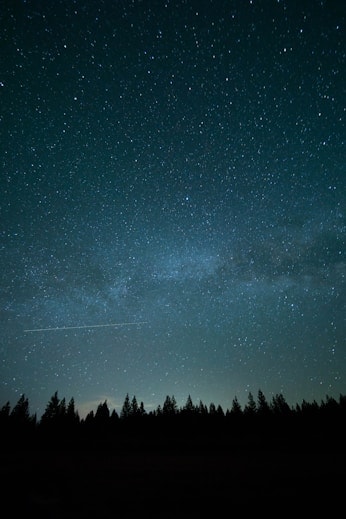
Cabeza Prieta Wilderness has the distinction of being Arizona's largest Wilderness Area, encompassing nearly 93 percent of the Cabeza Prieta National Wildlife Refuge. It spans isolated and rugged Sonoran desert landscapes — both the Arizona Uplands and Lower Colorado components — ranging from 700 to 2,800 feet, where rugged mountains and broad desert valleys dotted with sand dunes and lava flows dominate the region. Bordered by Organ Pipe Cactus National Monument to the south and east and the Barry M. Goldwater Range to the west and north, the area offers brilliant night skies, unmatched desert scenery, and a deafening desert silence. This is a land of solitude, shattered only by the occasional summer monsoon or military overflight. To ensure you are aware of the dangers of unexploded military ordnance, a permit and your signature on a hold-harmless agreement are required to enter the Wilderness; the agreement can be signed at the refuge visitor center. Management emphasizes preservation of the Sonoran Desert ecosystem and an at-risk desert bighorn sheep population, and more recently the endangered Sonoran pronghorn, whose numbers in the U.S. crashed to approximately 20 individuals in 2002 but have since increased to well over 200 thanks to an active captive breeding program. Walk carefully among the cryptogamic soils and watch for desert bighorn sheep, Sonoran pronghorn, mule deer, rabbits, kangaroo rats, pocket gophers, and cactus wrens living among the chollas, creosote bushes, mesquite, ocotillo, and the occasional elephant tree. Hot, dry conditions suit the saguaro forest and many reptiles, including six species of rattlesnake. Across the southern half of the refuge runs an active four-wheel-drive trail (a non-wilderness corridor) and the remains of El Camino del Diablo, the Devil's Highway, a trail first blazed in 1540 that once connected Sonora, Mexico to California and now provides access to the Wilderness. Hikers will find no maintained trails, and water is scarce everywhere out here — as little as 3 inches of annual precipitation on the west side — so you must bring your own, at least 1 to 1 1/2 gallons per person per day on cool days of 100 degrees or lower. The greatest obstacles to your safety include possible encounters with old mine shafts, unexploded military ordnance, illegal border activity, and a rugged, unforgiving landscape where summer temperatures routinely range above 105 degrees F during the day and remain above 90 at night between May and October. Cabeza Prieta shares 56 miles of border with Mexico, the U.S. Customs and Border Patrol actively patrol the area, and visitors should take all necessary safety precautions. The best time to visit is winter, especially following a wet year by desert standards when the desert wildflowers are in bloom; carry extra clothing for cold nights, dress in layers, and be prepared for temperatures which may drop into the 30s.
Location
Reviews
No reviews yet.
U.S. Fish and Wildlife Service
- 0
- Reviews