Photo unavailable
Cabinet Mountains Wilderness
Hosted by U.S. Forest Service
New listing
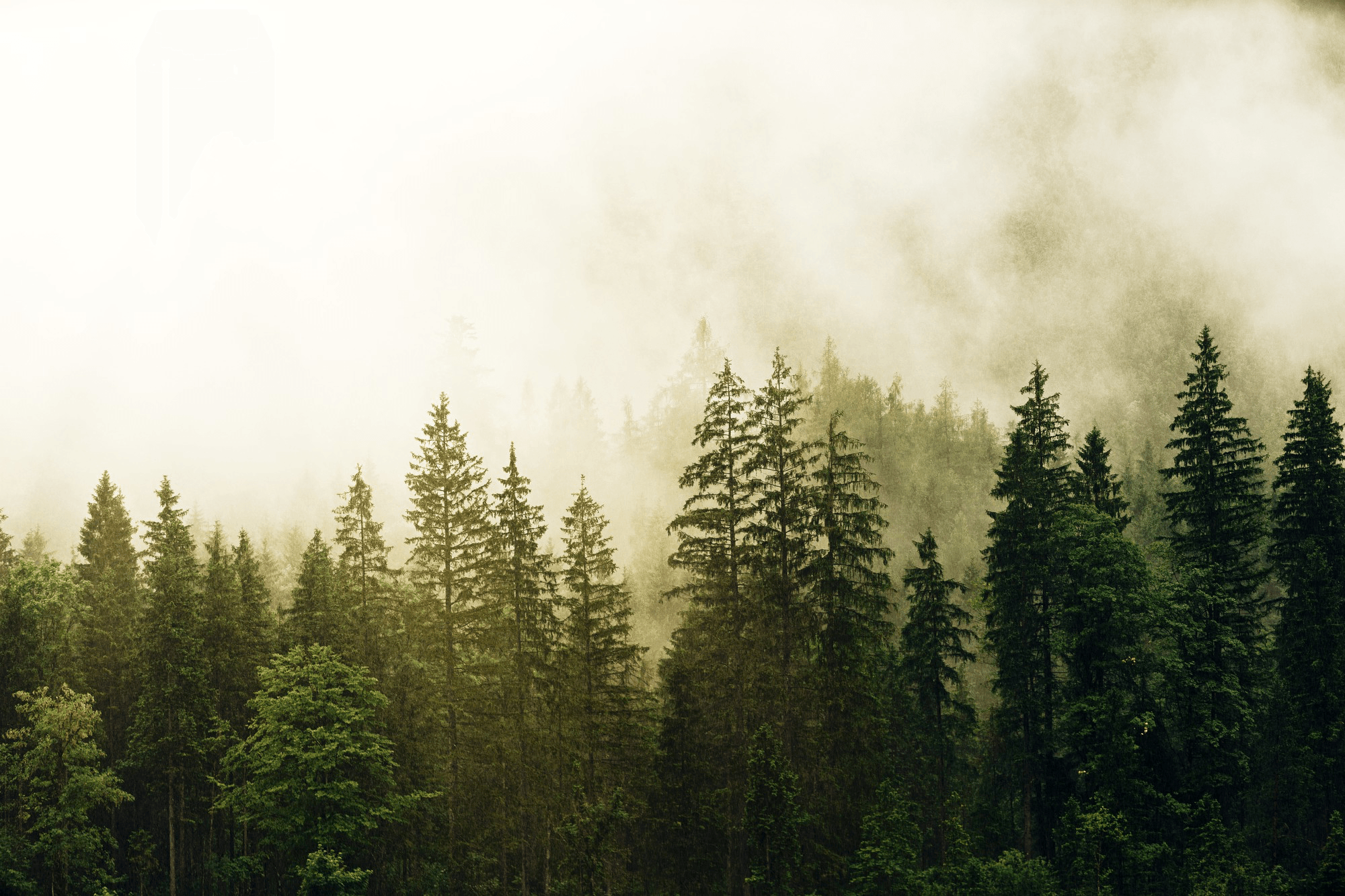
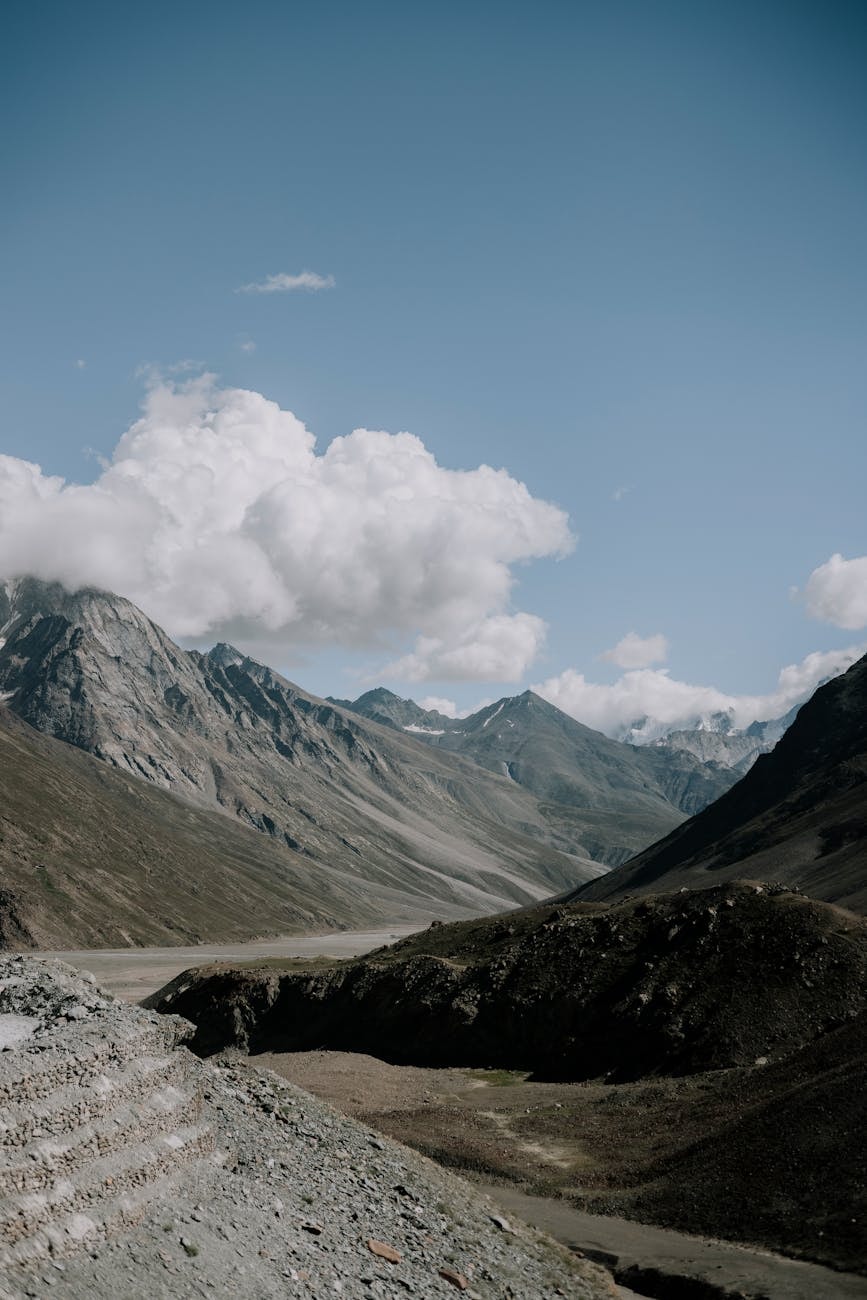
The Cabinet Mountains Wilderness is a 35-mile-long range of glaciated peaks and valleys trending north and south, framed by the Kootenai River on the north, the Clark Fork River on the south, Highway 2 on the east, and the Bull River and Highway 56 on the west. Elevations range from a low of 2,880 feet to 8,738 feet atop Snowshoe Peak. Designated a Primitive Area in 1935, the area then became part of the National Wilderness Preservation System under the 1964 act, which defines wilderness as "an area where the earth and its community of life are untrammeled by man, where man himself is a visitor who does not remain." The Cabinets obtained their name from early French explorers who noted that rock formations along the Clark Fork river looked like boxes or cabinets; most of those formations are now under the Cabinet Gorge Reservoir, though some are still visible. Variety best describes the Cabinet Mountains, ranging from high, rocky peaks often snowcapped year-round to groves of huge cedars in the canopied valleys. Hidden in the peaks and ridges are scores of deep blue lakes feeding clear, cold streams that tumble to moose country below. The remnant of one alpine glacier still exists — Blackwell Glacier, on the north slope of Snowshoe Peak — and other permanent snow fields can be found near Little Ibex Lake and Elephant Peak, with patches of snow sheltered by mountainous ramparts often lasting through summer in the high country. The Kootenai Indians used the area to hunt big game; the mountain goat was prized for its pelt and was a rich food source, and many plants adapted only to high altitudes were gathered for food and medicines. Euro-American use began in the 1880s, most extensively as mining: mineralization was discovered in the southeast part of the Wilderness along what became known as the Snowshoe Fault, and mining at some scale has occurred there sporadically since the early 1900s. Clean and pure are the simplest and most accurate ways to describe the water that comes out of the Wilderness — past studies rated it among the top 5% purest water in the lower 48 states. Bringing your own water or using a water purifier is still recommended. Managed by the U.S. Forest Service.
Location
Reviews
No reviews yet.
U.S. Forest Service
- 0
- Reviews