Photo unavailable
Castle Crags Wilderness
Hosted by U.S. Forest Service
New listing
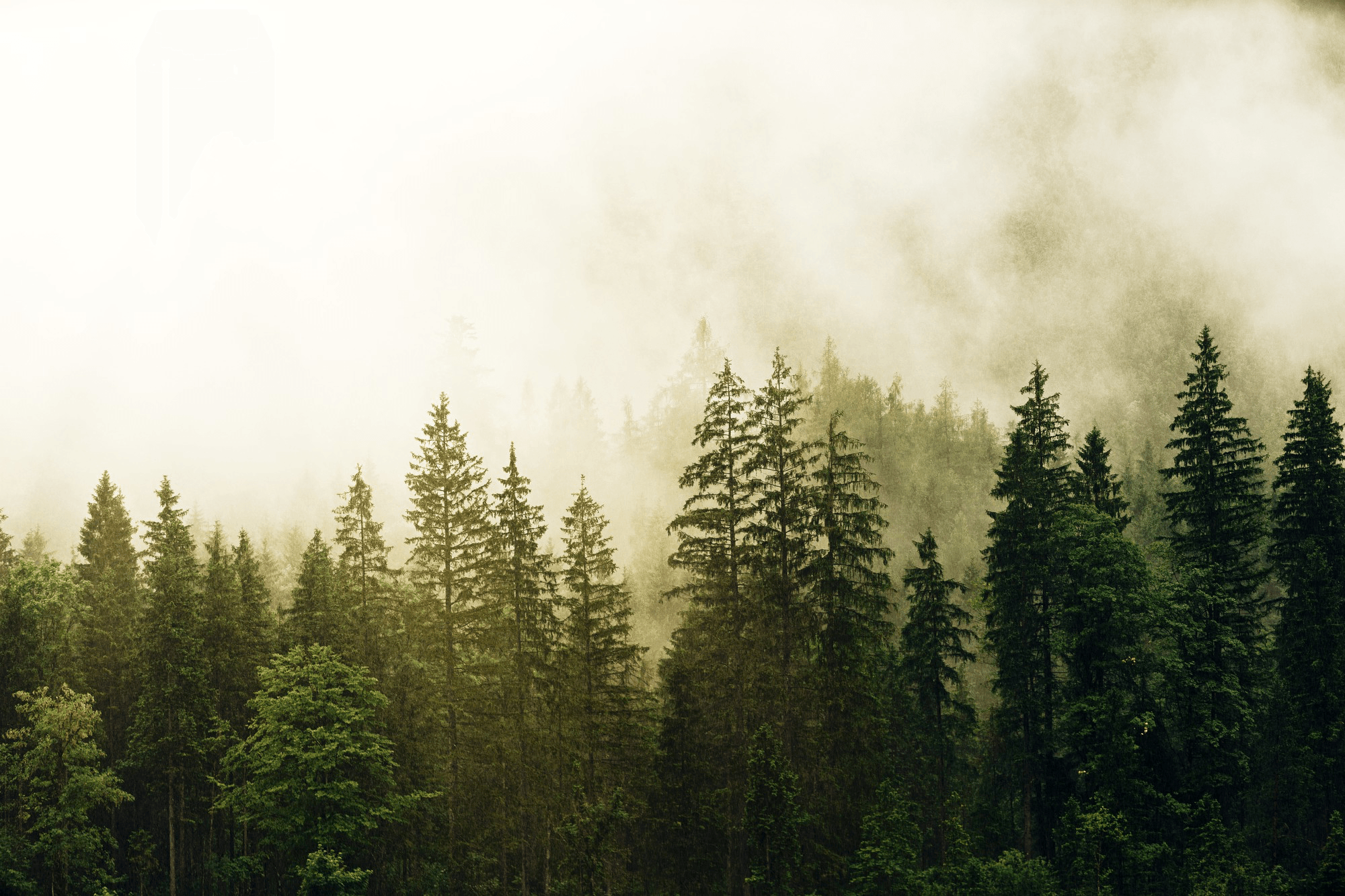
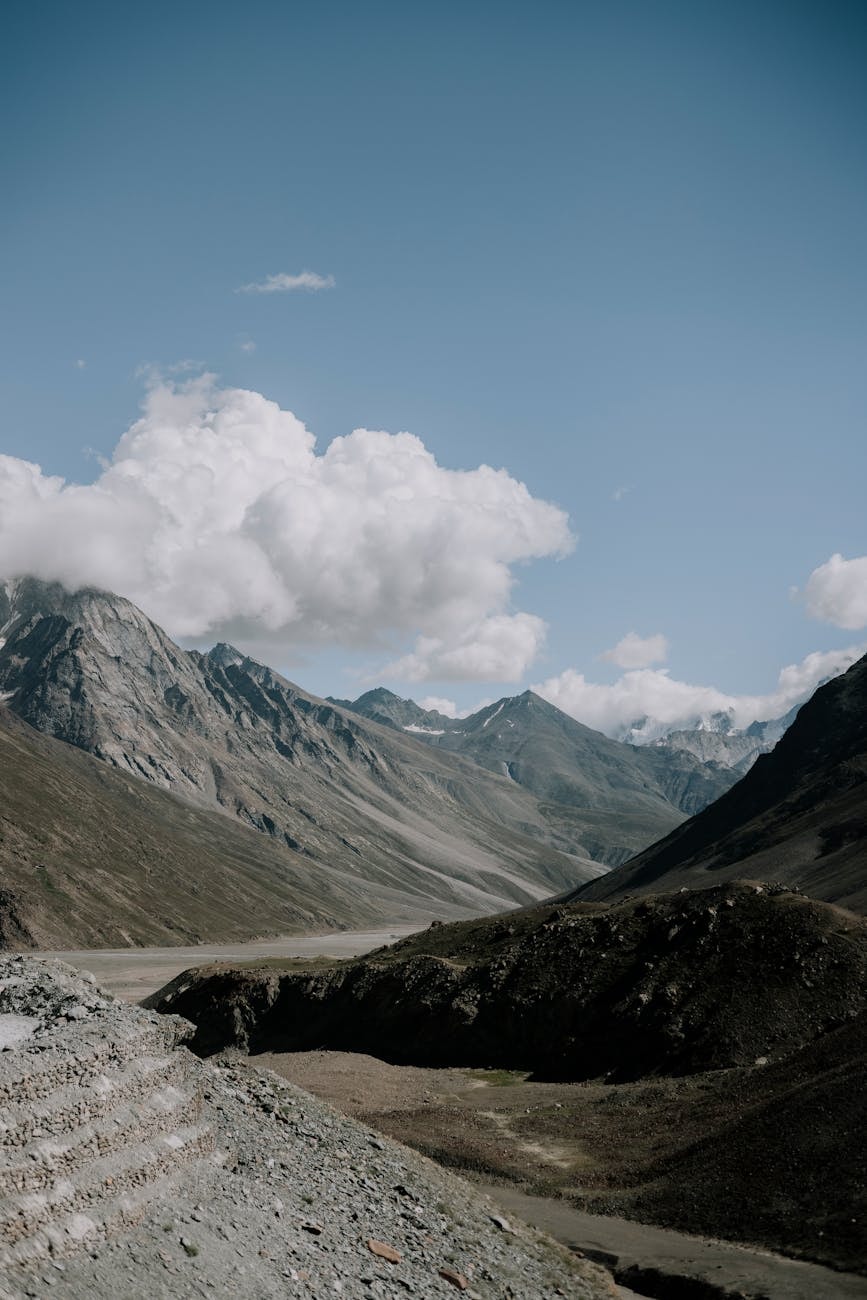
Sheer granite cliffs, towering spires reaching up to 7,200 feet, and steep canyons hide five small alpine lakes in Castle Crags Wilderness. Native people held these rock formations in awe, rarely, if ever, venturing into the heights, and fought the white miners who attempted to do so; the 1855 Battle of Castle Crags initiated the Modoc War. Below these rocky outcroppings — granitic intrusions from the Jurassic Period — most of the area is covered with fields of brush and a few wet meadows in the heads of several creeks. Mixed conifers (pine, fir, spruce, cedar) grow on the east, west, and north slopes. You will commonly encounter poison oak at lower elevations, where live oaks dominate the landscape. More than 300 species of wildflowers have been identified in the Wilderness, including the Castle Crags Harebell, which blooms nowhere else on earth. Rattlesnakes, black bears, deer, and squirrels abound, as do ticks. The Wilderness shares its southern border with Castle Crags State Park. You'll find 27.8 miles of maintained trails starting from nine trailheads. The Pacific Crest Trail rambles for 19 miles through the area and offers many splendid views of the Crags. No trails lead to the spires themselves, and although they look inviting to climbers, the granite is crumbly and unsafe. Human use of the area is light.
Location
Reviews
No reviews yet.
U.S. Forest Service
- 0
- Reviews