Photo unavailable
Cecil D. Andrus-White Clouds Wilderness
Hosted by Bureau of Land Management
New listing
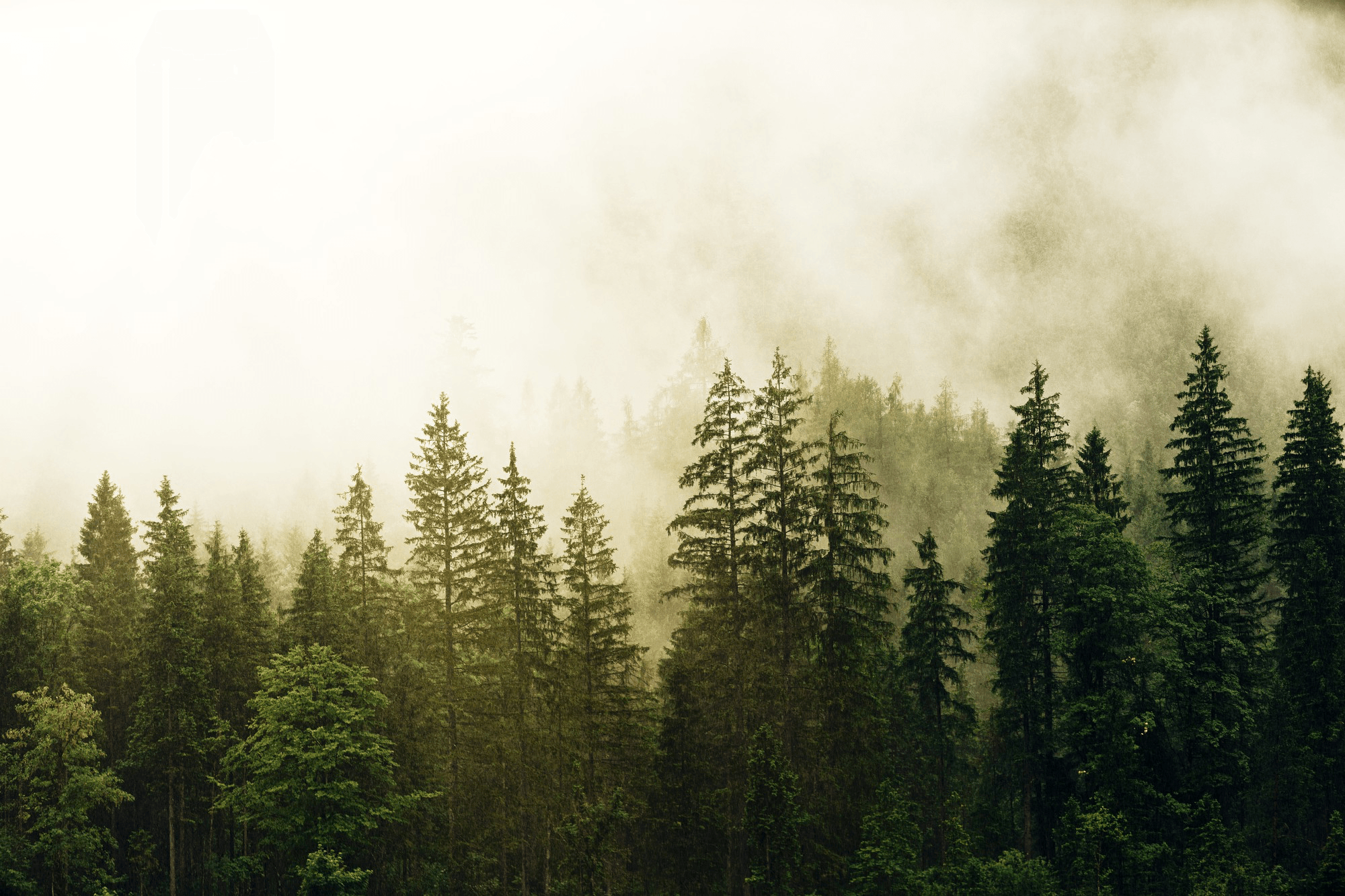
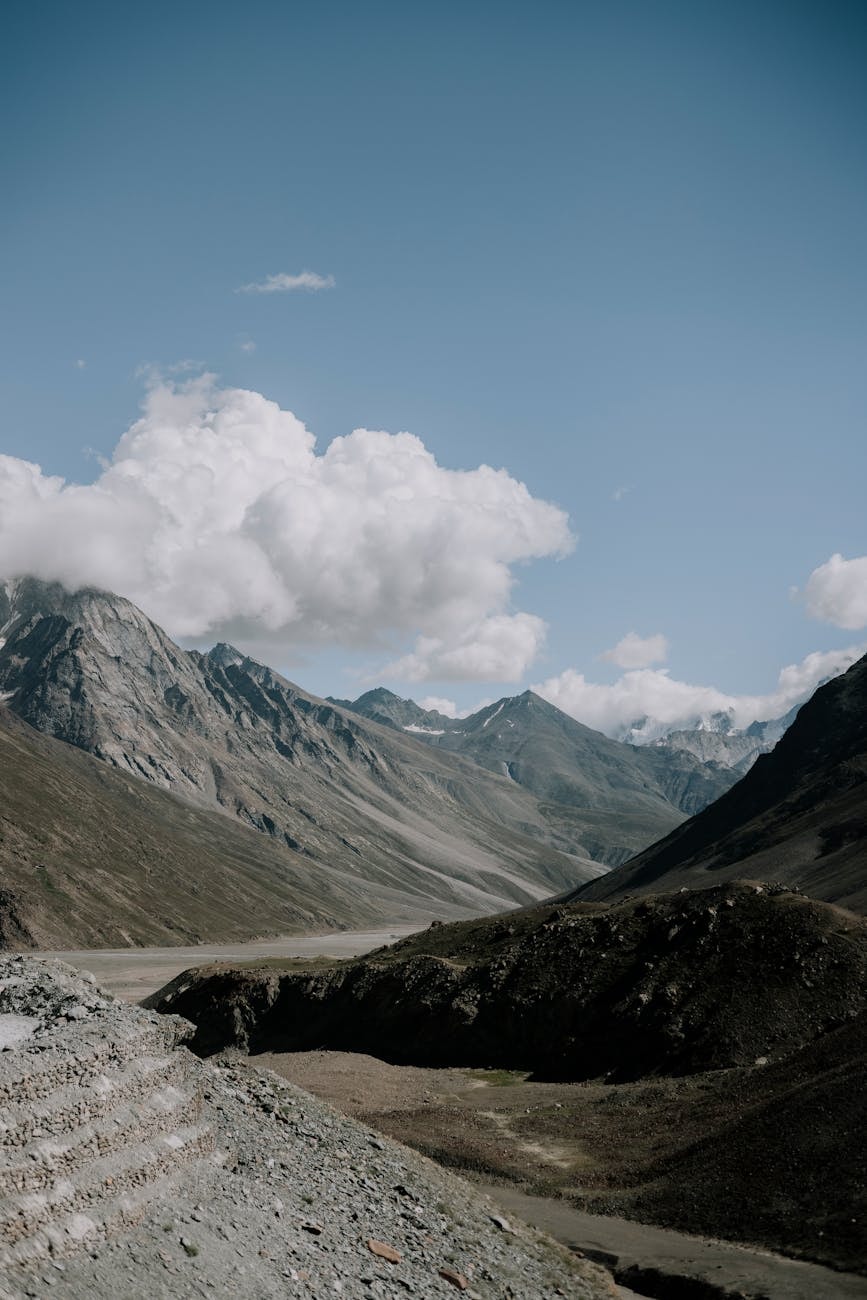
Named by early settlers for soaring white peaks that rise to join the clouds, these mountains are hidden treasures in a land of wild places. To the west stretches the Sawtooth Valley, where the jagged peaks of the Sawtooth Wilderness form the skyline; across the Salmon River to the north lies the iconic Frank Church-River of No Return Wilderness and the Middle Fork of the Salmon River. Here you'll find quiet solitude surrounded by magical scenery, abundant wildlife, and whitebark pines, some of the oldest trees on earth. A variety of rock types make up these mountains, with many of the namesake peaks composed of a kind of metamorphosed limestone. The alabaster pyramid of D.O. Lee Peak is one of the most distinguishable summits within the White Clouds. Also common is granite from the Idaho Batholith, along with Challis volcanics found at lower elevations in the eastern and southern portions of the range. The result is dazzling mountains whose color appears to change with the weather and time of day. Dominating the multi-hued peaks, the tallest mountain in the White Clouds — and in the entire Sawtooth National Recreation Area — is Castle Peak, an Idaho icon at 11,815 feet, whose massive summit towers hundreds of feet above all other peaks in the area. It was here that a proposed open-pit molybdenum mine set off one of Idaho's fiercest conservation battles, leading to the designation of the Sawtooth National Recreation Area. Hidden among these peaks and surrounded by wildflower meadows lie many of the highest-elevation lakes in Idaho. Numerous lakes are accessible by the 57 miles of trail that crisscross the Wilderness, while other alpine gems challenge visitors with off-trail navigation skills. The clear, cold waters originating from these pristine watersheds feed the Salmon River, comprising the highest-altitude spawning grounds for salmon and steelhead in the continental U.S. and crucial habitat for bull trout and other species. The Wilderness contains delicately balanced habitat for bighorn sheep, mountain goats, moose, elk, mule deer, black bear, pronghorn, gray wolves, mountain lions, and elusive wolverines, and because of that diversity and its wild character it is a treasured destination for hunters, fishermen, and wildlife watchers as well as for horseback riders, hikers, campers, and skiers. The area has been an important part of the West's pioneer and Native American history. The entire Wilderness was renamed in 2018 to recognize former Idaho governor and Secretary of the Interior Cecil D. Andrus.
Location
Reviews
No reviews yet.
Bureau of Land Management
- 0
- Reviews