Photo unavailable
Gates of the Arctic Wilderness
Hosted by National Park Service
New listing
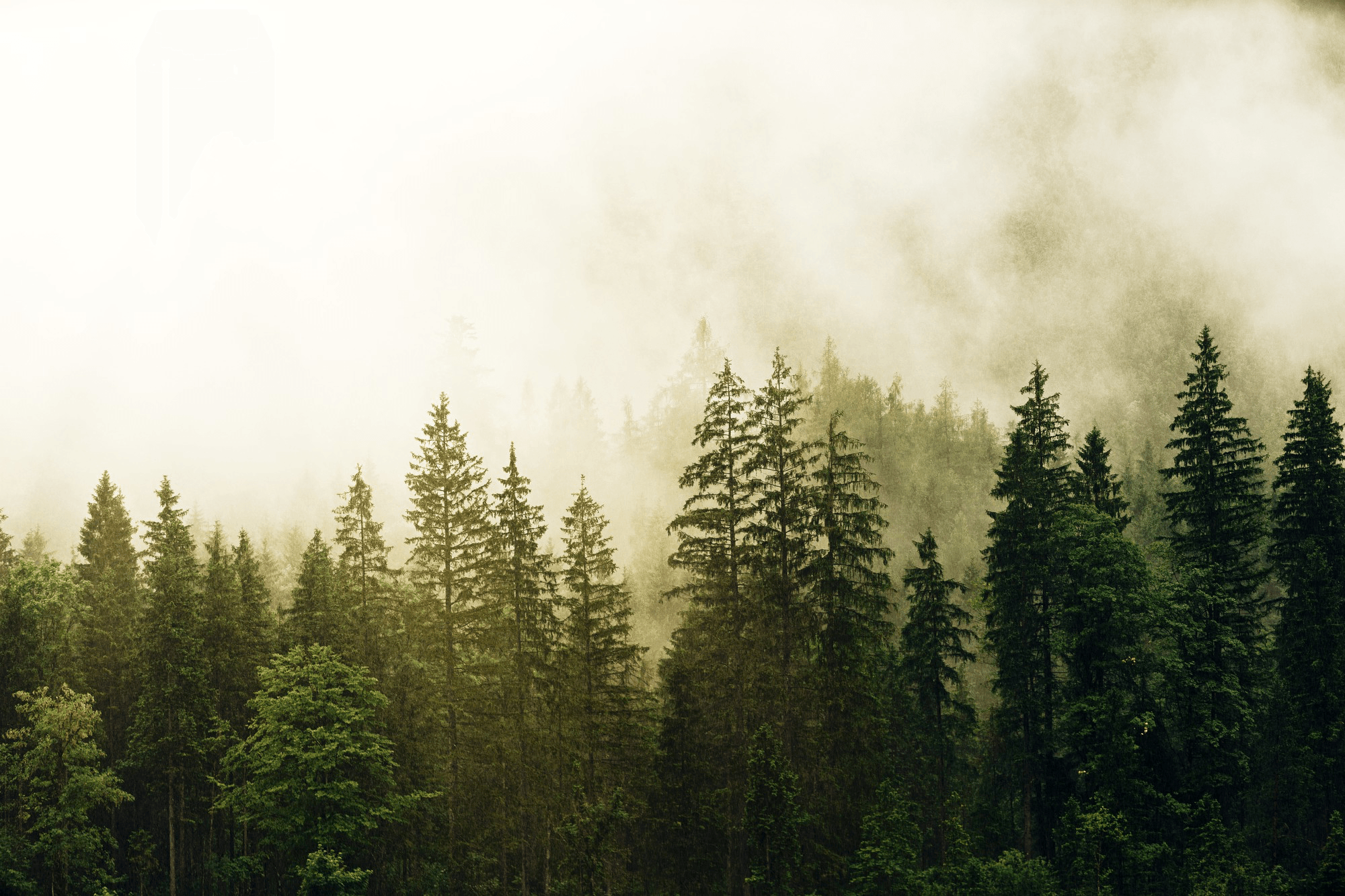
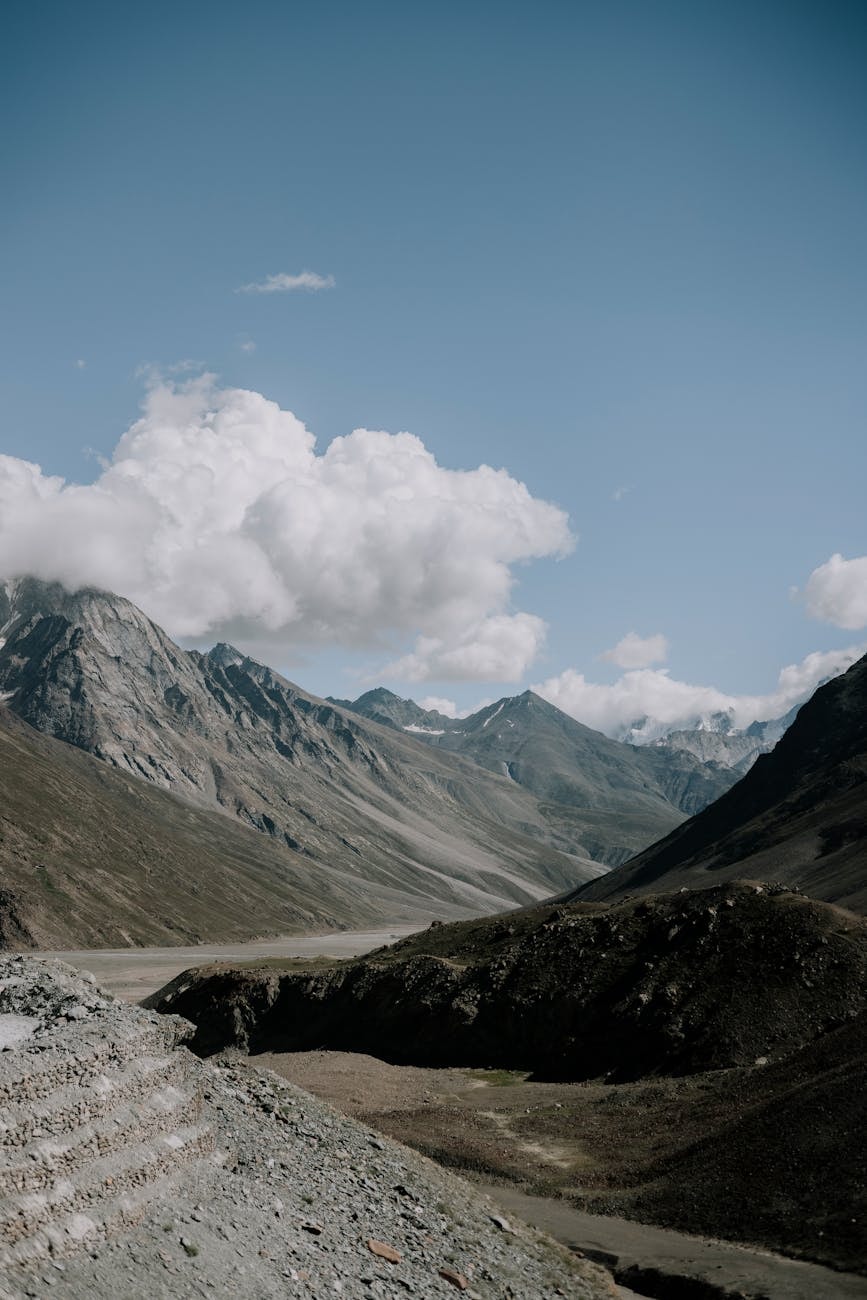
When Bob Marshall explored this region in the early 1930s, two looming peaks near the head of the North Fork of the Koyukuk River — Boreal Mountain and Frigid Crags — left a lasting impression on him. He dubbed them "The Gates of the Arctic." Straddling the central Brooks Range and lying entirely above the Arctic Circle, Gates of the Arctic National Park and Preserve protects a mass of land four times larger than Yellowstone National Park, and the park is managed primarily as Wilderness. On the south slopes visitors find a sampling of thin boreal forest; the ragged peaks of the Brooks Range give way northward to rolling tundra, too far north for many trees, where barren-ground caribou travel in huge herds and grizzly bears roam. Moose, wolves, Dall sheep, black bears, and smaller mammals share the park, eagles and hawks soar overhead, and on the extreme northern verge the land is polar desert, one of the driest places on Earth. Remote glacier-carved valleys split the range, drained by clear rivers and dotted with alpine lakes. Anglers head here for the grayling, char, and chum salmon often found in abundance. Waterways suitable for floating or paddling are seemingly endless and include all or part of six Wild and Scenic Rivers: all 83 miles of the Alatna River, which roars out of the Arrigetch Peaks; all 52 miles of the crystalline John River; all 110 miles of the Kobuk River, with its sweeping vistas of the Brooks Range; all 102 miles of the North Fork of the Koyukuk; part of the 330 miles of the Noatak River, the longest member of the Wild and Scenic family in America; and all 44 miles of the remote and seldom visited Tinayguk River. Although no established trails exist, backpacking is becoming increasingly popular here. Many hikers carry a firearm for protection from bears, but attacks are uncommon. Climbers are attracted to the Arrigetch Peaks and Mount Igikpak, and sport hunting and trapping are allowed on the preserve section. Camping is unrestricted, but wood is scarce and campfires are discouraged.
Location
Reviews
No reviews yet.
National Park Service
- 0
- Reviews