Photo unavailable
Glacier Bay Wilderness
Hosted by National Park Service
New listing
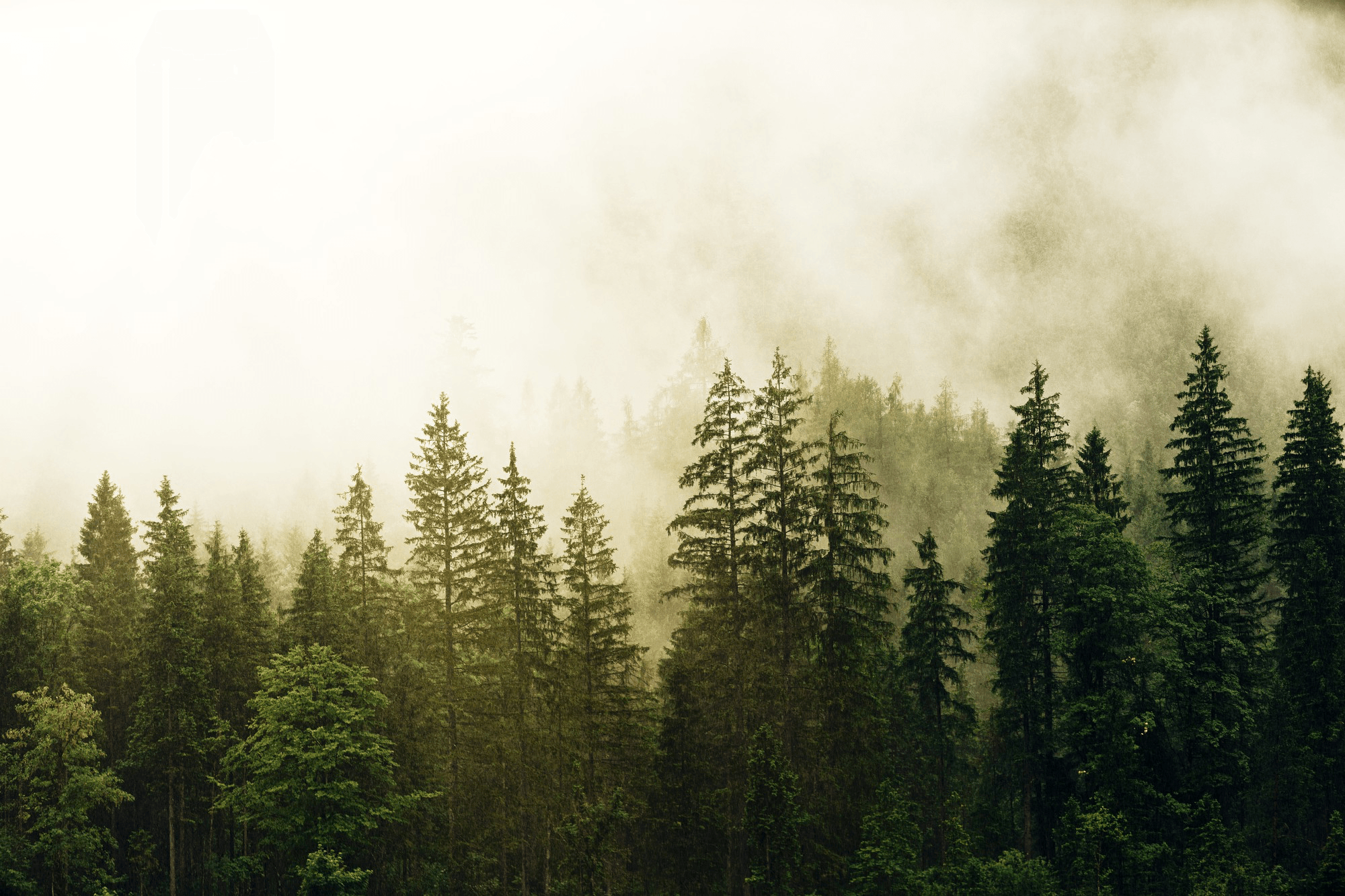
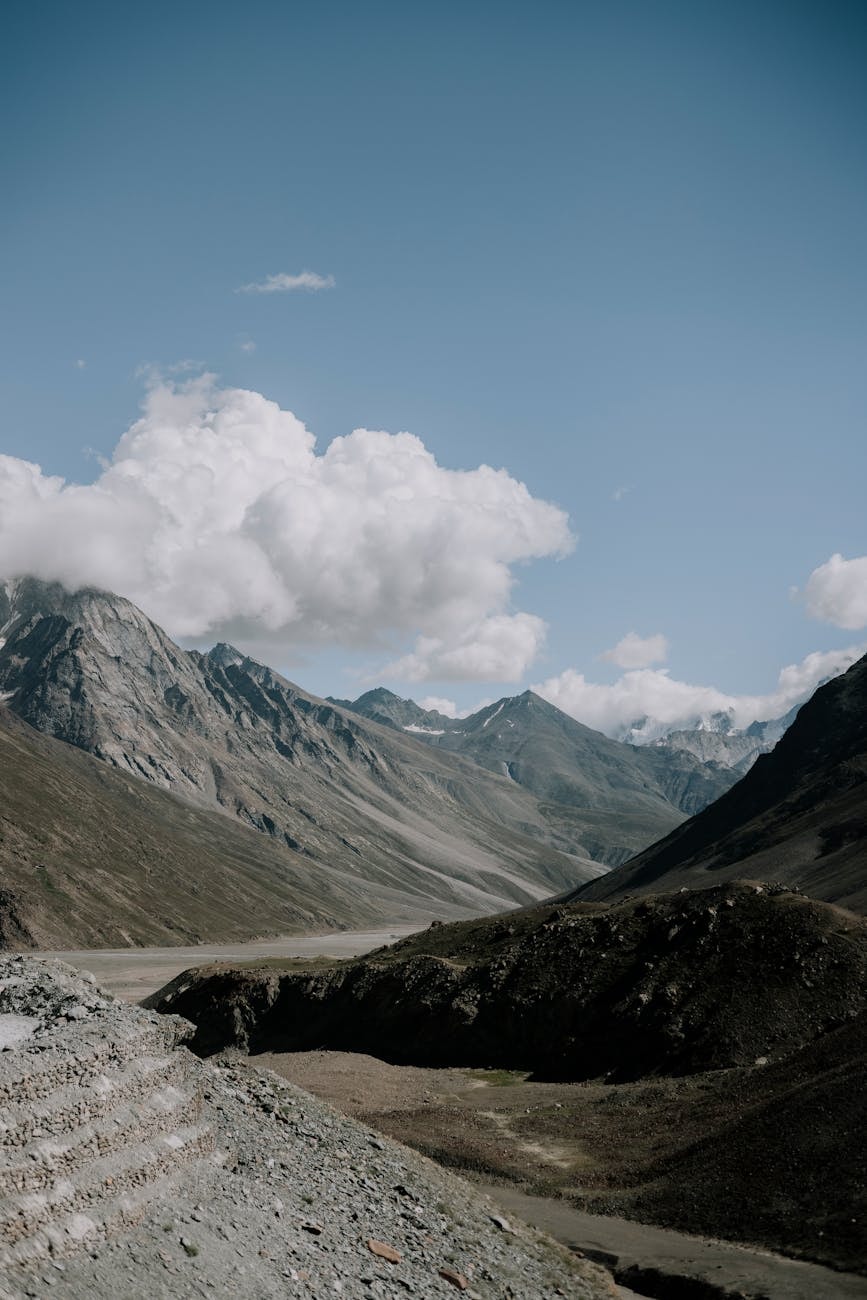
The Wilderness of Glacier Bay National Park is forged from dynamic change in the wake of powerful seismic forces and dramatic glacial movements. Glaciers have sculpted this landscape, from the sharp brows of its mountain peaks to the deep troughs of its fjords. Even the land itself is rising as the colossal weight of the ice eases off it. It is a place renowned and protected for its diversity, constant change, and opportunity for study. Change occurs at every scale: within centuries, seasons, and hours. The tides swell and recede dramatically twice a day, oftentimes by as much as twenty vertical feet. Long summer days become markedly brief in winter as the earth's axis slants away from the sun, and many species follow that pattern, disappearing from Glacier Bay during the winter only to return in spring. The salmon, a sustaining pillar of this ecosystem, return each year to the place of their birth to spawn, die, and dispense valuable proteins and other nutrients. Humpback whales converge on the rich feeding grounds in summer but range elsewhere in winter to breed and give birth. People are also an inseparable part of this continuous cycle of disturbance and accommodation; the Tlingit have been here for centuries, and as the glaciers, rivers, and life have advanced and receded through the homeland, so have the clans and the Tlingit ancestors. Since its exploration by John Muir in 1879, scientists from around the world have been drawn to Glacier Bay's living laboratory of pristine ecosystems dominated by natural successional processes. Visitors congregate in the warmer summer months to witness the calving of tidewater glaciers. The Wilderness encompasses more than its namesake: the boundary extends along the Gulf of Alaska to the mouth of the glacial-fed Alsek Lake and areas surrounding the Chilkat and Fairweather Mountain Ranges. The alpine zone in the northern and western portions remains covered in ice fields, a diverse range of successional communities occupies recently ice-bound areas, and unglaciated refugia enfold the park's outer coast and eastern edge. The outer coast is among the wildest coastlines in the world. Glacier Bay National Park preserves one of the largest units of the National Wilderness Preservation System, encompassing glacially influenced marine, terrestrial, and freshwater ecosystems. It is managed by the National Park Service, was designated in 1980, and borders the Endicott River Wilderness to the east.
Location
Reviews
No reviews yet.
National Park Service
- 0
- Reviews