Photo unavailable
Gospel-Hump Wilderness
Hosted by U.S. Forest Service
New listing
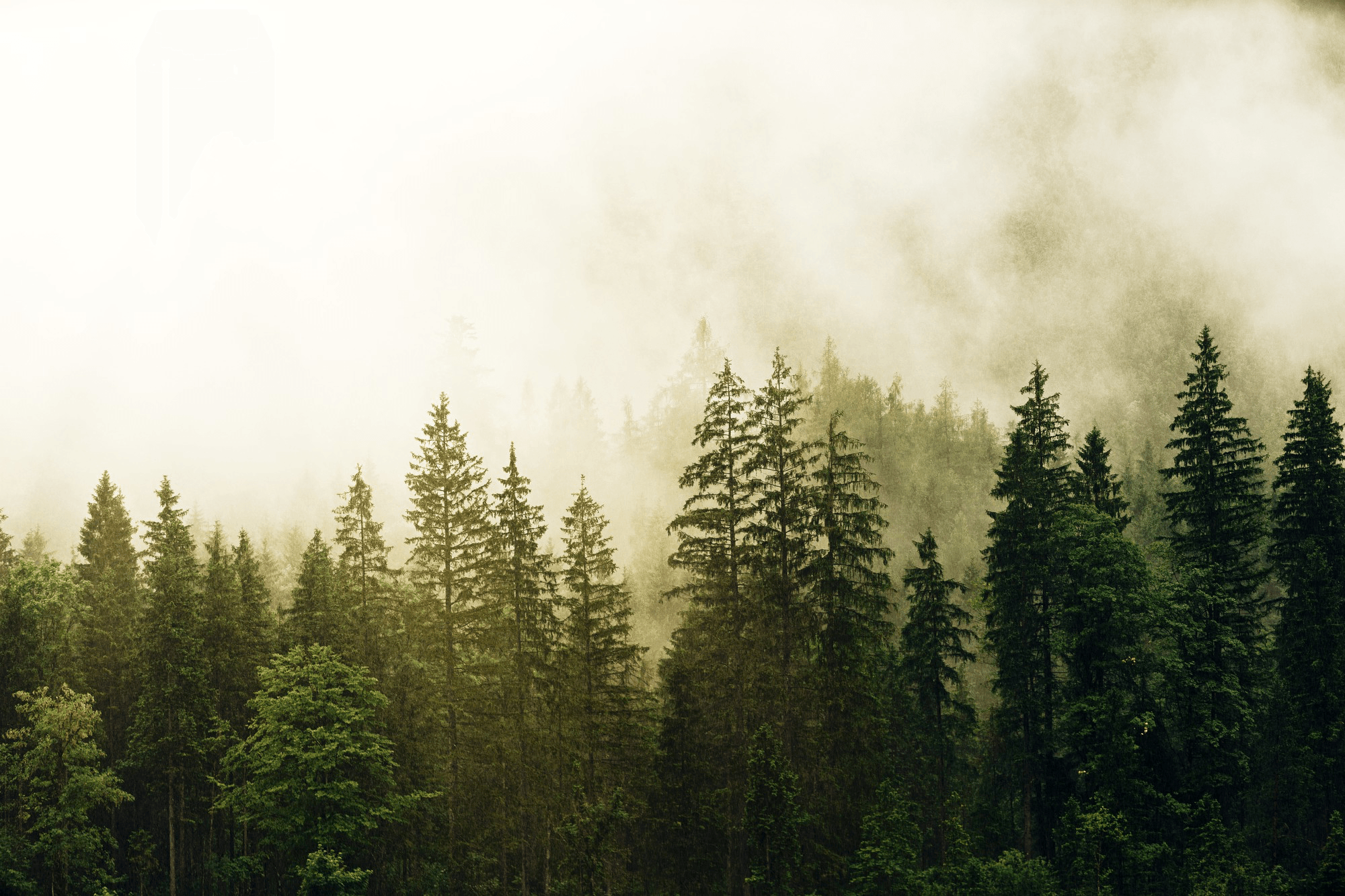
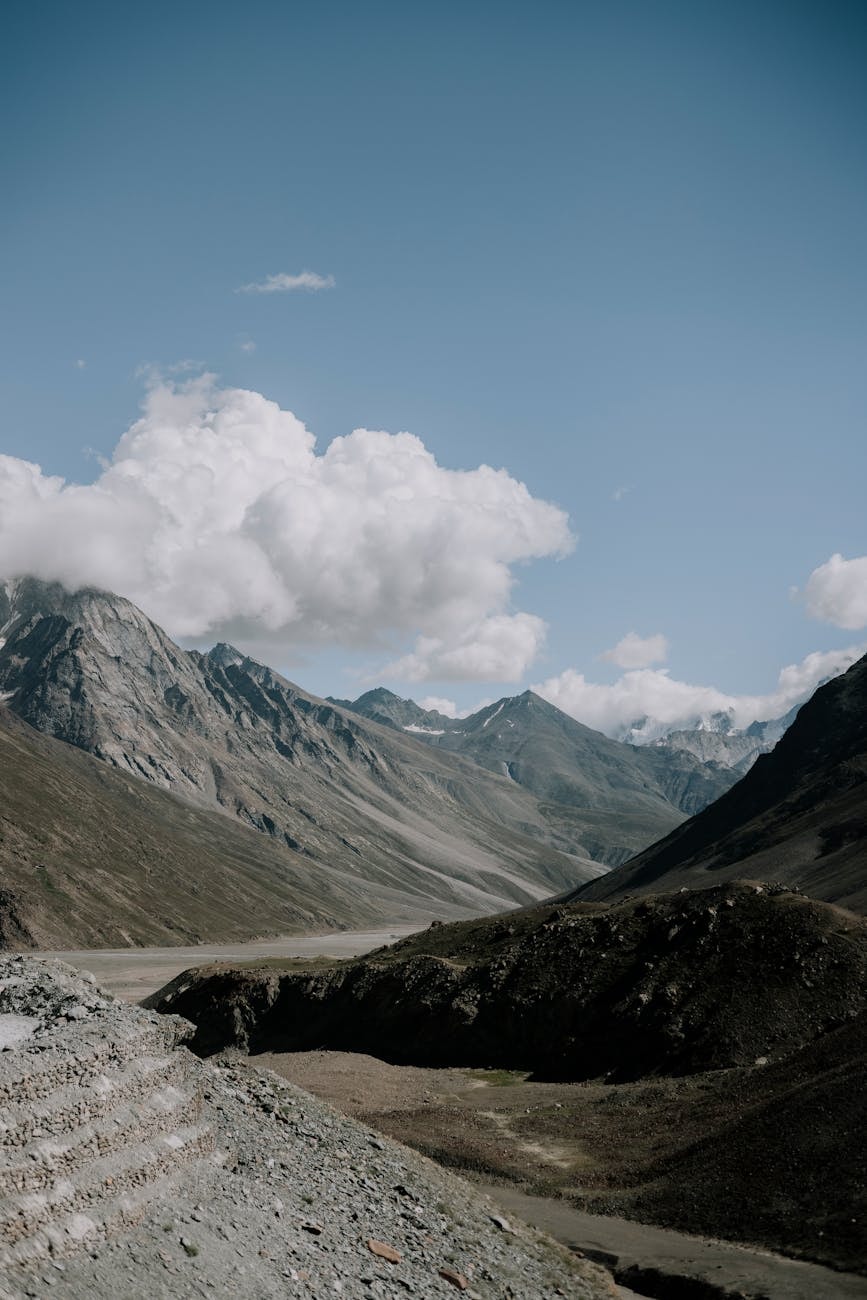
Long before explorers Lewis and Clark first laid eyes on this region in 1805, the Nez Perce people were hunting the elk, deer, and black bears whose descendants still roam here. Discovery of gold in the 1860s brought a flood of miners into central Idaho that did not subside until after the turn of the century, and another brief gold rush occurred during the Great Depression. Remnants of gold mining operations are evident. Elevations range from 1,970 feet at the Wind River pack bridge on the Salmon River to 8,940 feet at the summit of Buffalo Hump. The northern portion contains relatively gentle, heavily forested country that sweeps up the glaciated divide between the South Fork of the Clearwater River and the lower Salmon River, which flows out of the nearby Frank Church-River of No Return Wilderness. From the divide, the terrain becomes steep and sparsely vegetated along the Salmon River Breaks. Moose, mountain goats, bighorn sheep, mountain lions, wolves, and anadromous fish live here. The area sees extreme variations in weather, with temperatures sometimes soaring to 100 degrees Fahrenheit along the Salmon River while snow whitens the high country. Seasonal roads of fair to poor quality surround the Wilderness, offering access to trails that lead from the Salmon River Breaks into the high country, which many hikers would classify as very challenging and which are often impassable due to late snows. Party size is limited to 20 people and 20 head of pack or saddle stock. All stock feed must be certified weed seed free. Caching equipment or supplies for more than 14 consecutive days within any 45-day period is prohibited.
Location
Reviews
No reviews yet.
U.S. Forest Service
- 0
- Reviews