Photo unavailable
Gros Ventre Wilderness
Hosted by U.S. Forest Service
New listing
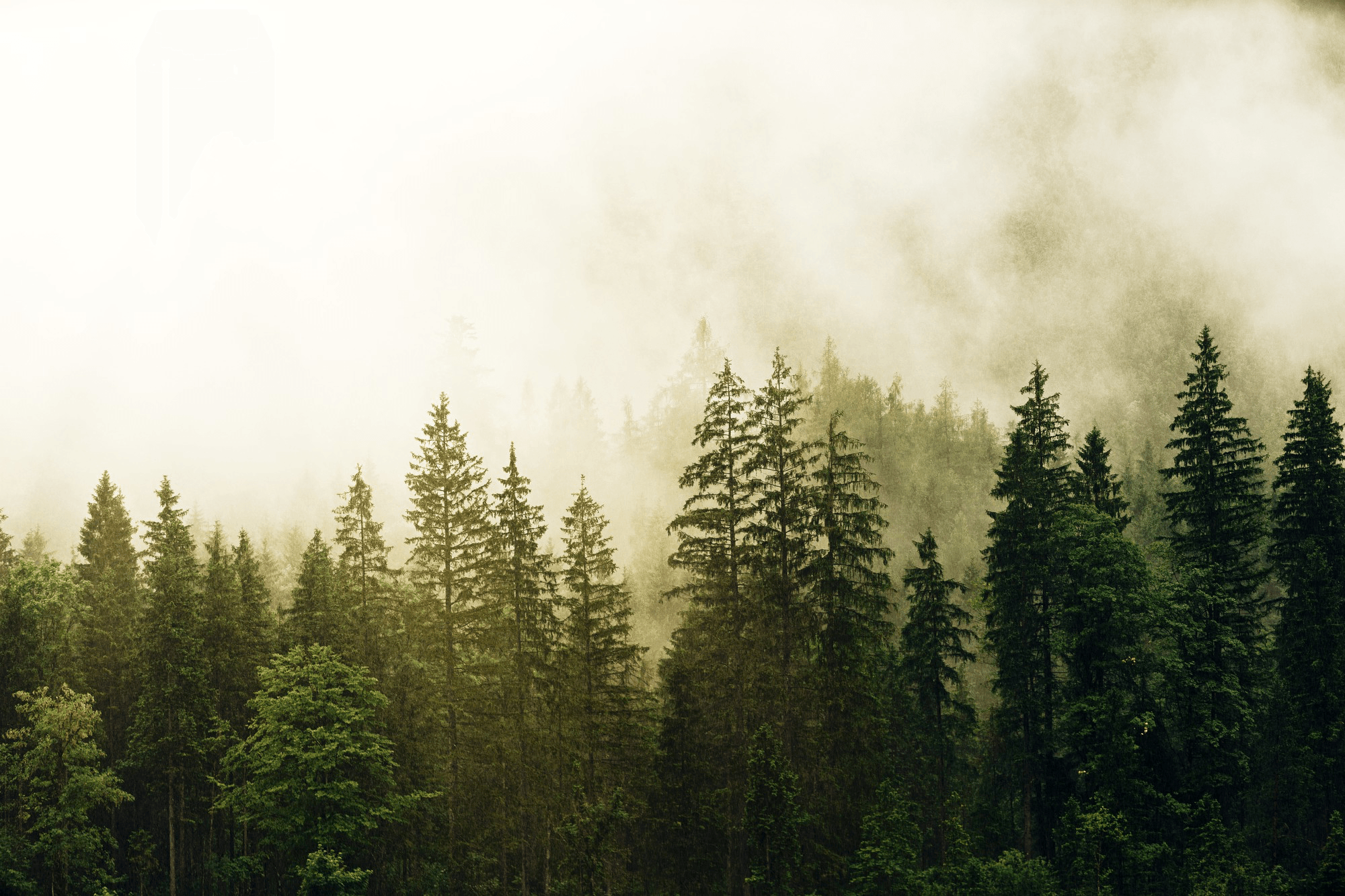
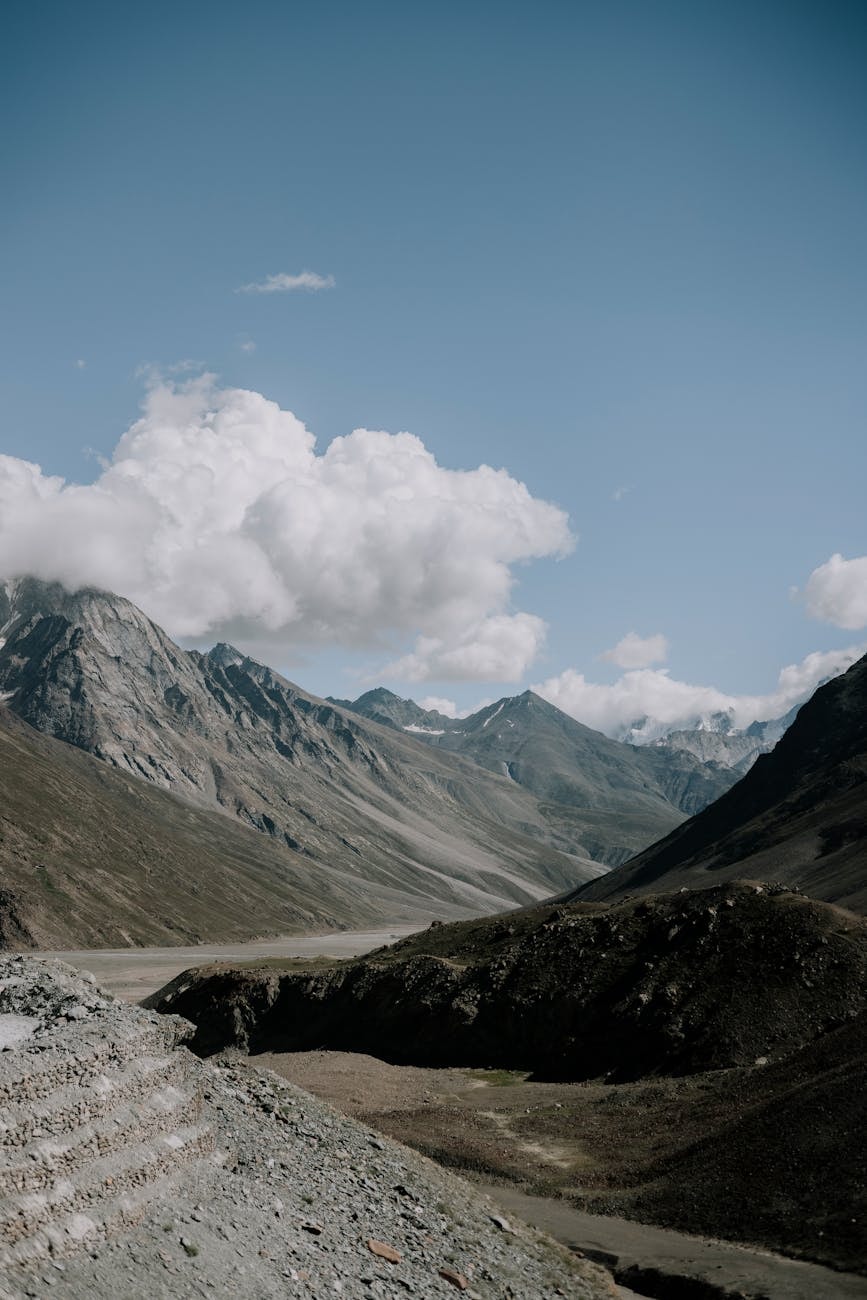
The Gros Ventre Wilderness lies just east of Jackson in western Wyoming — the name is French, meaning "big belly" — roughly bounded by the Gros Ventre River to the north, the Green River to the east, the Hoback River to the south, and the National Elk Refuge and Snake River to the west. It sits within the greater Yellowstone ecosystem, an area internationally known for its wildlands, wildlife, geological features, scenic beauty, and recreation opportunities. The Gros Ventre is a landscape of contrasts, from big, lush meadows to steep pinnacles of limestone. The highest peak is Doubletop at 11,682 feet, and spectacular views of the Teton Range can be had from virtually any high point. The Wilderness contains the headwaters of the Gros Ventre River as well as Granite Creek, a major tributary of the Hoback. When the sun sets in Jackson Hole, the last mountaintop to hold the dying alpenglow is the Sleeping Indian, lying on his back and wearing a full warbonnet, effectively hiding from view the wild canyons and plateaus behind him. The uplift which created the Gros Ventre Range began 50 million years ago. Folds and faults have produced a mountain range that is an asymmetrical arch, broken by faults, and its exposed strata are a bonanza for geologists. Evidence of landslides is abundant: in 1925 a landslide carried 50 million cubic yards of debris down Sheep Mountain, forming a dam and creating Lower Slide Lake; two years later a flood washed out part of that natural dam, destroying the town of Kelly. The slide area is now a National Geological Area within the Wilderness. A diverse variety of plant communities are found here, all shaped by past fire. Meadows range from wet sedge types to drier grass and forb types. Forested stands range from those dominated by aspen, Douglas fir, or lodgepole pine to higher-elevation spruce-fir or whitebark pine communities, and alpine tundra extends from the upper limit of trees to the tops of the mountains. The area includes outstanding habitat for big game — bighorn sheep, elk, deer, and black bear — and Olaus Murie identified the Gros Ventre as essential calving ground for the Jackson Hole elk herd. Wolves, grizzly bears, mountain lions, and bison also call this Wilderness home. There is 10,000 years of human history here, and evidence of past uses can still be found, including vision sites and wickiups. Each spring, small bands of Indians moved into Jackson Hole and hunted game in the mountains during the summer. In the 1800s human uses continued to revolve around hunting, and old cabins in the area are related to the fur trapper or "elk tuck" era. Range cabins, drift fences, and other structures associated with cattle and sheep grazing survive as well. Today recreation is the dominant human use, with approximately 250 miles of trails to explore, and the area is considered excellent for hunting, outfitting, and backpacking.
Location
Reviews
No reviews yet.
U.S. Forest Service
- 0
- Reviews