Photo unavailable
Hemingway-Boulders Wilderness
Hosted by U.S. Forest Service
New listing
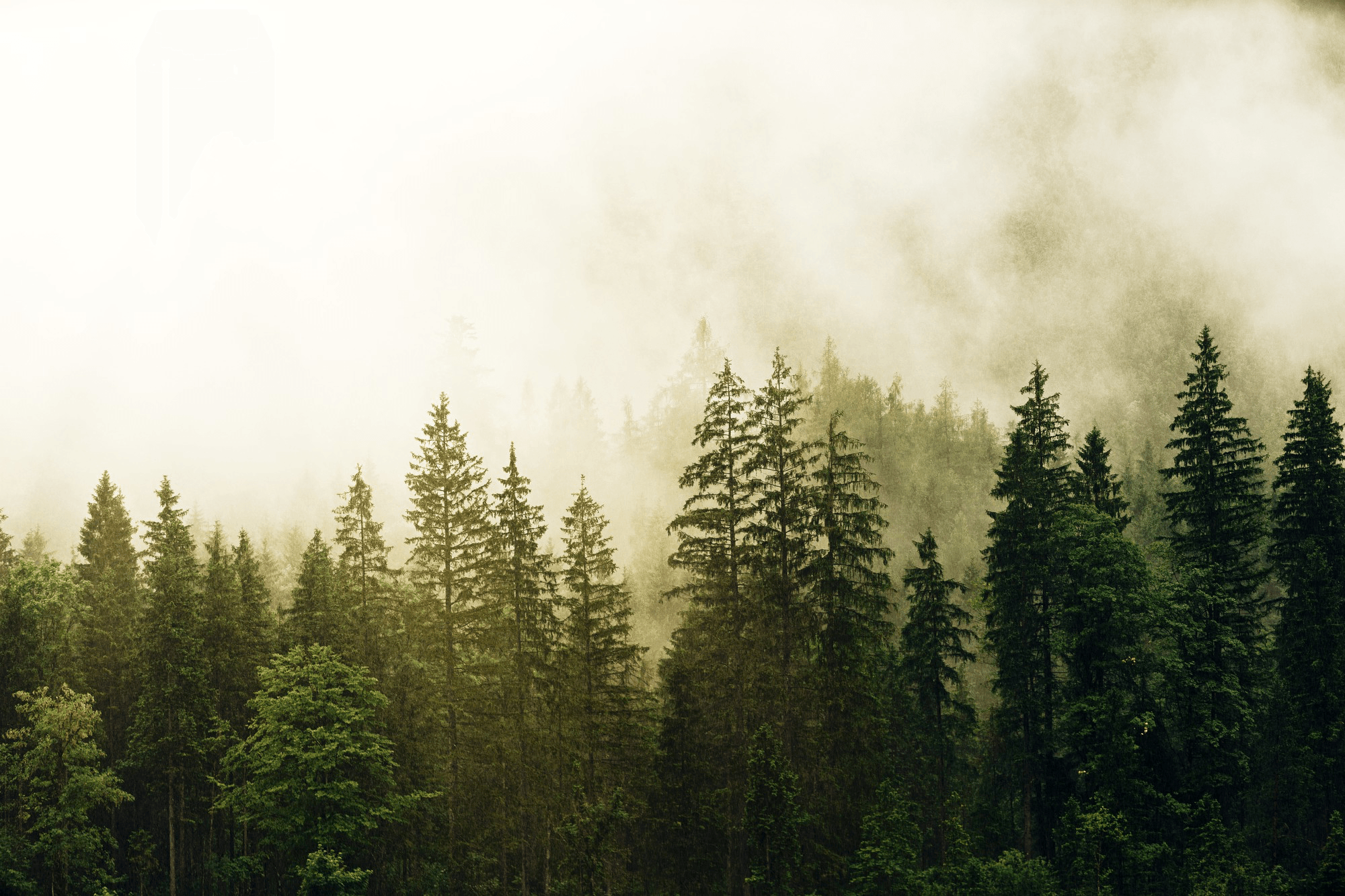
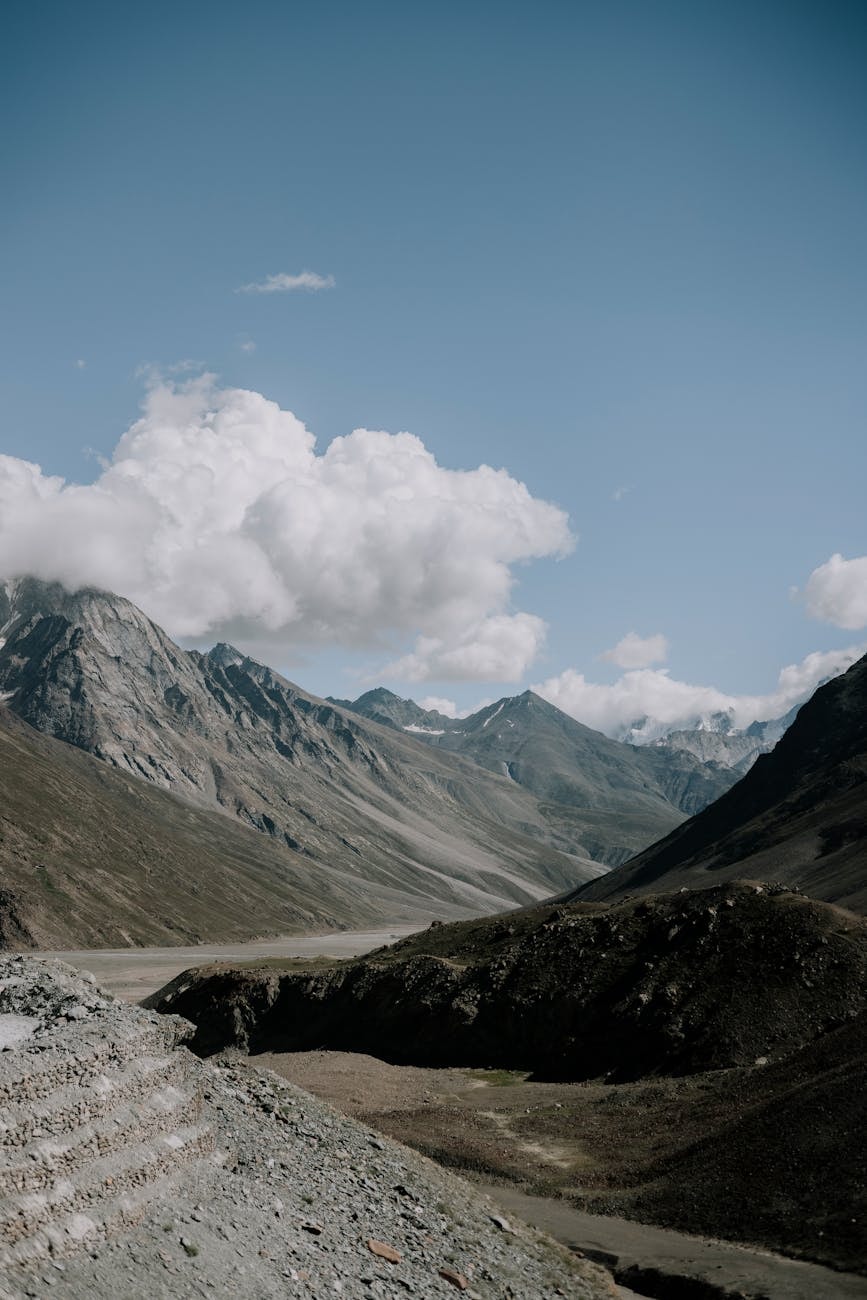
The Boulder Mountains, one of Idaho's highest and wildest ranges, are rich with human history and home to an abundance of wildlife. Amidst the towering multi-hued peaks you can listen for the howl of wolves echoing off canyon walls, sense the presence of early Native Americans, find relics of Idaho's mining boom, and challenge yourself. The dramatic 4,000-foot rise of the Boulder Front, as seen from Highway 75 just north of Ketchum and Sun Valley, defines this area for many. With 12 summits topping 11,000 feet and only 29 miles of trails, the rich reward for the adventurous lies in the views and solitude found by off-trail exploring and peak climbing. The majority of use is confined to maintained trails, including a short accessible trail. Dramatic canyons give way to snow-filled cirques, offering many recreational opportunities but more uniquely providing for solitude and primitive recreation such as off-trail route finding. Geologically the range is quite complex and contains everything from granite to Challis Volcanics. The rock is notoriously loose and rotten, providing little in the way of technical climbing. Scramble high — or stop at the goat viewing site along Highway 75 — and you may observe part of the large population of mountain goats that take refuge in this craggy habitat. Rare and sensitive predators such as the wolverine, gray wolf and mountain lion also roam these mountains. The pristine headwaters of the East Fork of the Salmon River and key tributaries of the headwaters of the Big Wood River originate here, providing cold, clear waters for important spawning and rearing areas for Chinook salmon, steelhead, Wood River sculpin, native west-slope cutthroat trout and bull trout. The wild and lightly used Hemingway-Boulders Wilderness is most often associated with the spectacular peaks that define the White Cloud Wilderness and the high tundra slopes of the Jim McClure-Jerry Peak Wilderness. Together they were part of a long, and often contentious, battle for protection that concluded on August 7, 2015, when Congress designated them as three separate wildernesses.
Location
Reviews
No reviews yet.
U.S. Forest Service
- 0
- Reviews