Photo unavailable
Huron Islands Wilderness
Hosted by U.S. Fish and Wildlife Service
New listing
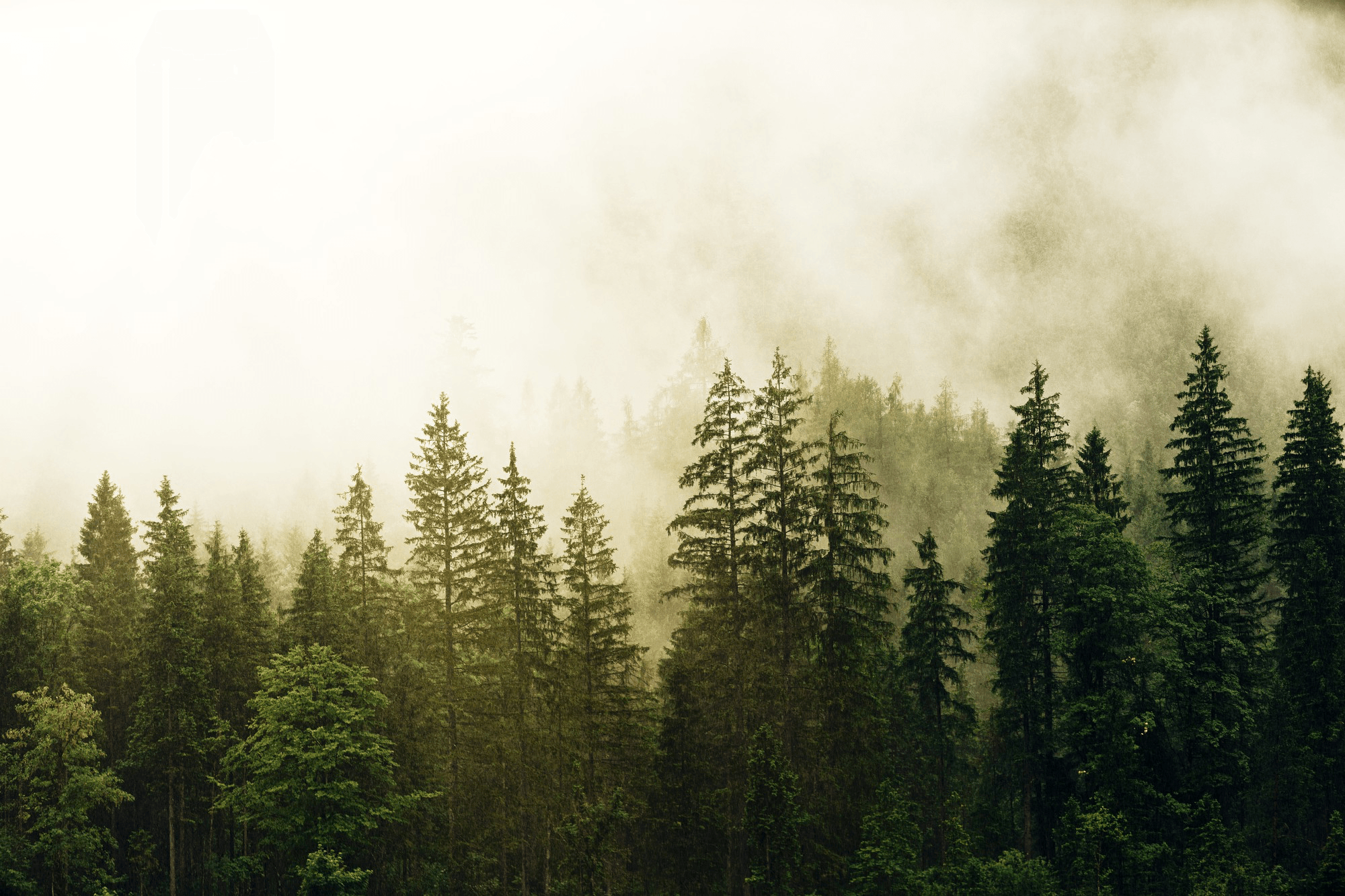
The Huron Islands Wilderness is located on, and makes up the entirety of, the Huron National Wildlife Refuge. Created when President Theodore Roosevelt designated the small islands a national bird sanctuary to protect large colonies of nesting gulls, all eight of the Refuge's islands are now managed as wilderness. Of these islands, only Lighthouse Island is open to public access. The eastern-most island is known as Cattle Island in memory of the livestock marooned there in 1860 when a cargo ship, the Arctic, ran aground. This incident prompted the construction of a lighthouse on Lighthouse Island, also known as West Huron Island. The lighthouse was completed in 1868 and remains active within the Wilderness. The islands are sheer granite outcrops that rise nearly 120 feet above the Lake Superior waterline (602 feet above sea level). In some areas the bare granite still shows deep grooves left by retreating glaciers, while in other areas a thin soil layer supports ground cover with gnarled red and white pines, balsam fir, and white birch. On Lighthouse Island you will also find remnant plants from past light keepers' gardens. Four islands are vegetated and the remaining ones are barren outcrops of granite; vegetation surveys have documented 157 species of flora. The boreal transition vegetation is made up of balsam fir, white pine, red pine, white spruce, red maple, bigtooth aspen, and paper birch, with an understory of cherry species, balsam fir regeneration, Canada yew, woody shrubs, grasses, and forbs. A few areas on East Huron contain small sphagnum bogs with an occasional black spruce. Wildlife is scarce in winter — only snowshoe hare and small mammals are year-round residents — but the islands are critically important for colonial nesting birds and serve as a resting site for birds migrating across Lake Superior. Visitors should expect cool temperatures in the 60s during summer months and below freezing in winter, with an average winter temperature of 17.2 degrees. The islands receive 24.8 inches of precipitation annually. A half-mile trail leads from the boat dock to the lighthouse, and a one-mile trail will guide you to the north end of the island.
Location
Reviews
No reviews yet.
U.S. Fish and Wildlife Service
- 0
- Reviews