Photo unavailable
Ireteba Peaks Wilderness
Hosted by Bureau of Land Management
New listing
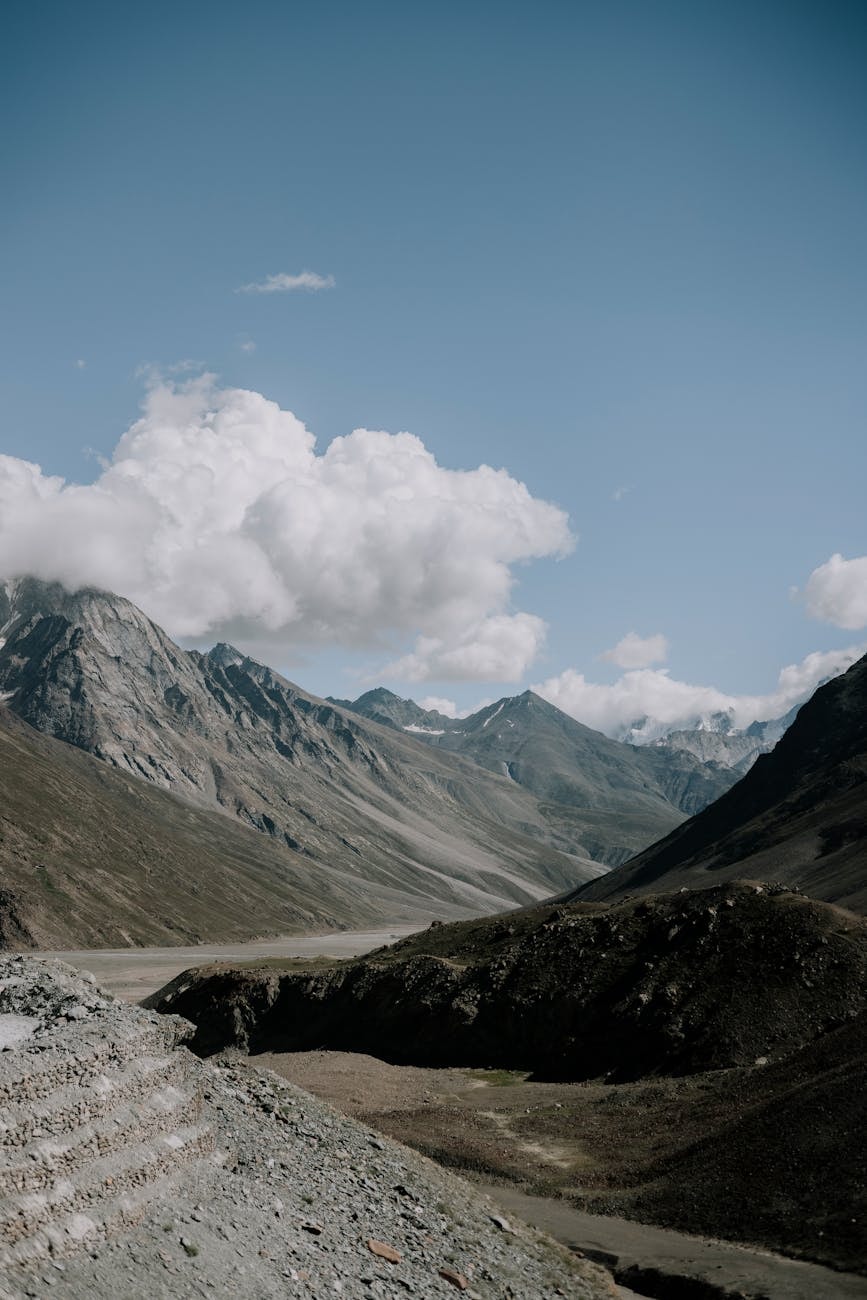
Named after Ireteba, a Mohave tribal leader who guided Lieutenant J.C. Ives on his expedition up the Colorado River, this Wilderness lies 50 miles south of Las Vegas. It contains the southern portion of the Eldorado Mountains as well as the Opal Mountains, and is co-managed by the BLM and the National Park Service. It is filled with eye-catching colorful landscapes, scenic vistas, secluded valleys, and flat alluvial fans. Running parallel with the shoreline of Lake Mohave, the Wilderness contains varied terrain as well as an exposed ridge composed of volcanic rock. The south and east portions contain jumbled granite outcrops. Opal Mountain appears to have a thick basalt cap, which indicates a large amount of erosion that exposed this mountain. With elevations reaching 5,060 feet, creosote bush, white bursage, patches of brittlebush, and Mojave yucca spread across the desert floor. On the rocky hillsides look for barrel, prickly pear, and teddy bear cactus as well as Mormon tea. With a keen eye you may spot desert bighorn sheep, jackrabbits, or a side-blotched lizard. The threatened desert tortoise and Townsend's western big-eared bats are just some of the unique species surviving in the Mojave Desert. Watch for black-throated sparrows, and you may spot red-tailed hawks circling overhead. You will find plenty of opportunities for silence and seclusion in this backcountry destination. Few visitors and the need for route-finding skills provide solitude and chances to hike, horseback ride, hunt, explore, and camp under the stars in a very isolated area.
Location
Reviews
No reviews yet.
Bureau of Land Management
- 0
- Reviews