Photo unavailable
Isle Royale Wilderness
Hosted by National Park Service
New listing
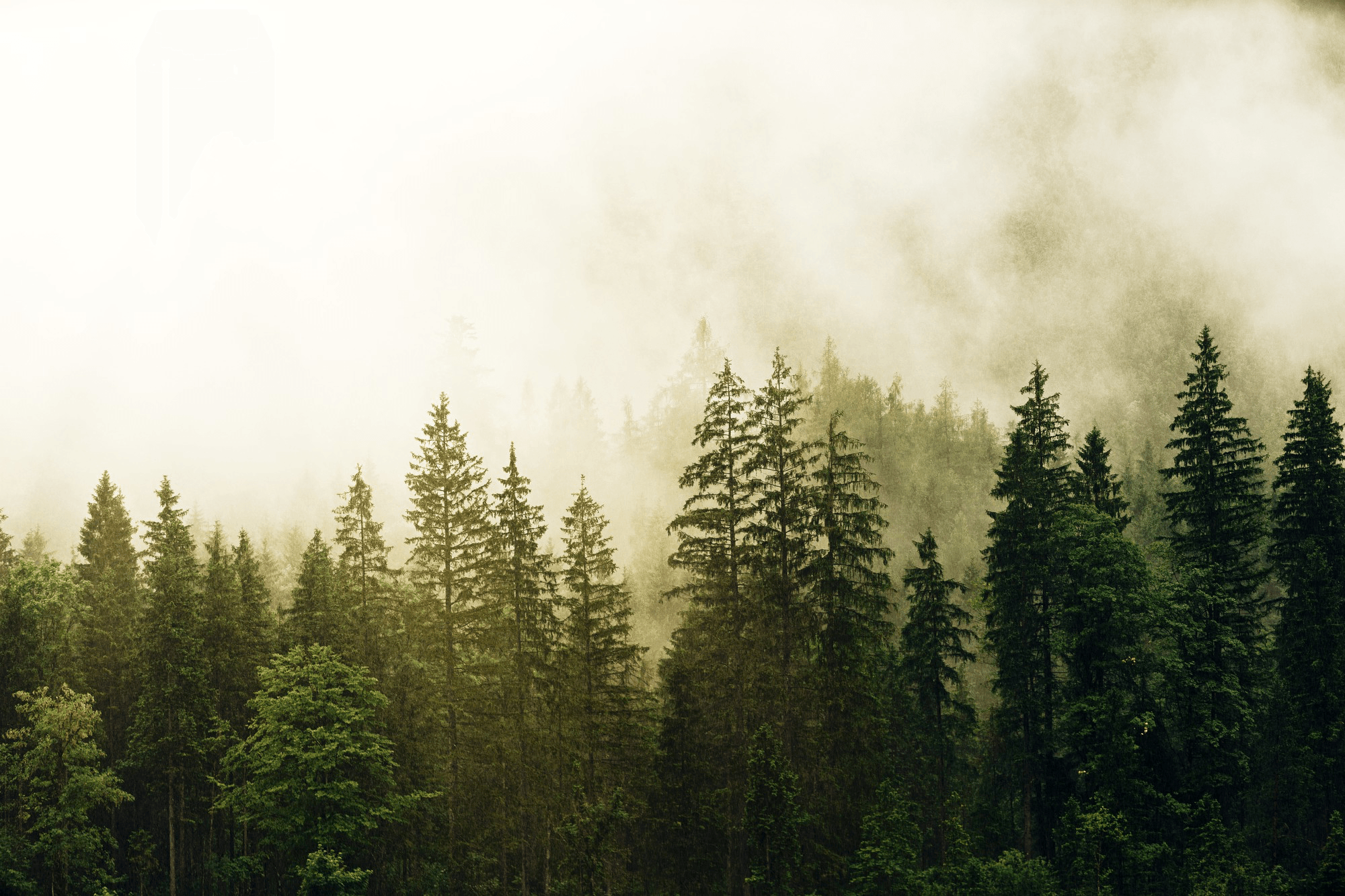
The Ojibwe, who have visited the island for more than 4,500 years, called Isle Royale "Minong", the good place; French trappers gave the 45-mile-long, nine-mile-wide island its regal name. Located in the northern, surging waters of Lake Superior, 99% of Isle Royale National Park has been designated Wilderness. The largest island in the largest freshwater lake in North America, it is also by far Michigan's largest Wilderness area. Created by flowing lava, flattened and smoothed by glaciation and subsequent erosion, the island contains more than 100 lakes and small ponds; in fact water covers more of the surface than dry land when you include the waters of Lake Superior, where the park boundary extends 4.5 miles out. In the lakes you may catch northern pike, trout, walleye and perch without a permit, though fishing in Lake Superior requires a Michigan license. Around the lakes and along the island's shore grows a forest of mixed evergreens and hardwoods. Isle Royale is home to a famously secretive population of timber wolves, which you may hear howling at the moon. Other wildlife includes moose, beavers, red foxes, marten, red squirrels and snowshoe hares, and approximately 150 bird species have been spotted. Visitors come to hike, camp, fish and watch wildlife. With miles of splendid coastline indented by numerous protected bays and sheltered coves, this is considered a marvelous destination for sea kayakers. There are 36 established primitive campgrounds, available on a first-come, first-served basis, set along about 170 miles of trail and endless shorelines.
Location
Reviews
No reviews yet.
National Park Service
- 0
- Reviews