Photo unavailable
Izembek Wilderness
Hosted by U.S. Fish and Wildlife Service
New listing
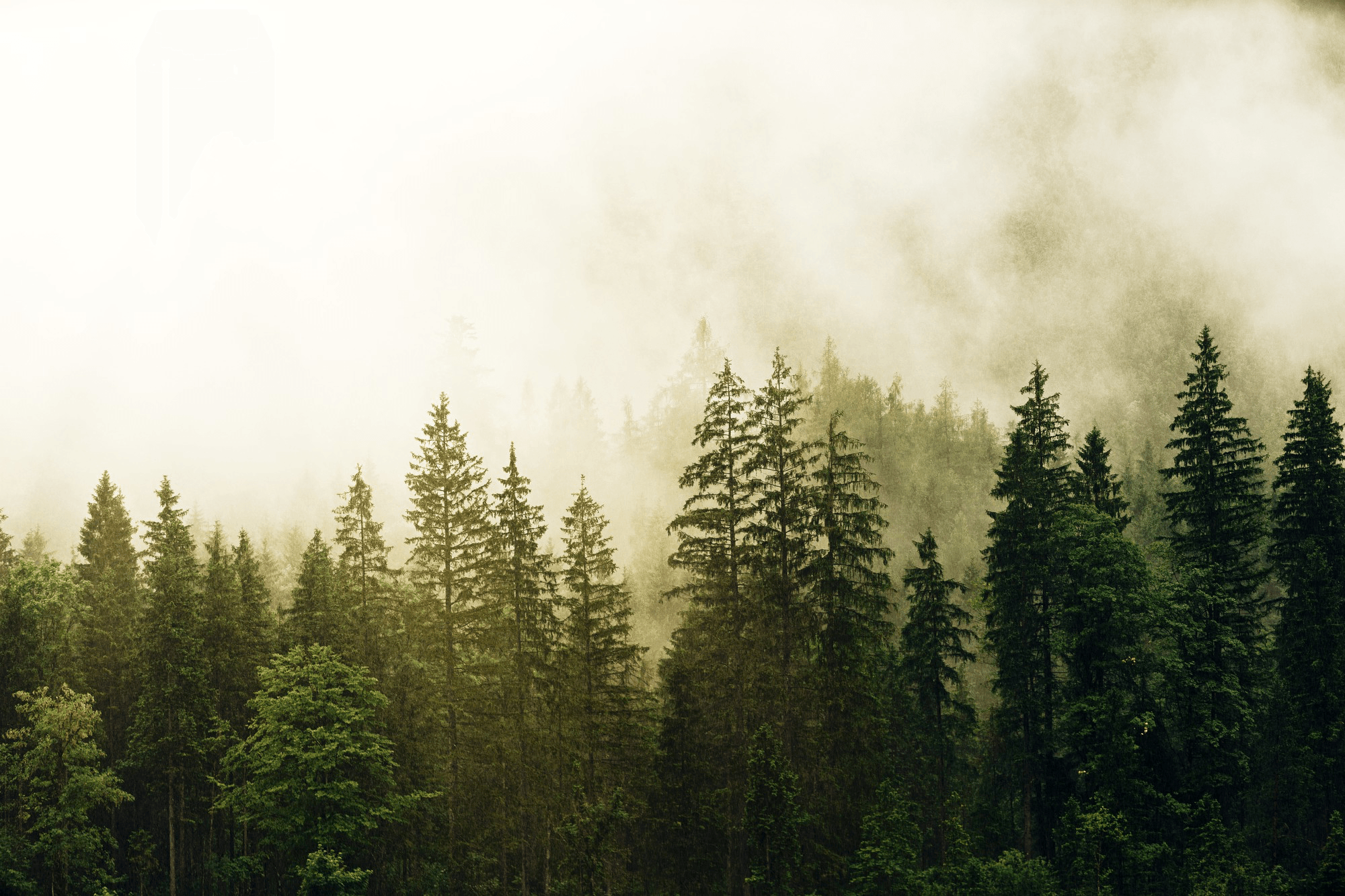
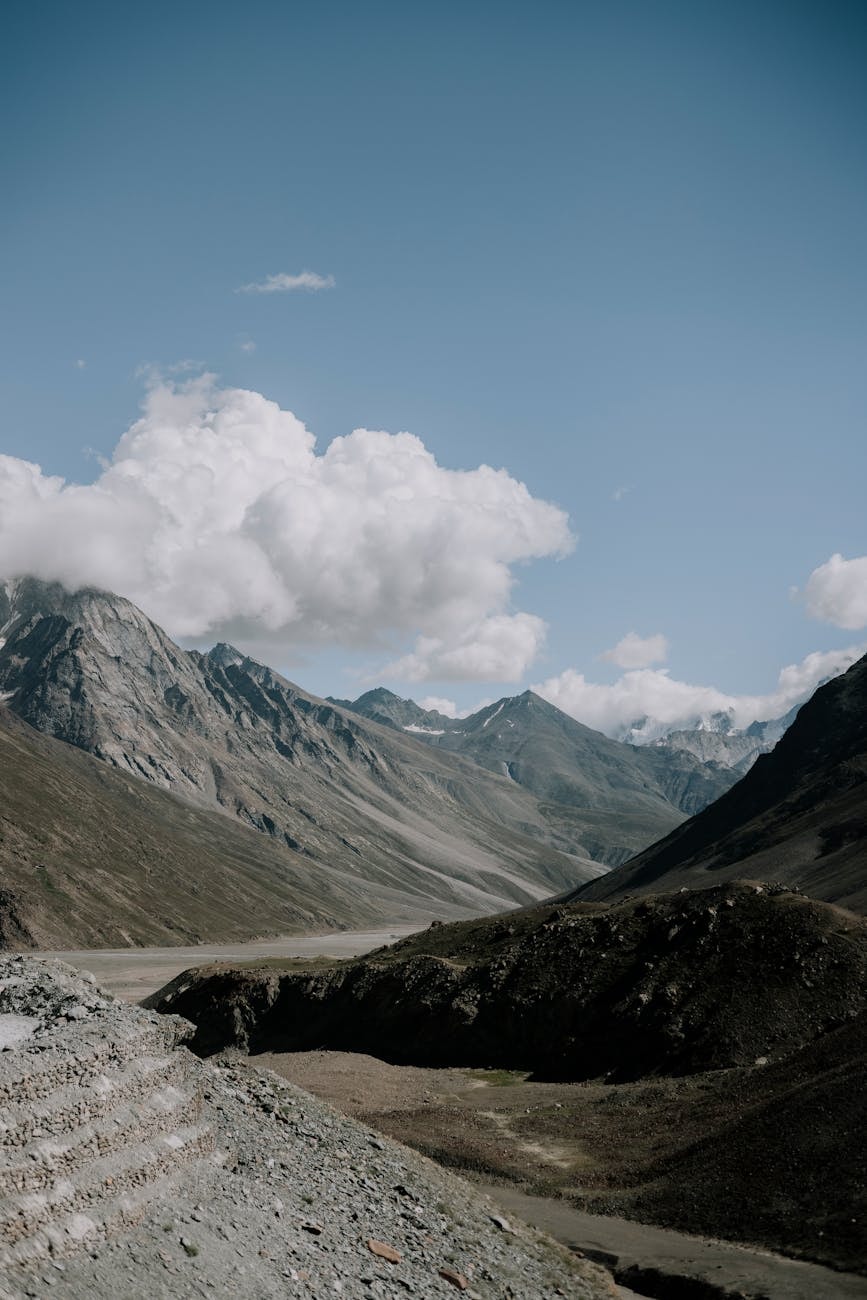
On the tip of the Alaska Peninsula, Izembek Wilderness sees a quarter-million migratory birds land every fall, including the entire world's population of black brant and thousands of Canada and emperor geese, ducks, and shorebirds. Izembek Lagoon, enclosed by the Wilderness, contains one of the largest eelgrass beds in the world, providing food and shelter for those birds. Tundra swans live here year-round, gray, minke, and killer whales migrate along the coast by the thousands, sea otters are the most common inhabitants of the lagoon, hundreds of thousands of salmon begin and end their life cycles on the refuge, the brown bear habitat is unparalleled, and caribou wander through in herds. Smoking volcanoes and glaciated mountains tower over lakes and meandering rivers that drain into lagoons opening on the Bering Sea. The castle-like Aghileen Pinnacles form part of the boundary between Izembek Wilderness and the Alaska Peninsula National Wildlife Refuge. The Wilderness makes up the entirety of Izembek National Wildlife Refuge except for land along a gravel road system and several private inholdings. Crowberry, blueberry, and salmonberry are only three of over 300 plant species found here. Strong winds and acidic soils have produced plants that are hearty and low-growing. Hunting and fishing draw many visitors; however, no maintained trails exist and the terrain can be rugged. Elevations vary from sea level in the wetlands to over 5,800 feet atop Mount Frosty, a Holocene volcano. Average temperatures range from 47°F to 56°F in summer and 24°F to 33°F in winter, and the area receives 41.9 inches of precipitation a year.
Location
Reviews
No reviews yet.
U.S. Fish and Wildlife Service
- 0
- Reviews