Lusk Creek Wilderness
Hosted by U.S. Forest Service
New listing
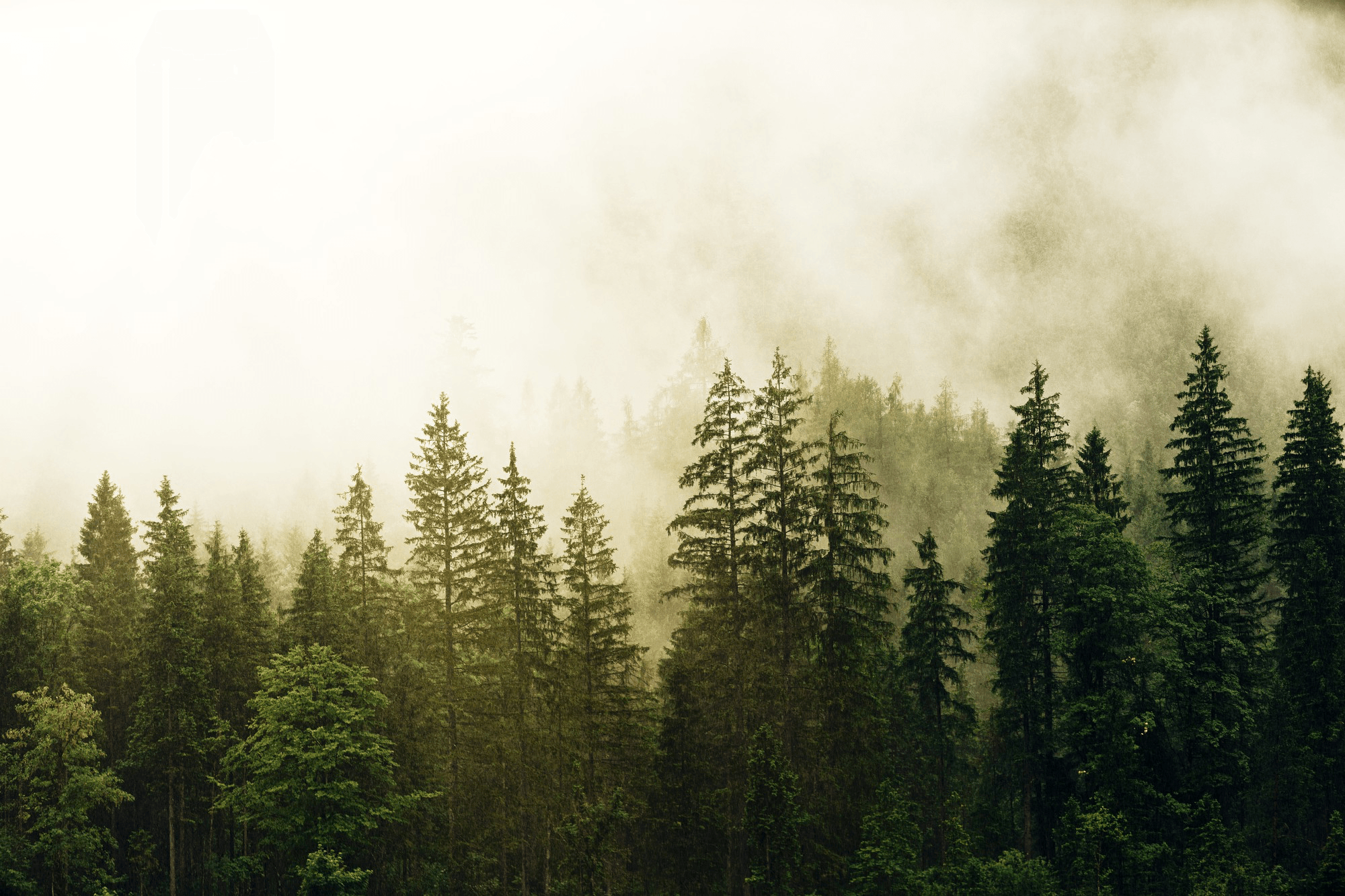
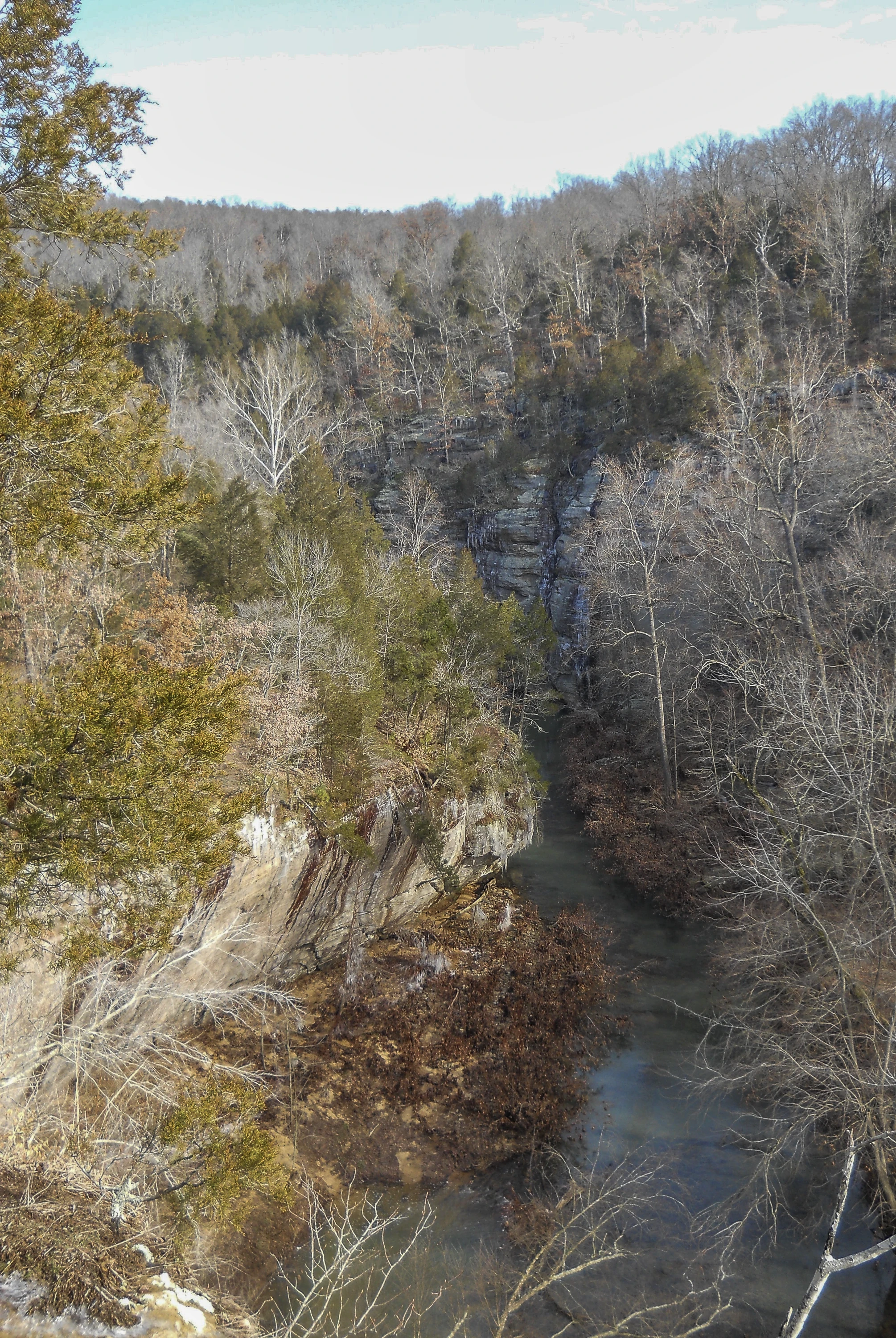
Rugged terrain and winding canyons characterize the Lusk Creek Wilderness, offering an unusually diverse topography for Illinois. This Wilderness protects broad, relatively flat ridge tops and terraces that overlook narrow ravines and deep sandstone gulches. Throughout the area you'll find sheltered caves, sinkholes, and sheer rock walls that rise up to 200 feet above the creeks. You may also discover small tracts of old-growth timber and spring wildflowers, including wild columbine and French's shooting star. Lusk Creek itself is considered one of the state's highest-quality streams, running year-round along with several other waterways in the region. Anglers can fish for bass and bluegill in its waters. The Indian Kitchen Trailhead, on the west side of the Wilderness, has a small parking lot. The 1.5-mile trail begins across the road from the parking area and leads to a precipice known as Indian Kitchen, situated at a hairpin turn in Lusk Creek Canyon. Evidence suggests that humans utilized the "Kitchen" in prehistoric times, potentially as long as 10,000 years ago. The 160-mile River-to-River Trail, completed in 1996, crosses Illinois from Battery Rock on the Ohio River to Devil's Backbone Park on the Mississippi, providing a pathway through Lusk Creek Wilderness. It connects all seven Wilderness areas in Shawnee National Forest, with the 18-mile section from Garden of the Gods Wilderness across Lusk Creek often described as the most wild stretch in the Midwest. Hiking here may be more strenuous than in most of Illinois. No permits are required for trail use or camping, but since several non-system trails exist, map and compass use is recommended.
Location
Reviews
No reviews yet.
U.S. Forest Service
- 0
- Reviews