Photo unavailable
Mackinac Wilderness
Hosted by U.S. Forest Service
New listing
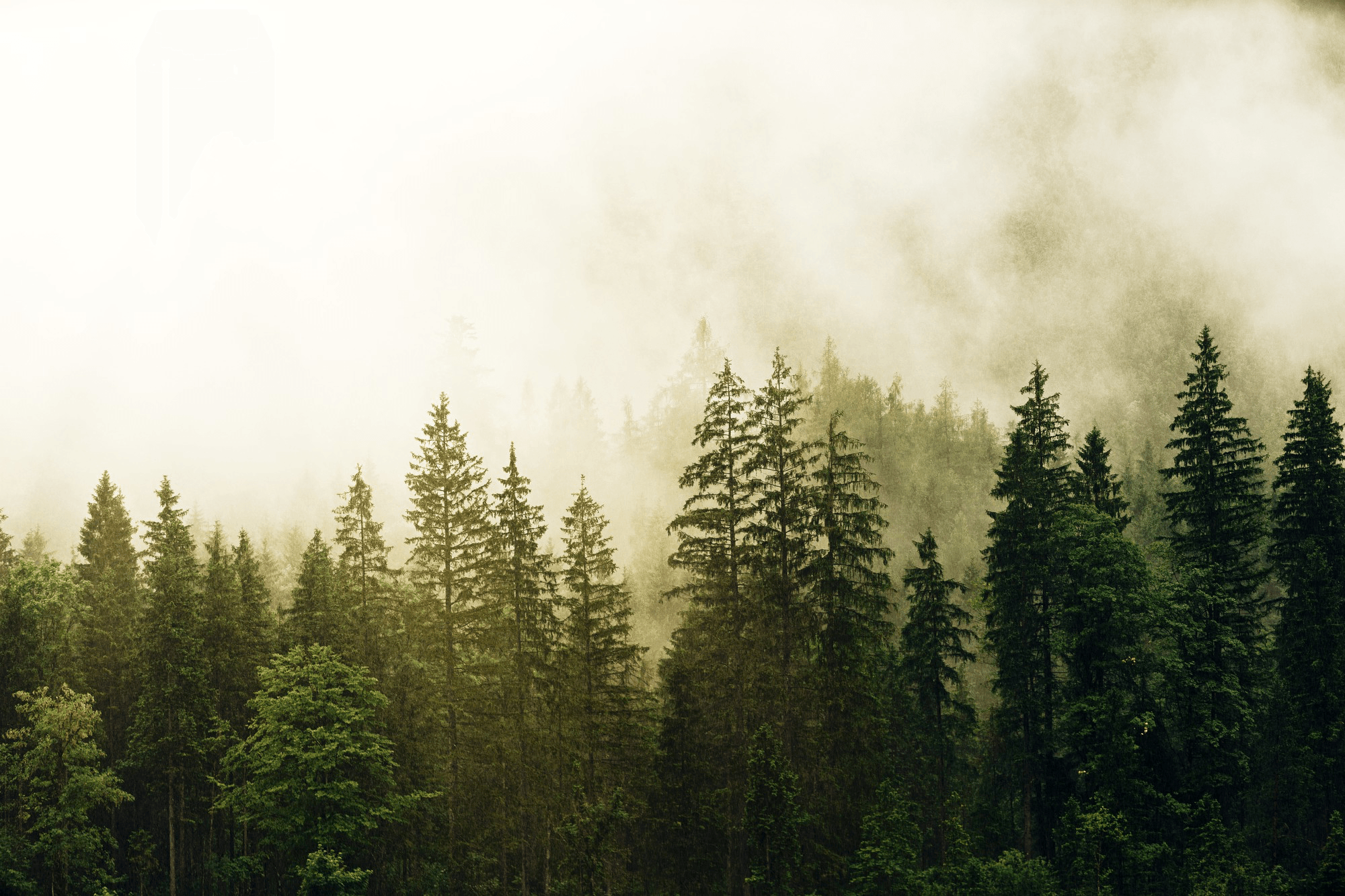
By the late 1910s the Mackinac Wilderness had been extensively logged, but natural regeneration has allowed a second-growth forest to reclaim the land, with some trees now standing for 60 to 80 years. In the northeastern section a dense forest of northern hardwoods grows along low ridges, with stands of birch and aspen. The rest of the Wilderness is characterized by large wetlands, bordered by sand ridges, shallow bogs, and marshes interspersed with small clumps of trees. Busy beavers frequently dam the drainages, forming seven major ponds. In the northeast, seven-acre Spring Lake sits at the edge of the wetlands, serving as the headwaters for Spring Lake Creek. Wildlife native to the area includes bald eagles, ospreys, sandhill cranes, great blue herons, pileated woodpeckers, ruffed grouse, black bears, raccoons, pine martens, mink, muskrats, red squirrels, and snowshoe hares. White-tailed deer also winter here in the dense stands of trees. Most visitors, however, come to experience Mackinac's most celebrated feature: the Carp River. Flowing through the heart of the Wilderness, the sandy-bottomed Carp carves its way through water-shaped riverbanks and numerous oxbows. Brook, rainbow, and brown trout spawn in the Carp and its tributaries, drawing anglers from near and far. The Wilderness is in Michigan, is managed by the Forest Service, and was designated in 1987.
Location
Reviews
No reviews yet.
U.S. Forest Service
- 0
- Reviews