Photo unavailable
McCormick Wilderness
Hosted by U.S. Forest Service
New listing
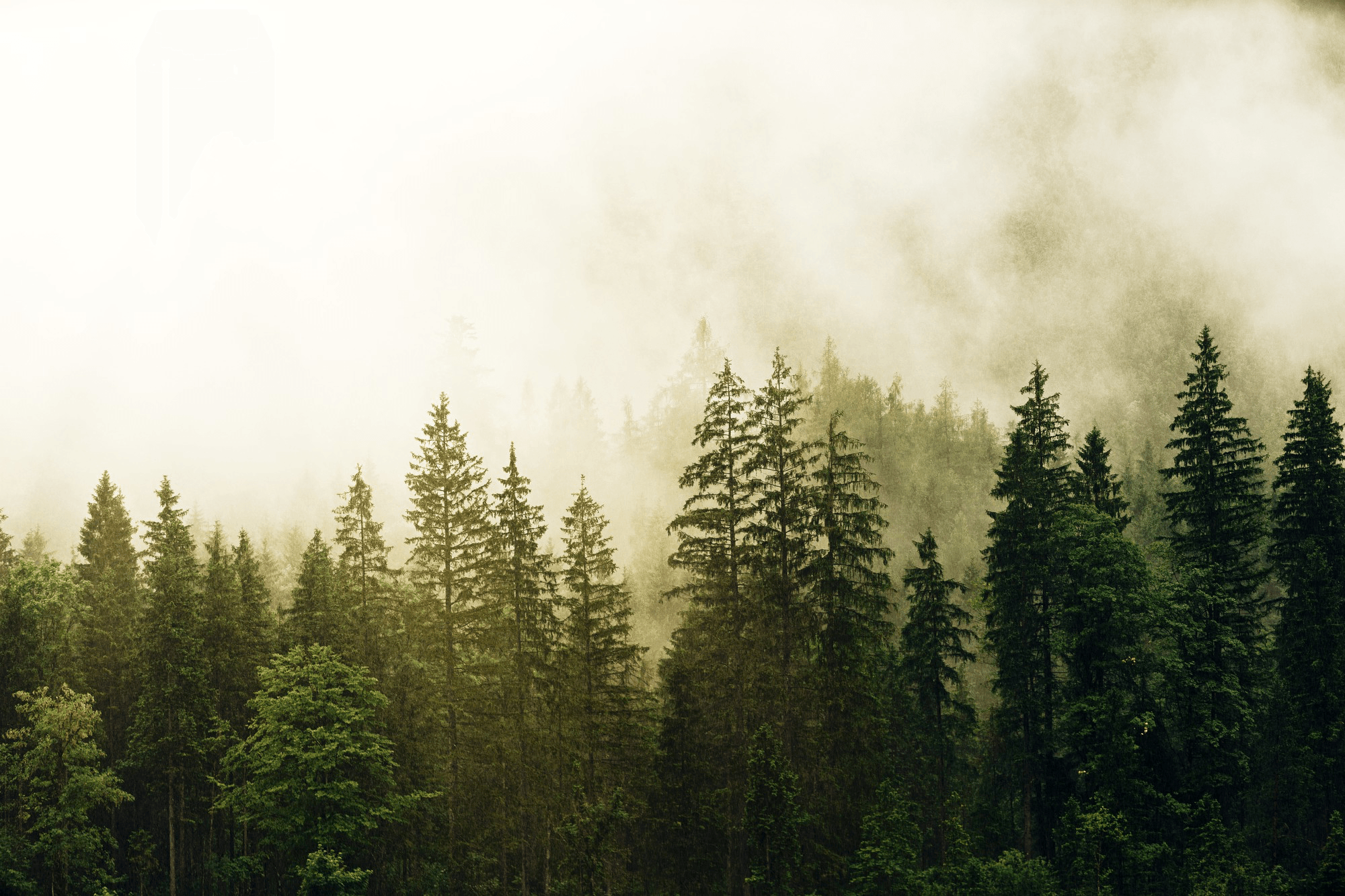
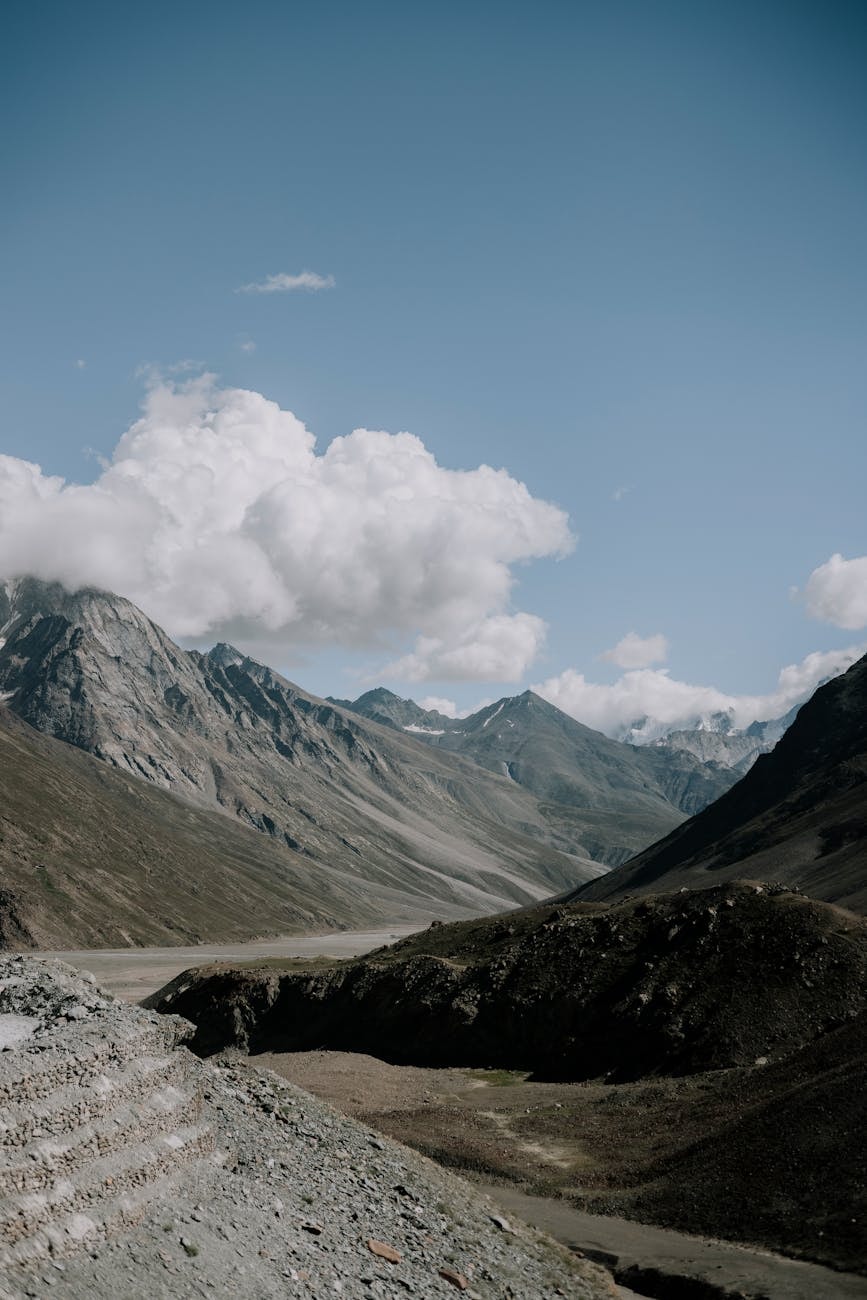
Three generations of McCormicks, the descendants of Cyrus McCormick, inventor of the reaping machine, held the deed to this area before Gordon McCormick willed the land to the U.S. Forest Service. McCormick Wilderness has recovered from the logging era that ended in the early 1900s. Today you'll find a mixture of northern hardwoods and lowland conifers interspersed with small patches of towering white pine, Michigan's state tree. Moose have been reintroduced here and are relatively common sights by Michigan standards. Other forest dwellers include black bears, pine martens, otters, minks, foxes, deer, squirrels and hares. Bird-watchers enjoy loons and woodpeckers as well as thriving populations of many other species. Trout, pike and bass live here, but only in small numbers due to the less-than-fertile waters. Straddling the divide between Lake Superior and Lake Michigan, this is a region ranging from nearly level terrain to rocky cliffs. McCormick's water is what draws most visitors, with the Huron, Dead, Peshekee and the Wild and Scenic Yellow Dog Rivers all having part of their headwaters within the Wilderness. Many cascading waterfalls on the Yellow Dog, one of the few Eastern rivers designated "wild", make it unnavigable. Eighteen small lakes add sparkle to the landscape. The three-mile White Deer Lake Trail connects County Road 607 to White Deer Lake, where the McCormick estate once stood. Remnants of old, unmaintained trails can sometimes be found, but the rest of the Wilderness is fairly rugged, isolated, unspoiled and relatively difficult to access.
Location
Reviews
No reviews yet.
U.S. Forest Service
- 0
- Reviews