Moosehorn Wilderness
Hosted by U.S. Fish and Wildlife Service
New listing
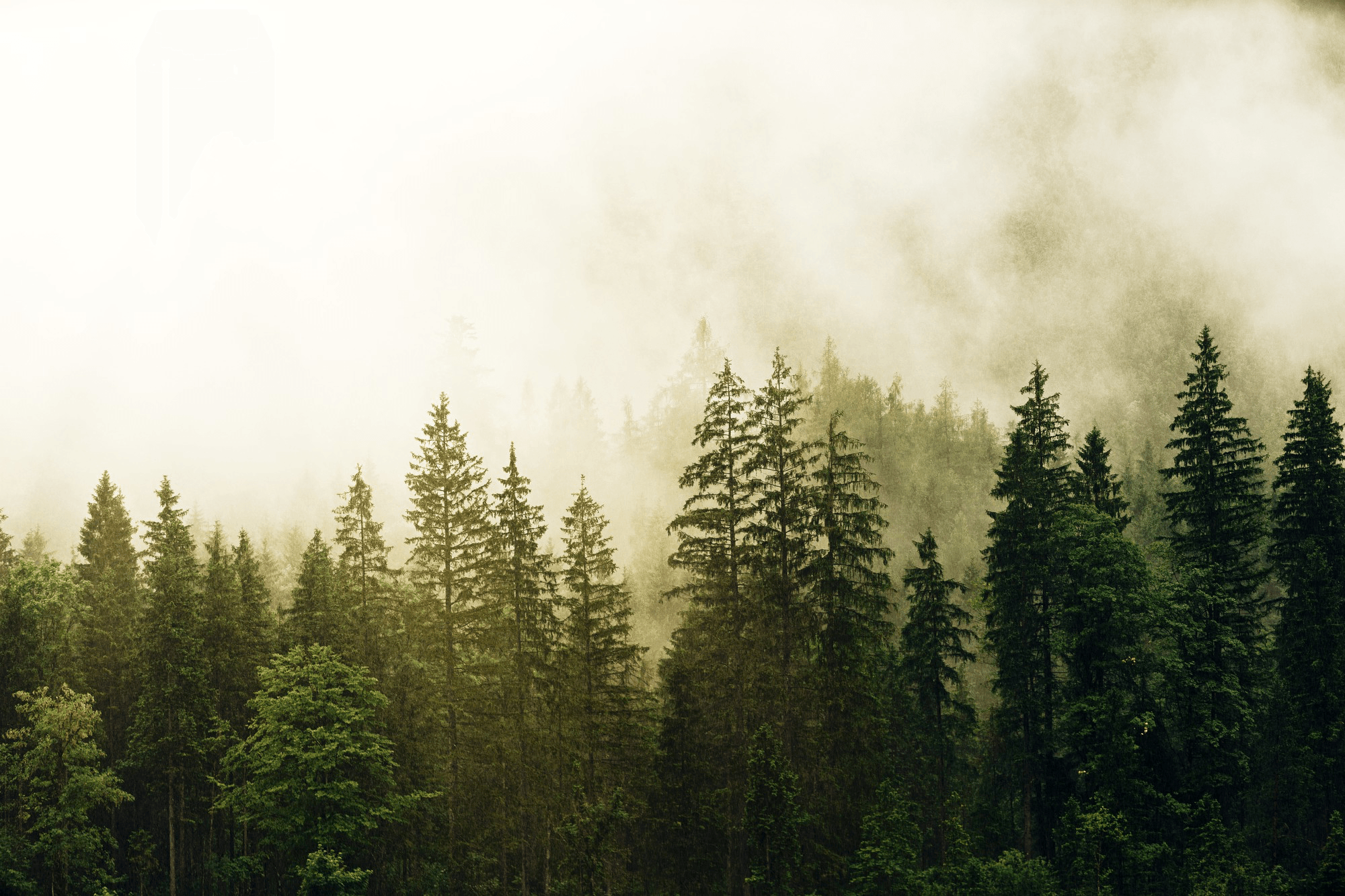
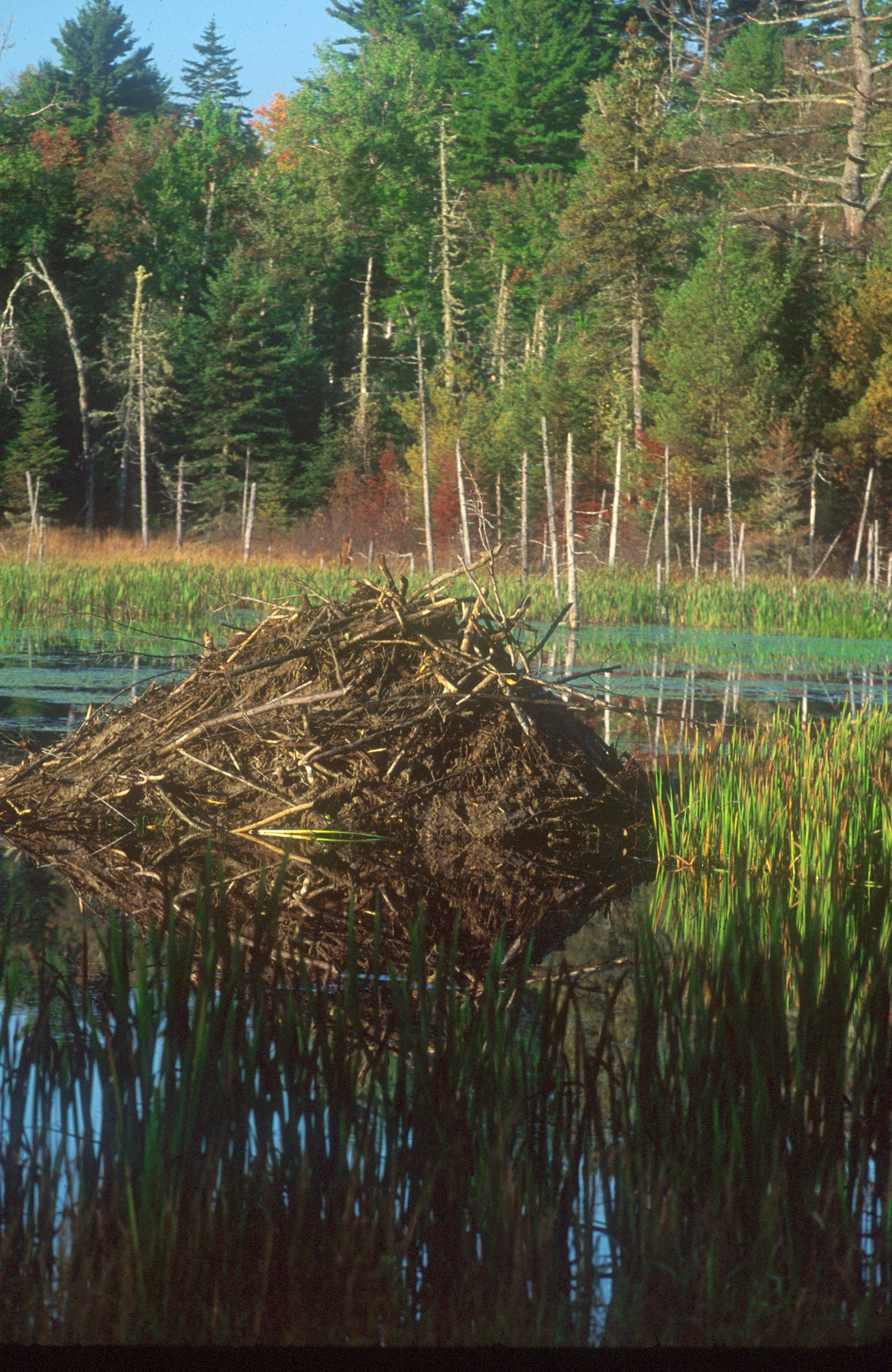
Every year thousands of migratory birds hitch a ride on the Eastern, or Atlantic, Flyway, which spans the skies from Maine to Florida. At the northernmost end of the route, many disembark at the 23,000-acre Moosehorn National Wildlife Refuge. Once scoured heavily by glaciers, the land of the refuge is primarily low, rolling hills dotted with many lakes, bogs, marshes, streams and rocky outcroppings. Although trees in this region have been significantly logged in the past, today a diverse forest stands here, a woodland of aspen, maple, birch, spruce and fir with scattered stands of white pine. Bald eagles frequent the refuge, and black bears and white-tailed deer are common. Despite the name, moose are not as common as you would expect, but ducks, geese and loons congregate on more than 50 lakes. Moosehorn is the only refuge where people study and manage the American woodcock, a reclusive bird that hides in dense cover of young forests during the day, feeds in clearings at night, and flies an amazing courtship ritual in spring. In November, deer hunting is allowed. The Wilderness is divided into two units: a section on the mainland, and the Birch Islands on the rocky Maine coast, where large tidal fluctuations are normal. There is also a separately designated Moosehorn (Baring Unit) Wilderness nearby.
Location
Reviews
No reviews yet.
U.S. Fish and Wildlife Service
- 0
- Reviews