Okefenokee Wilderness
Hosted by U.S. Fish and Wildlife Service
New listing
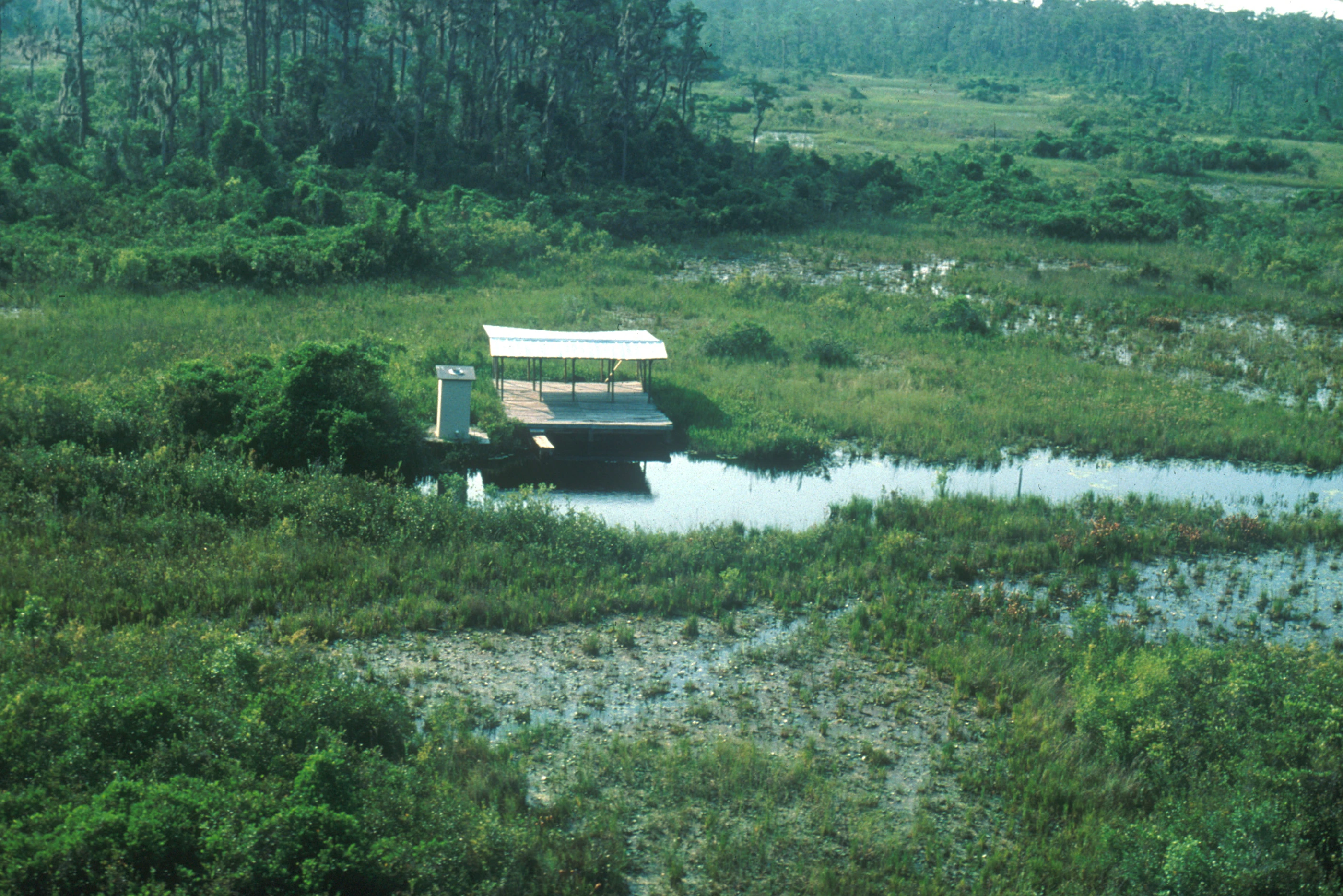
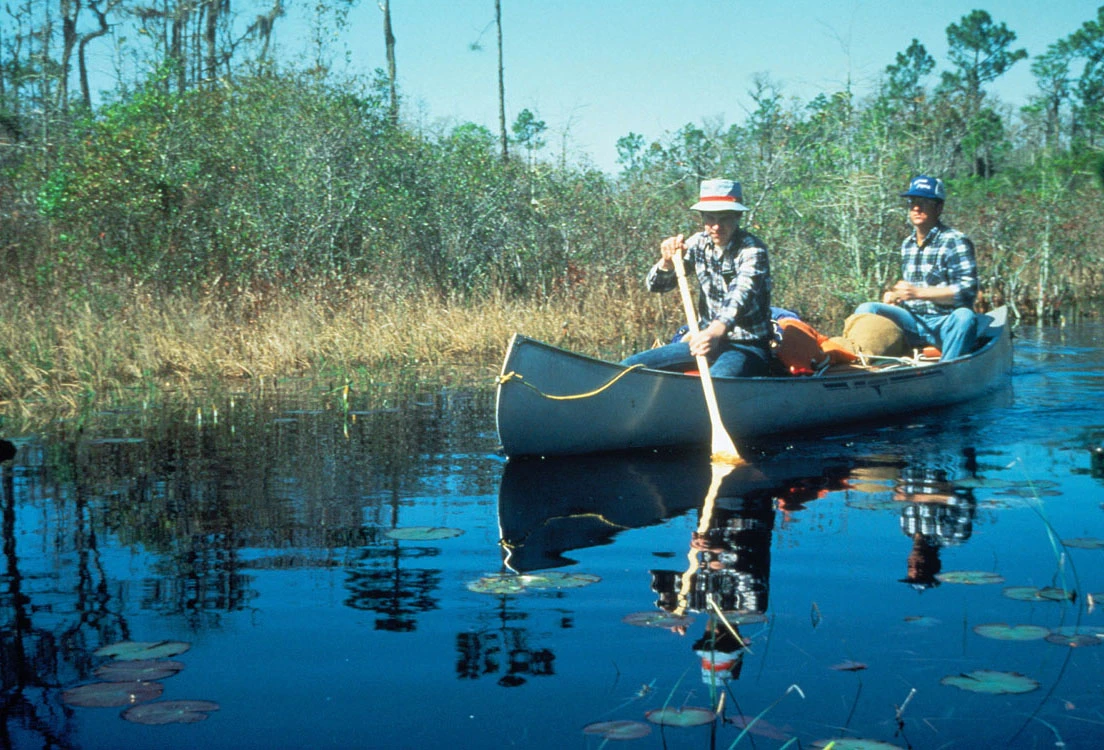
Imagine waking to a mist-enshrouded wetland, echoing with the calls of herons and ibis. Your camping site is a wooden platform surrounded by miles and miles of wet prairie or moss-covered cypress, and the only sounds are the calls of native wildlife and those you make on taking in such beauty. That is what a night in the Okefenokee National Wildlife Refuge Wilderness is like. The refuge encompasses the Okefenokee Swamp, one of the oldest and best-preserved freshwater areas in the country. This vast bog lies inside a huge depression that was once on the ocean floor, and the refuge extends just over the state line into Florida. The interior wetlands of the swamp within Georgia have been designated the state's largest Wilderness area. Native Americans called the swamp the "land of trembling earth," because the unstable peat deposits that cover much of the swamp floor tremble when stepped on; "Okefenokee" is a European interpretation of their words. The last Native Americans to seek sanctuary here, the Seminole, were driven out of the swamp and into Florida in 1850, and lived on to become the only Native Americans to refuse to sign a treaty with the U.S. government. The swamp forms the headwaters for two very distinct rivers. The historic Suwannee River originates in the heart of the swamp and flows southwest; the St. Marys River originates in the southeastern portion and flows to the Atlantic, forming part of the boundary between Georgia and Florida. The swamp provides a rich diversity of habitats — islands, lakes, cypress forests, scrub-shrub areas, and open wet prairies. Fire and water define them. Lakes and prairies are created after long droughts when fire burns off layers of vegetation and peat; rain water replenishes the swamp, filling the open spaces fire created; later cycles of drought lower water levels, causing vegetation and displaced peat blow-ups to cover the area again, and fire sweeps through once more. The Wilderness is managed by the Fish and Wildlife Service and was designated in 1974.
Location
Reviews
No reviews yet.
U.S. Fish and Wildlife Service
- 0
- Reviews