Photo unavailable
Upper Buffalo Wilderness
Hosted by U.S. Forest Service
New listing
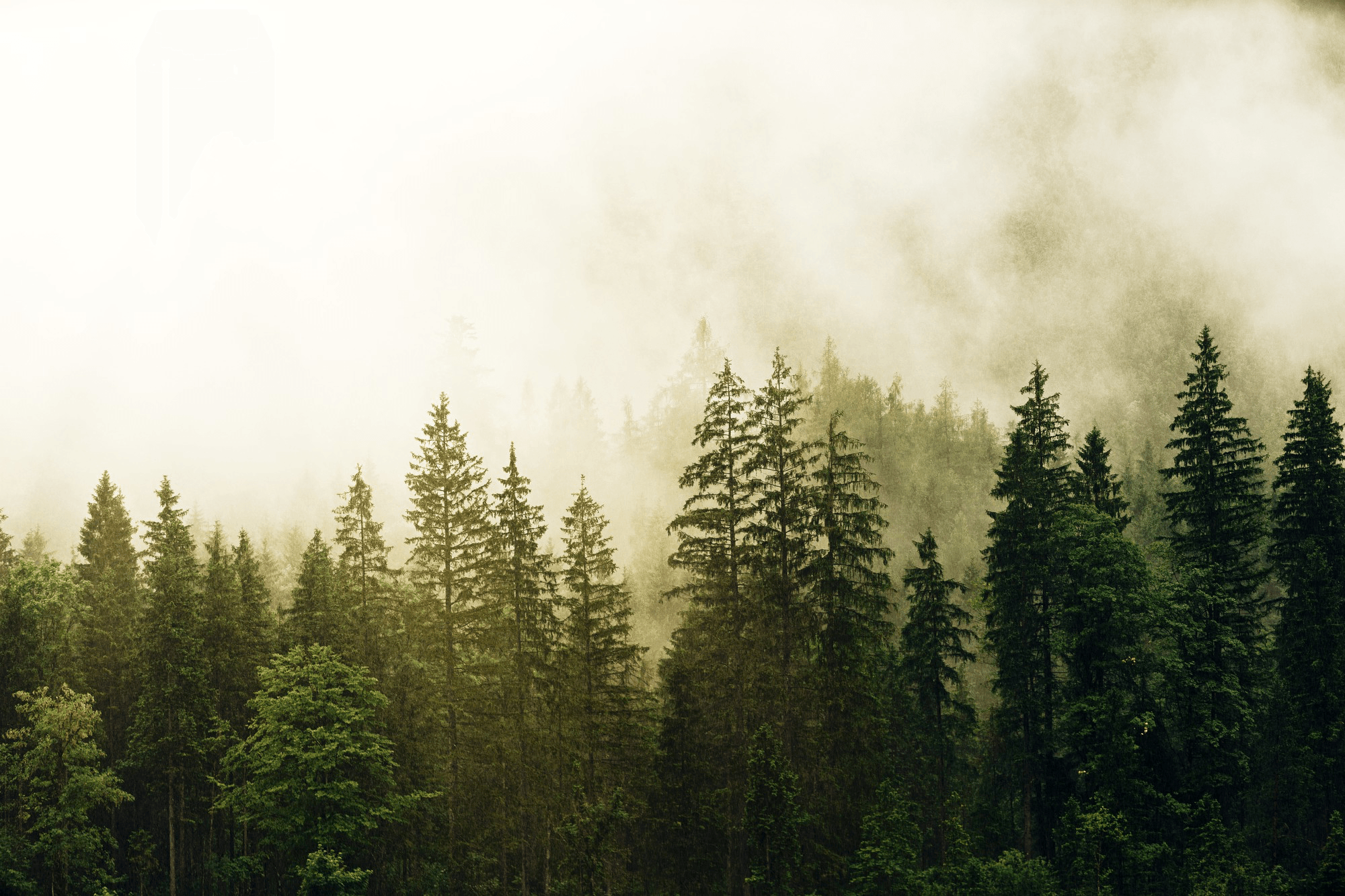
Here you will be among the headwaters of the extraordinarily pretty Buffalo National River, which flows down the center of this Wilderness through a rough forested land of steep slopes that descend into deep valleys. People once made their homes down in those valleys — the last resident moved out in 1948 — and you will still see their old homes, stone fences surrounding pastures, antiquated farm equipment, worn-out roads, and silent cemeteries. The area offers a measure of wildness and solitude not often found in Arkansas. The interior of the Upper Buffalo is so remote that the quality of its rich water supply, in runs and runnels and rivulets, is classified as excellent. No matter how clear the water looks, you would be wise to purify it before drinking. Squirrels are everywhere in the Upper Buffalo, and squirrel hunters report their success runs from good to superior, perhaps better than anywhere else in the southern United States. White-tailed deer, wild turkeys, and black bears are the largest resident species, with a fair number of smaller animals including foxes, raccoons, minks, beavers, skunks, opossums, bobcats, and woodchucks. White oaks, red oaks, and hickory populate the forest. The summer climate is known to be hot and humid. A few people choose to visit in winter, when January temperatures may drop below zero, ice encrusts a number of small waterfalls and hangs in frozen drips from overhangs, and a cold peace settles on the land. No matter what the season, you will have to find your way through the area without the assistance of maintained trails. Designated in 1975 and managed by the U.S. Forest Service.
Location
Reviews
No reviews yet.
U.S. Forest Service
- 0
- Reviews