Photo unavailable
Washakie Wilderness
Hosted by U.S. Forest Service
New listing
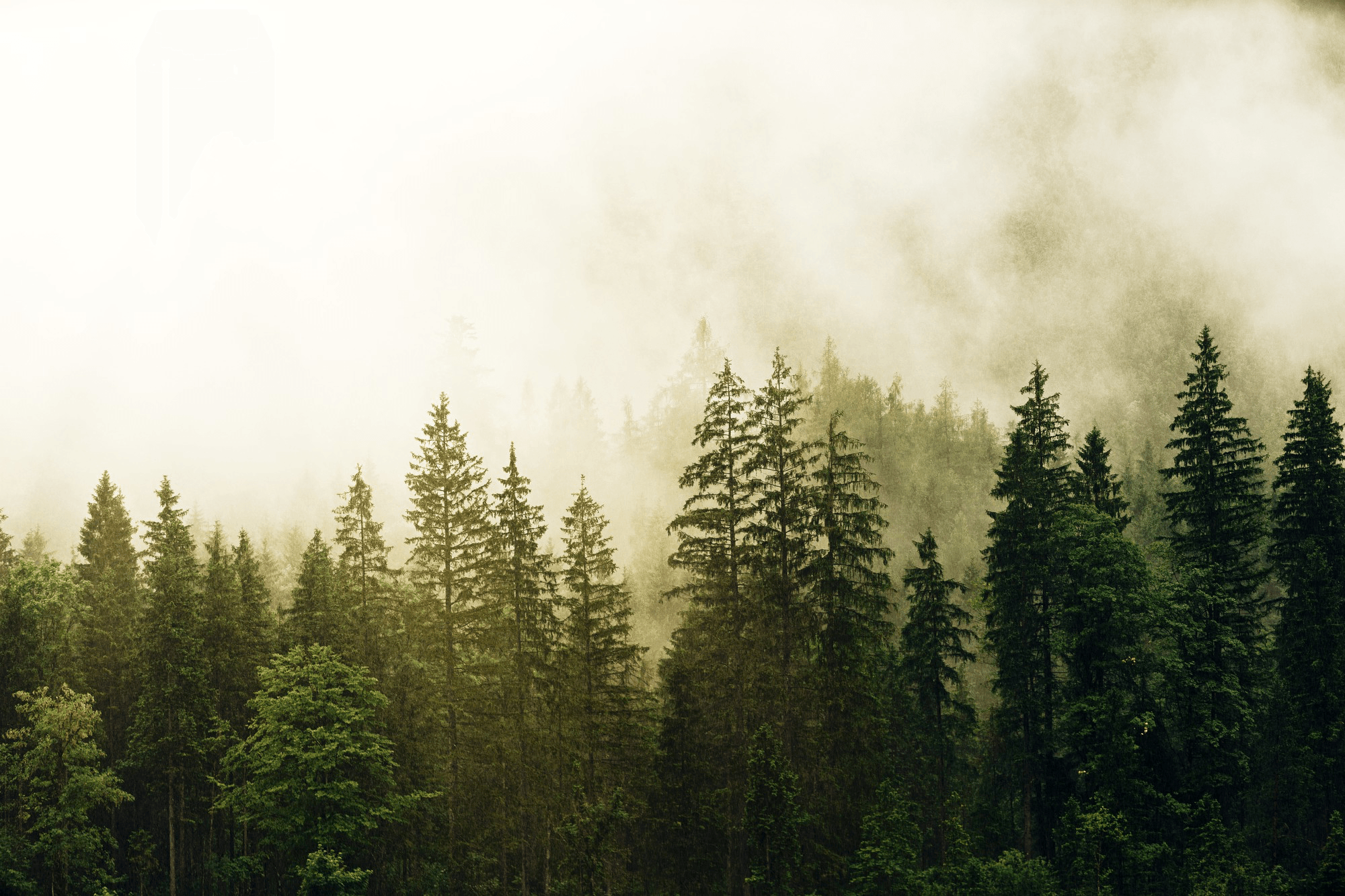
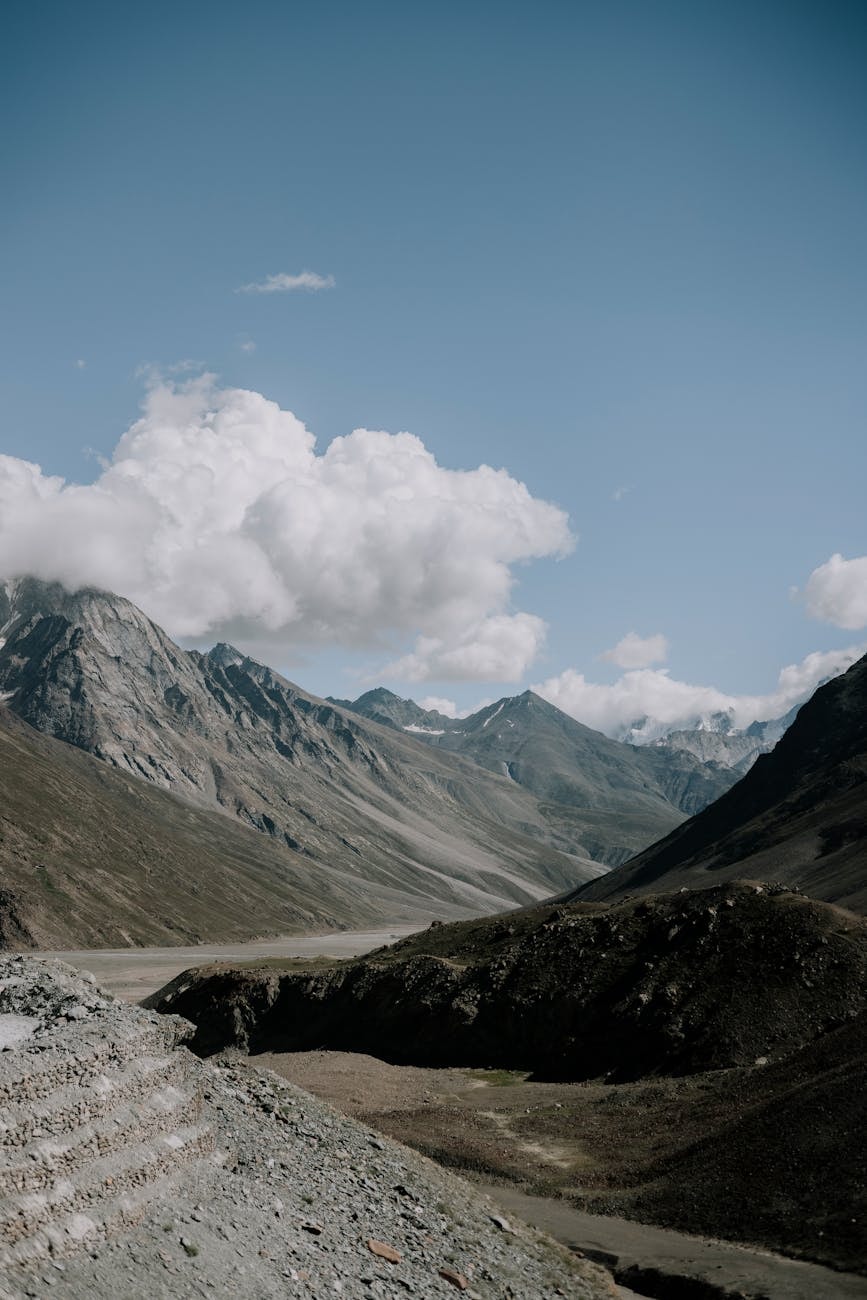
Chief Washakie was a historical figure and leader of the Shoshone tribe of Wyoming. In 1972 the Stratified Primitive Area was joined with South Absaroka Wilderness to form the Wilderness area, Wyoming's largest, that now bears his name. Yellowstone National Park borders to the northwest, Teton Wilderness to the west, and the Wind River Indian Reservation to the southeast, a combination of lands that stretches across a tremendous part of western Wyoming and is one of the greatest wild regions of America. In the southern Absarokas you will find broad, flat-topped mountains and plateaus separating narrow valleys deeply incised with exposed volcanic strata. This volcanic material lies primarily horizontal and has been eroded into irregular step-like cliffs and buttes. These unique geological formations, in addition to petrified forests and many fossils of long-gone plants and animals, are among the most attractive attributes of the area. Elevations range from about 6,600 feet to 13,153 feet, with peaks exceeding 12,000 feet scattered throughout. Large portions are rough and barren, vegetation is sparse, and approximately half the area is forested. With fewer lakes than the Wind River Mountains the fishing is less active here, but large streams do support trout. The wildlife population and diversity is extraordinary. Bobcats, coyotes, foxes, beavers, and numerous smaller furbearers, as well as bald eagles and peregrine falcons, can be spotted, and lucky visitors may see bull elk sparring or catch a glimpse of a moose. Hunters come for elk, moose, bighorn sheep, mule deer, and black bears. Grizzly bears, wolves, and mountain lions are numerous and on the increase, and travelers should take appropriate precautions. There are many miles of trails and the relative openness of much of the area encourages off-trail hiking. Snow may fall any day of the year in the higher country, summer temperatures rarely rise above 80 degrees Fahrenheit, and rain showers are common in late summer. Groups may not exceed 20 people or 30 combined head of stock, camping within 50 feet of any trail is prohibited, and occupying a single location for more than 16 days is not allowed.
Location
Reviews
No reviews yet.
U.S. Forest Service
- 0
- Reviews