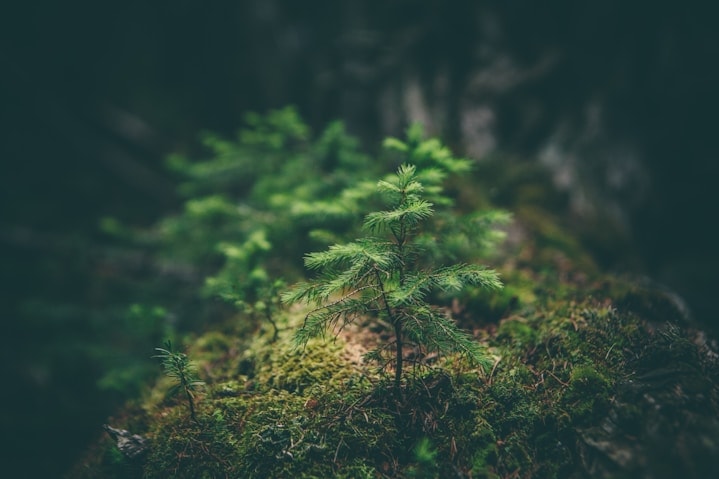
The Ranger's Guide to Quiet Season in the National Parks
The parks everyone photographs in July look like an entirely different country in the six weeks before and after peak season.
Sofia Reyes
1 min read · Published on 06/10/2026
I spent four seasons at entrance stations before I understood the actual secret of the job: the parks aren't crowded, the calendar is. Roughly ninety percent of a park's visitors arrive in about twelve weeks a year. Outside that window, the same trailhead that had a forty-car line in July might have three cars in late September.
Shoulder season isn't a compromise version of the trip — it's a different trip. Wildlife that avoids peak-season foot traffic comes back. Water levels in waterfalls and rivers, swollen by snowmelt in May or fall rain in October, run louder and fuller than the trickle most July photos show. And rangers, finally not answering the same six questions on repeat, have time to actually talk.
What You Give Up
Be honest with yourself about the trade. Some facilities close early or late season — visitor centers on reduced hours, some backcountry roads gated by snow, a shuttle system that stops running the week after Labor Day. Call ahead. The parks reward planning in the off months in a way they don't when everything's simply open.
My favorite week of the year, every year, was the first week of October: aspens turning gold, campgrounds half empty, and a permit desk where I actually had time to draw you a real map instead of pointing at a laminated one. That's not a secret anymore. But it's still true.
Related Articles
The Ranger's Guide to Quiet Season in the National Parks
The parks everyone photographs in July look like an entirely different country in the six weeks before and after peak season.
The Ranger's Guide to Quiet Season in the National Parks
The parks everyone photographs in July look like an entirely different country in the six weeks before and after peak season.
The Long Way Home: A Trail Runner's Season on the PCT
Four hundred miles, three pairs of shoes, and the section of trail that finally taught me to stop counting.
The Long Way Home: A Trail Runner's Season on the PCT
Four hundred miles, three pairs of shoes, and the section of trail that finally taught me to stop counting.
Comments
Sign in to comment on this story.
No comments yet — start the conversation.