Half Dome Permits
Hosted by National Park Service
New experience
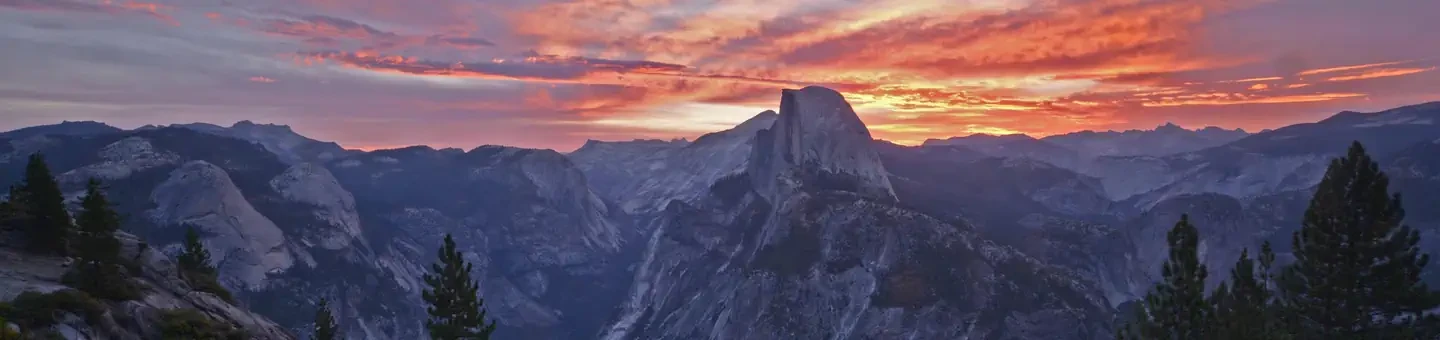
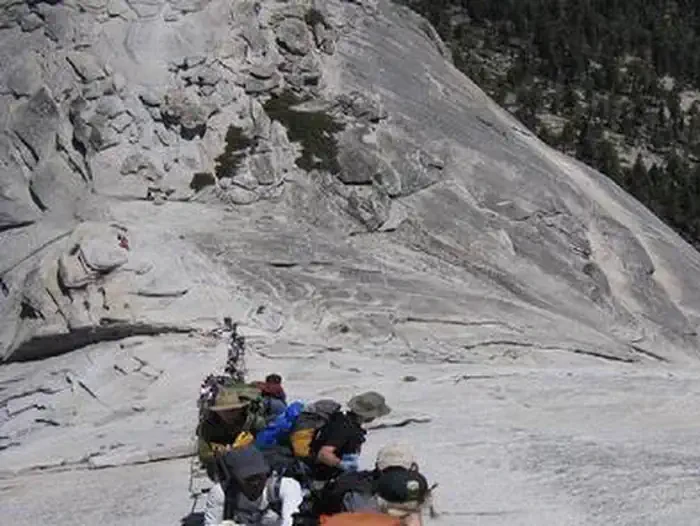
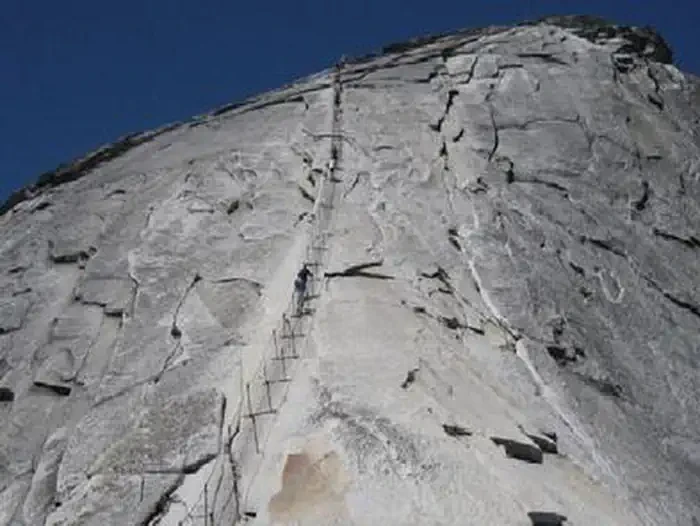
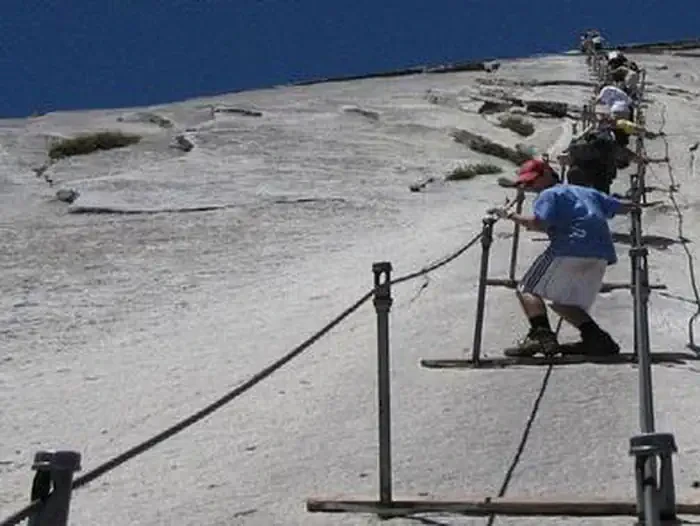
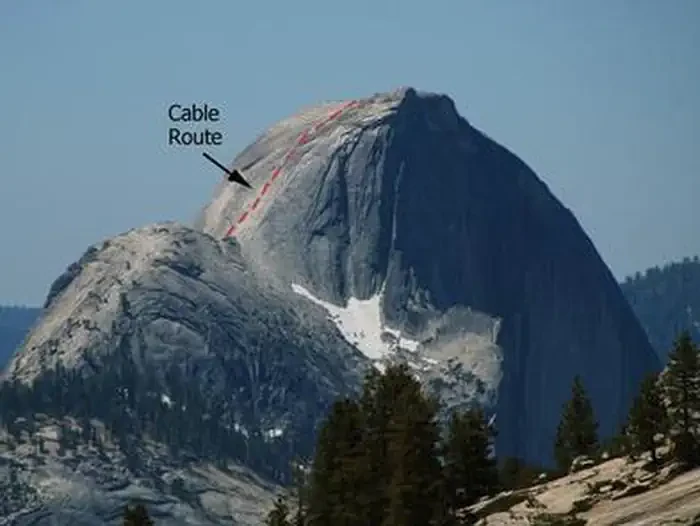
Rising nearly 5,000 feet above Yosemite Valley and 8,800 feet above sea level, Half Dome is a Yosemite icon and a great challenge to many hikers. Despite an 1865 report declaring it was "perfectly inaccessible, being probably the only one of the prominent points about the Yosemite which never has been, and never will be, trodden by human foot," George Anderson reached the summit in 1875, and in the process created the predecessor for today's cable route. Today, thousands of people reach the summit. For most, it is an exciting, arduous hike; for a few, it becomes more adventure than they bargained for. Every summer park rangers must assist hundreds of people on the Half Dome trail. The most famous — or infamous — part of the hike is the ascent up the cables. The two metal cables allow hikers to climb the last 400 feet to the summit without rock climbing equipment. Since 1919, relatively few people have fallen and died on the cables; however, injuries are not uncommon for those acting irresponsibly. The 14- to 16-mile round-trip hike is not for the out of shape or unprepared visitor. Hikers gain an elevation of 4,800 feet on their way to the top, but the reward is worth the effort: along the way you'll encounter outstanding views of Vernal and Nevada Falls, Liberty Cap, Half Dome, and — from the subdome and summit — panoramic views of Yosemite Valley and the High Sierra. It takes most people 10 to 12 hours to hike to Half Dome and back. If you plan on hiking during the day, it's smart to leave before or at sunrise, with a non-negotiable turn-around time. Check sunrise and sunset times before you embark, and always bring a flashlight or headlamp with good batteries. Although the trail is well marked, you should be prepared with a good topographic map and compass, and the ability to use them. The Half Dome cables are put up each spring and taken down each fall. Traditionally, the first day the cables are up is the Friday before Memorial Day, and the last day is the Tuesday after Columbus Day; environmental conditions dictate the actual dates the cables are put up, maintained and taken down for the season. A permit is required to ascend the subdome steps and Half Dome cables, distributed through two lottery processes. A preseason lottery held during the month of March allows hikers to plan their trip well in advance, with results announced mid-April and approximately 225 permits available each day. Daily lotteries are held throughout the hiking season, run two days prior to any day that the cables are up, with results announced the following day; the application period for each daily lottery is from midnight to 1 p.m. Pacific time, and approximately 50 permits are available each day, though the actual number varies due to preseason results and cancellations. A person may apply as a trip leader only once per lottery — people applying multiple times as trip leader will have all their applications cancelled. For the preseason lottery, each application allows for up to seven date choices. The maximum group size for an application is 6. The person applying is the designated trip leader and may identify a single alternate; for a group to pass beyond the Subdome Check Point, the trip leader or alternate must be present with government-issued photo identification and a copy of the permit.
Location
Yosemite, CA
To respect the Host's privacy, the precise address of this land will be provided after booking
Site features
Half Dome Cables
Rising nearly 5,000 feet above Yosemite Valley and 8,800 feet above sea level, Half Dome is a Yosemite icon and a great challenge to many hikers. Despite an 1865 report declaring it was perfectly inaccessible, being probably the only one of the prominent points about the Yosemite which never has been, and never will be, trodden by human foot, George Anderson reached the summit in 1875, in the process creating the predecessor to todays cable route.The 14 to 16-mile round-trip hike to Half Dome is not for you if youre out of shape or unprepared. You will be gaining elevation (a total of 4,800 feet) most of your way to the top of Half Dome. Most say the reward is worth the effort. Along the way, youll encounter outstanding views of Vernal and Nevada Falls, Liberty Cap, Half Dome, and--from the subdome and summit--panoramic views of Yosemite Valley and the High Sierra.
Reviews
No reviews yet.
National Park Service
- 0
- Reviews
Meet your host, National Park Service
You might also like...
Grand Avenue
Mammoth Cave, KY
NewFee Unknown
Self-Guided Tour
Carlsbad, NM
NewFee Unknown

Kirtland's Warbler Guided Tour
Mio, MI
NewFee Unknown
Extended Historic Tour
Mammoth Cave, KY
NewFee Unknown
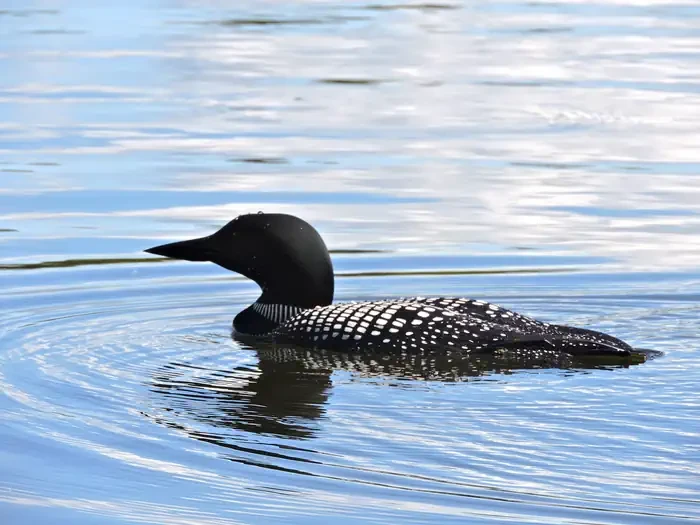
Life on the Lake Tour
International Falls, MN
NewFee Unknown
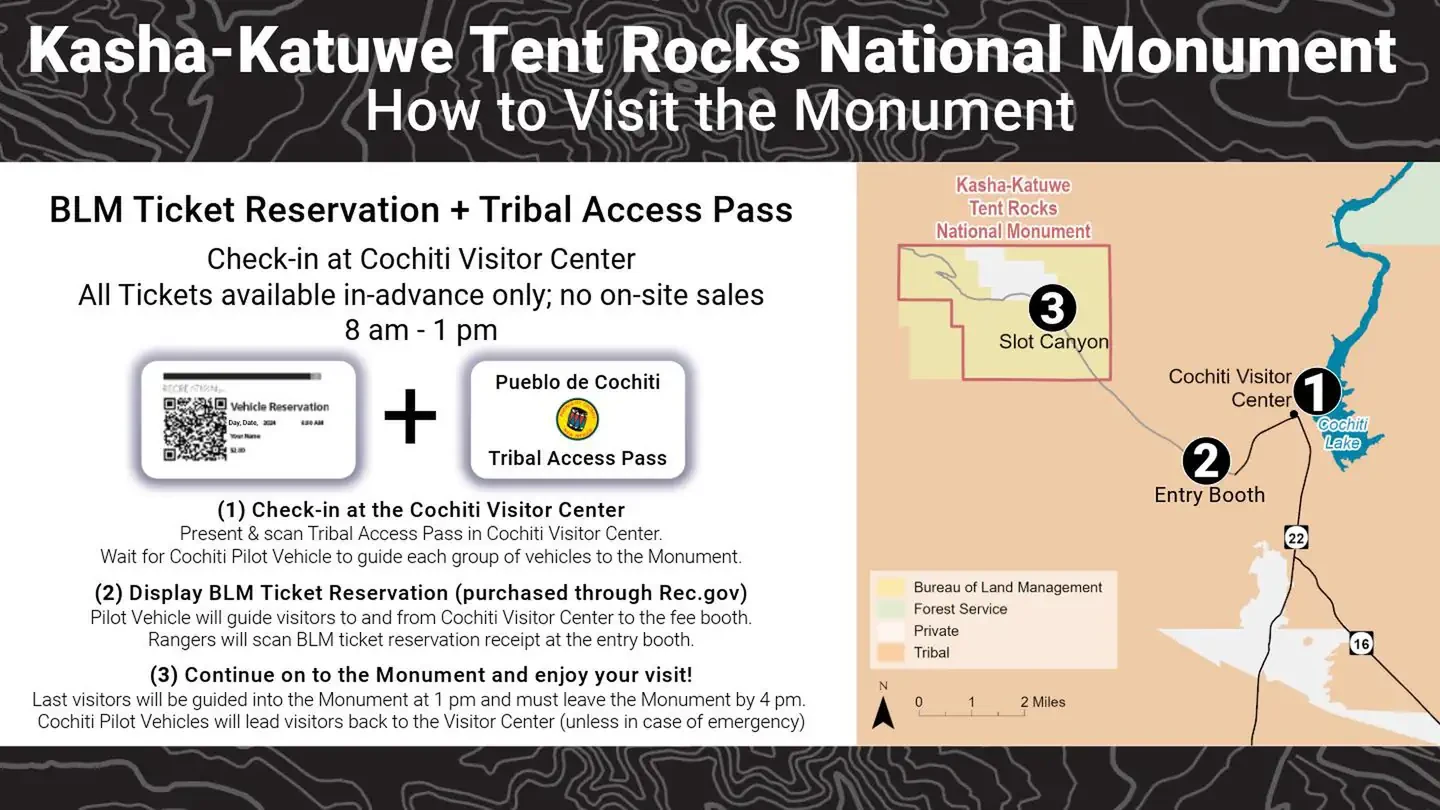
Kasha Katuwe Tent Rocks National Monument Ticketed Entry
Albuquerque, NM
NewFee Unknown
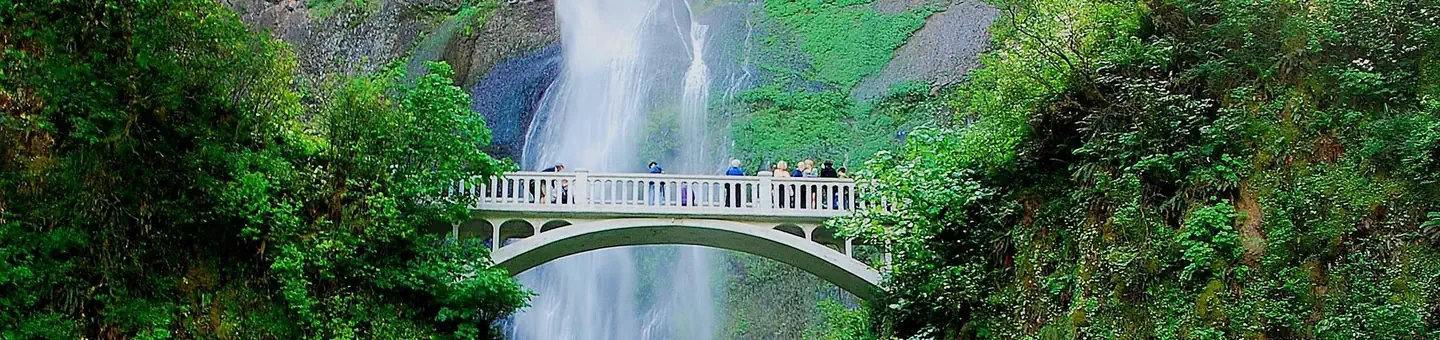
(Deactivated) Multnomah Falls Timed Reservation Tickets
Bridal Veil, OR
NewFee Unknown
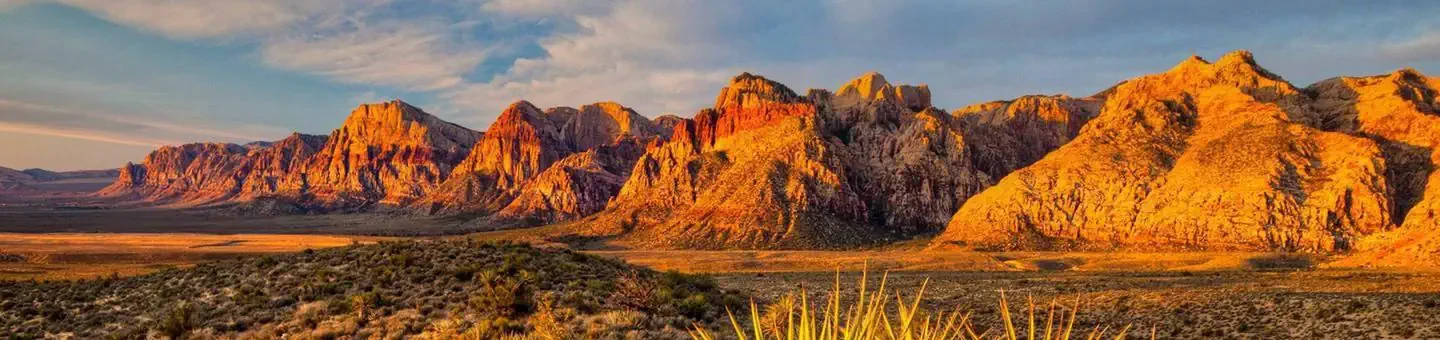
Red Rock Canyon National Conservation Area Scenic Drive Timed Entry
Las Vegas, NV
NewFee Unknown