Lehman Caves Tours
Hosted by National Park Service
New experience
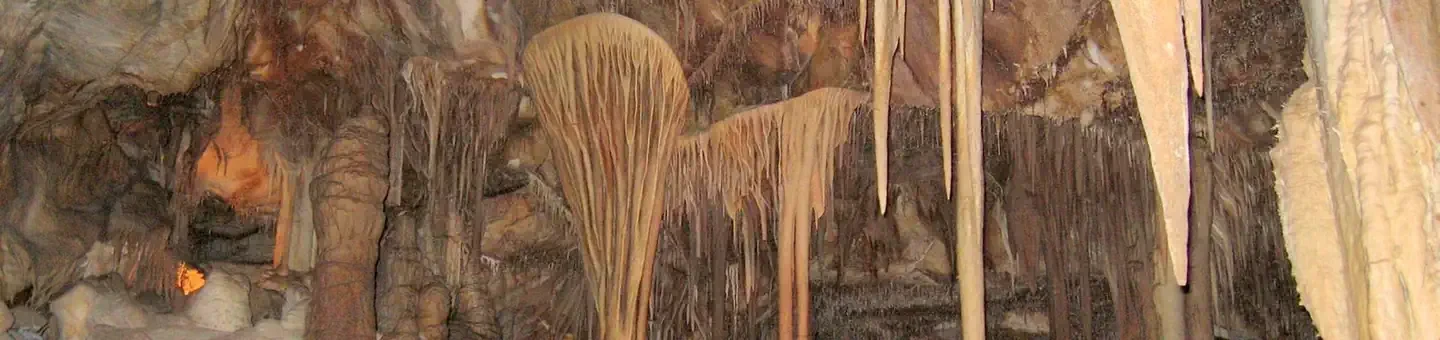
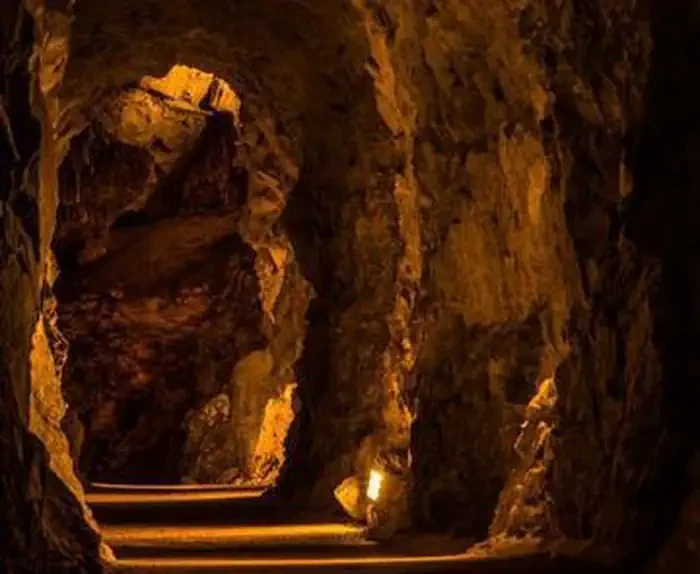
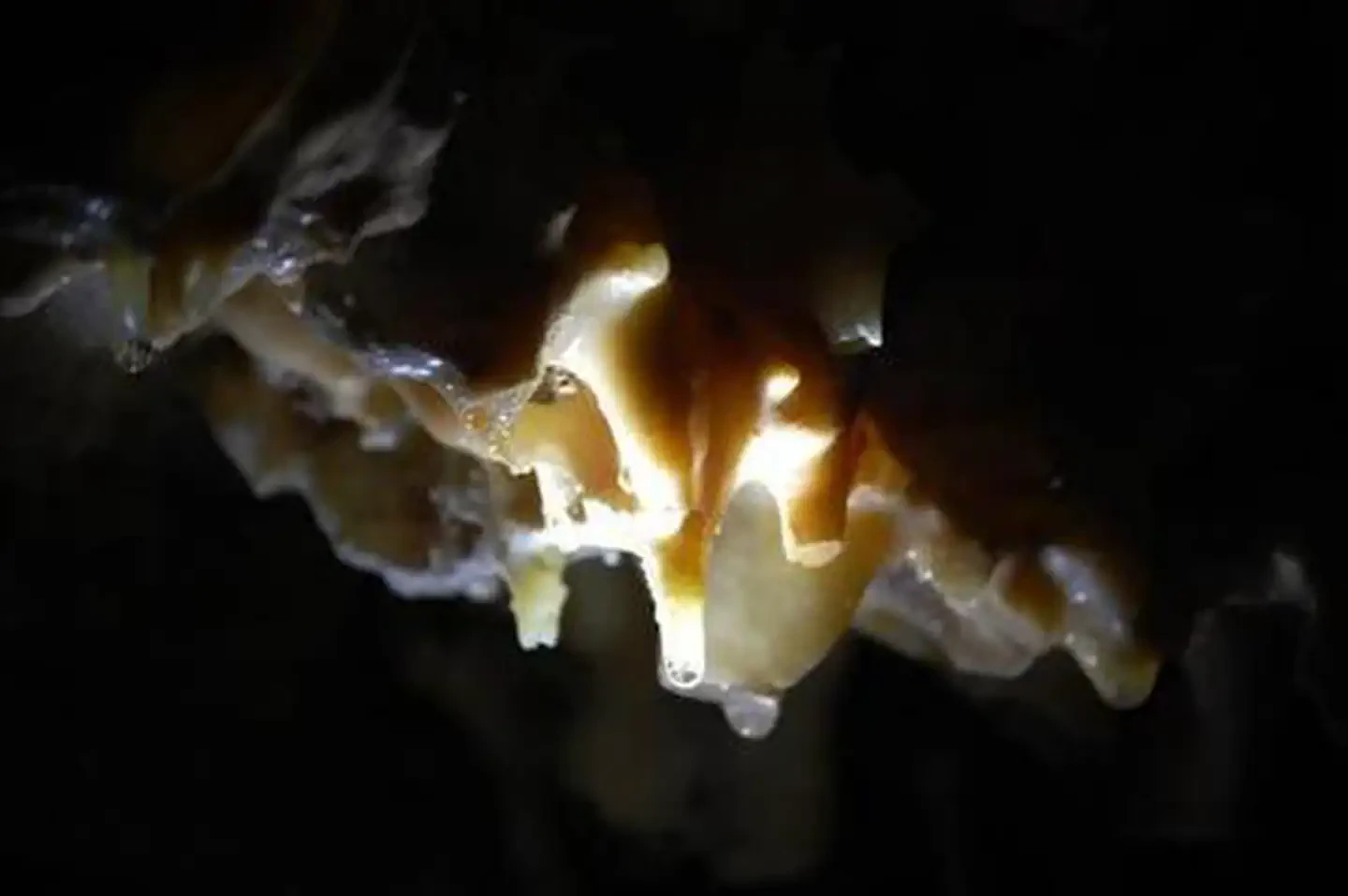
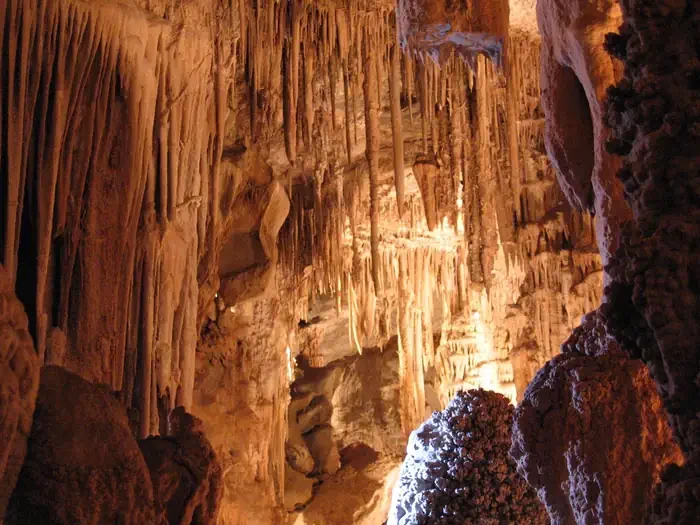
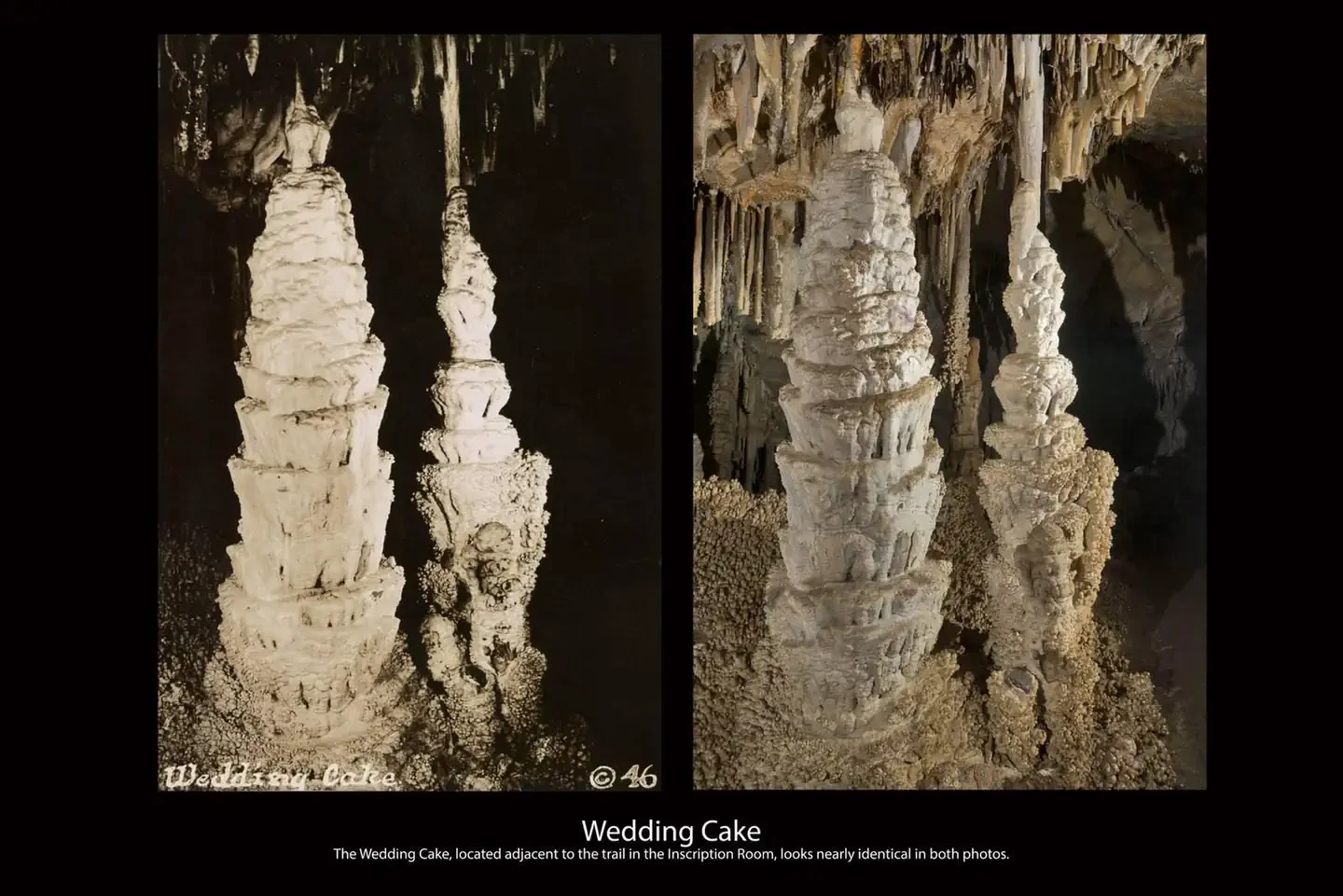
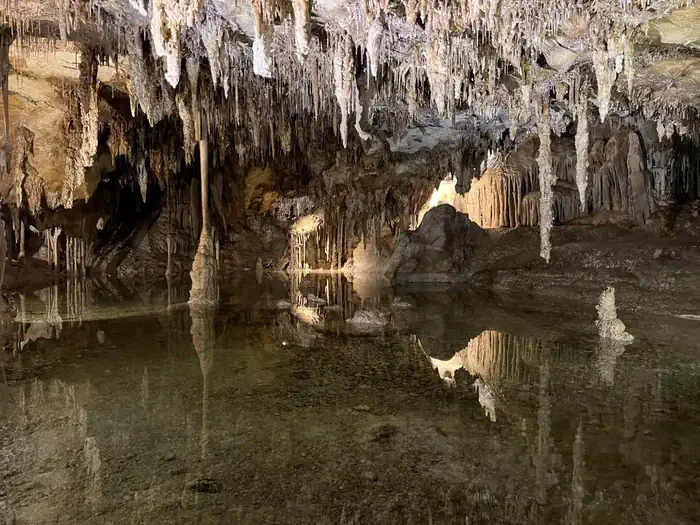
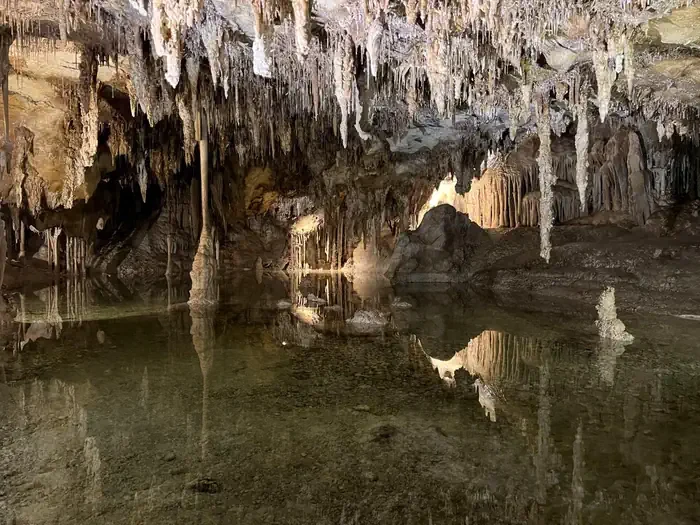
Great Basin National Park awaits your discovery. Experience the solitude of the desert, the smell of sagebrush after a thunderstorm, the darkest of night skies, and the beauty of Lehman Caves. Take the scenic drive to the face of 13,063 foot Wheeler Peak or see 5,000 year old Bristlecone pine trees grow on rocky glacial moraines. Lehman Caves is an excellent example of a limestone solution cavern. Its beginning can be traced back 550 to 600 million years ago, when a warm shallow sea covered most of what is now Nevada and Utah. Over the next 400 million years, sea creatures lived and died, piling layers of calcium carbonate-rich sediment on the ocean floor, and these sediments gradually solidified into limestone rock. Millions of years ago, these limestone layers were uplifted, exposing them to the elements. For millennia, rain and melting snow soaked through the soil and combined with carbon dioxide gas from decaying plants and animals to form a weak solution of carbonic acid. This acidic solution trickled downward through tiny cracks until it reached the water table, slowly dissolving the limestone around them. These cracks grew into the rooms and passageways that make up Lehman Caves. Over time the water table dropped and the water drained out of these underground chambers. Seeping water continued to enter the air-filled chambers, every droplet carrying a small amount of dissolved limestone; when exposed to the open air the carbon dioxide gas escaped, and calcite and other minerals formed deposits along the walls, ceilings and floors. These same processes of growth continue today, slowly decorating the passages and rooms with stalactites, columns, draperies, flowstone, helictites, and rare shield formations.
Location
Baker, NV
To respect the Host's privacy, the precise address of this land will be provided after booking
Reviews
No reviews yet.
National Park Service
- 0
- Reviews
Meet your host, National Park Service
You might also like...
Grand Avenue
Mammoth Cave, KY
NewFee Unknown
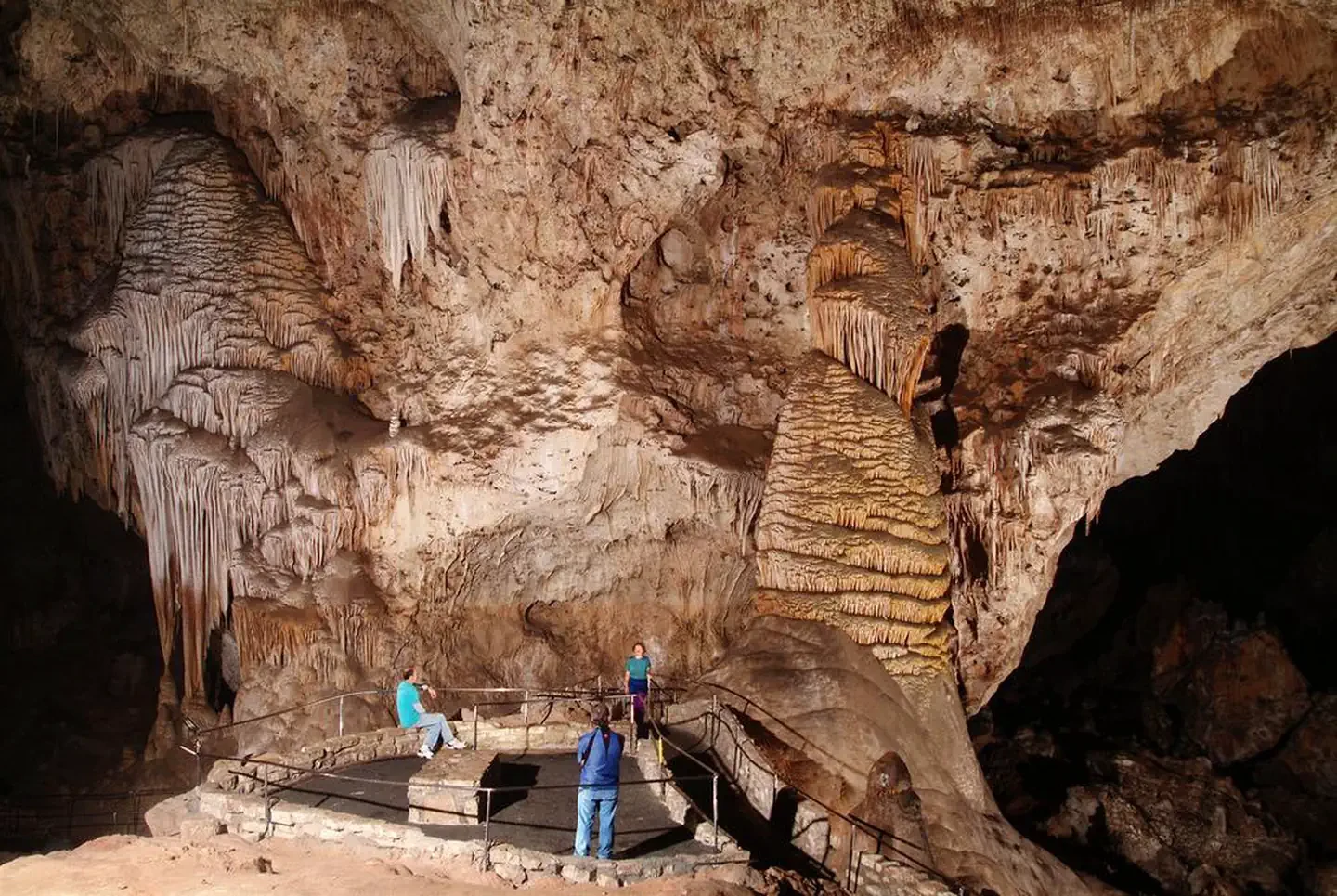
Self-Guided Tour
Carlsbad, NM
NewFee Unknown
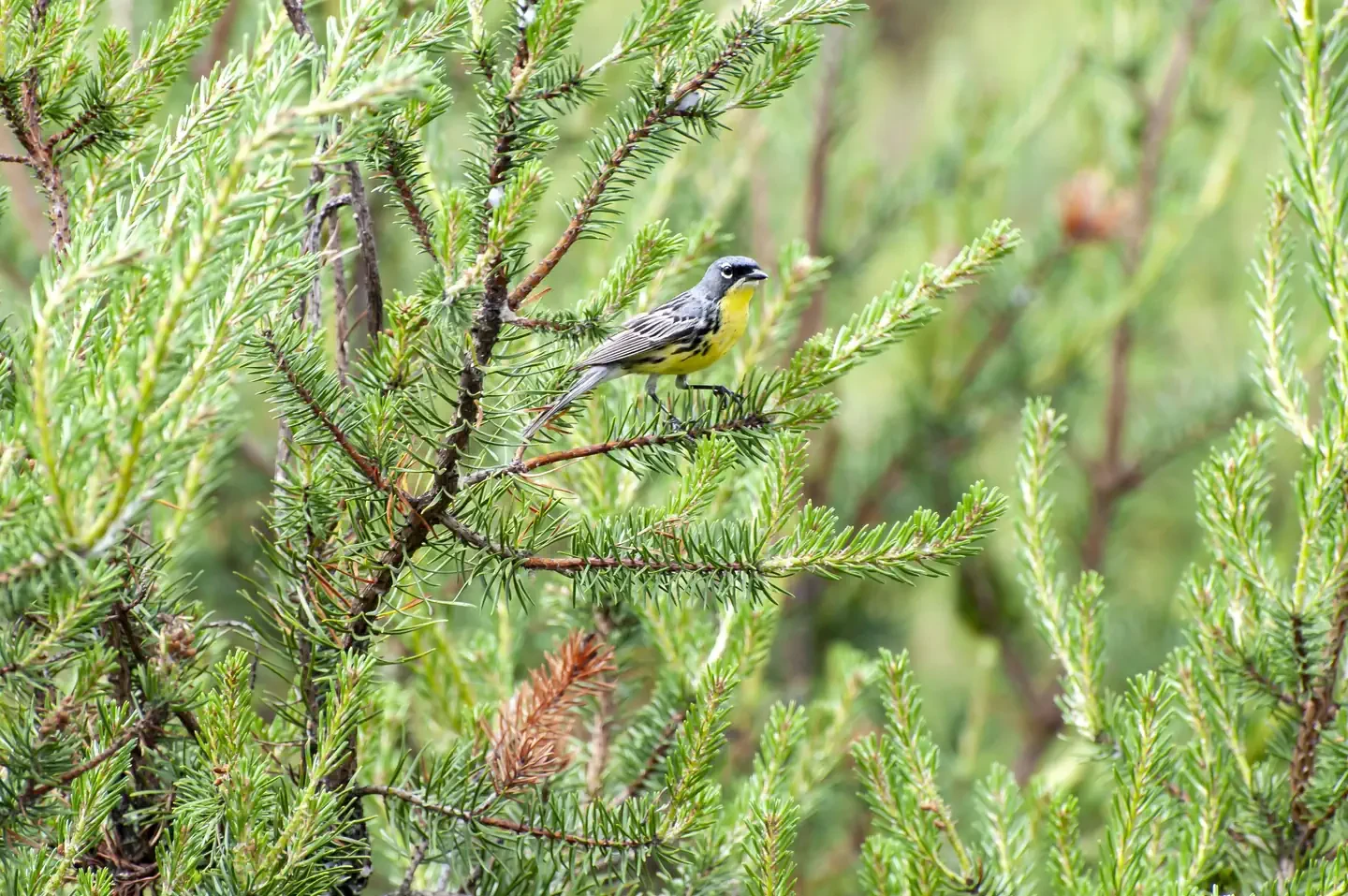
Kirtland's Warbler Guided Tour
Mio, MI
NewFee Unknown
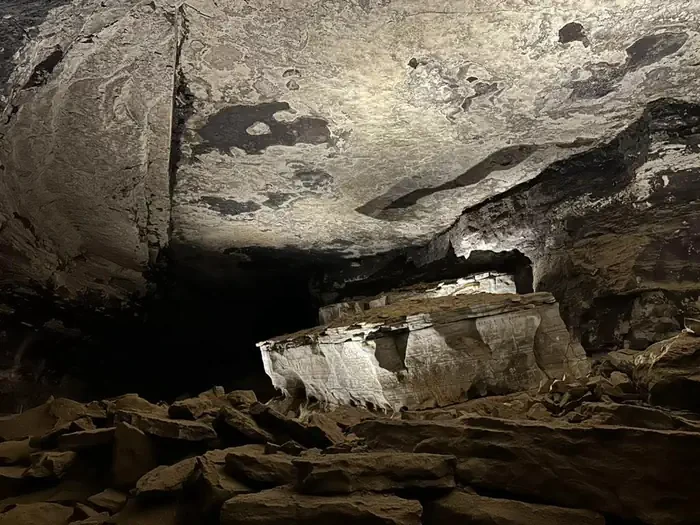
Extended Historic Tour
Mammoth Cave, KY
NewFee Unknown
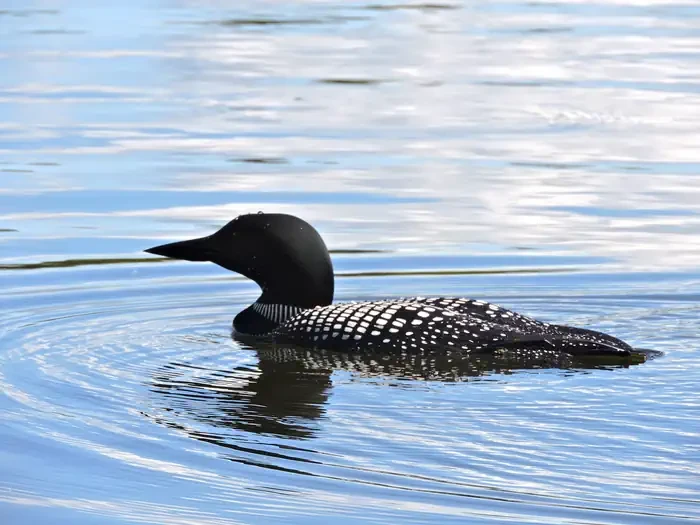
Life on the Lake Tour
International Falls, MN
NewFee Unknown
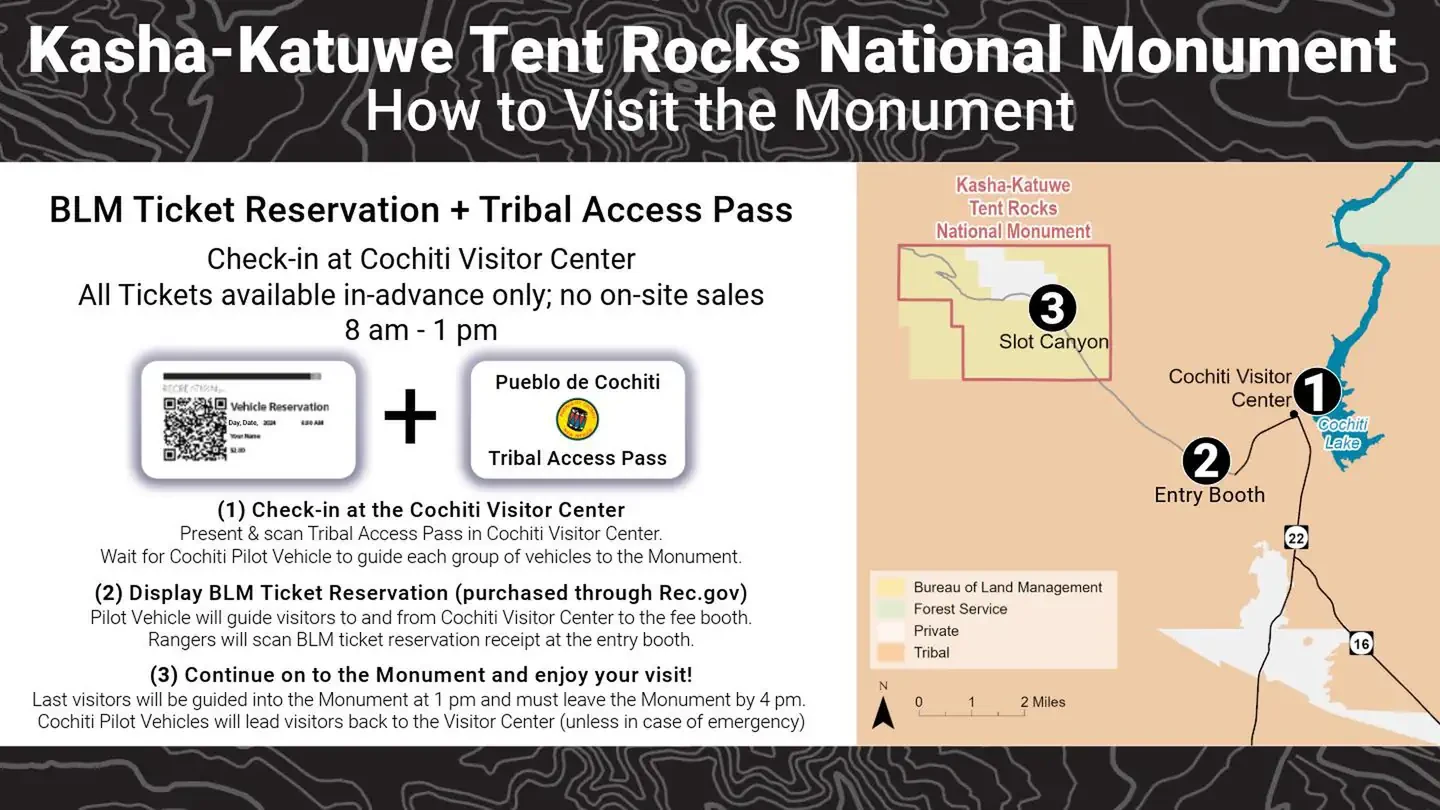
Kasha Katuwe Tent Rocks National Monument Ticketed Entry
Albuquerque, NM
NewFee Unknown
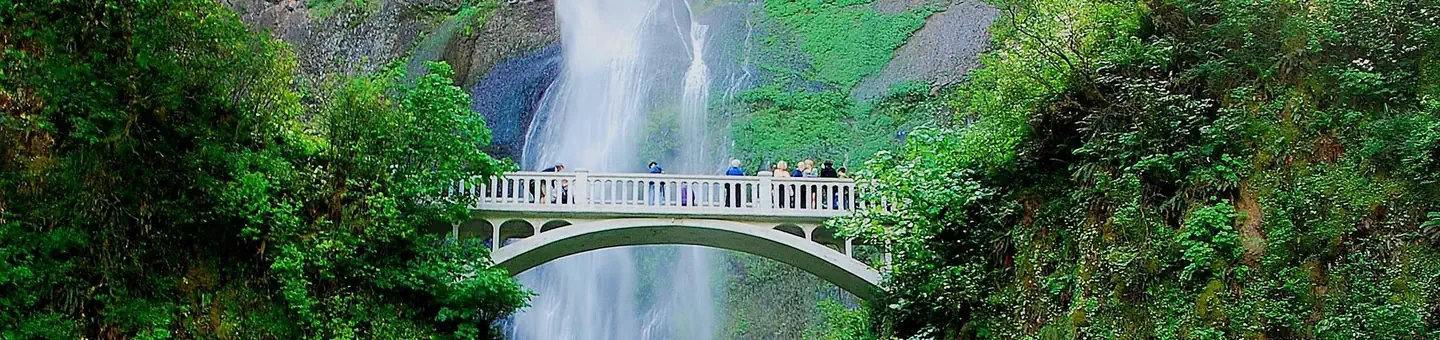
(Deactivated) Multnomah Falls Timed Reservation Tickets
Bridal Veil, OR
NewFee Unknown
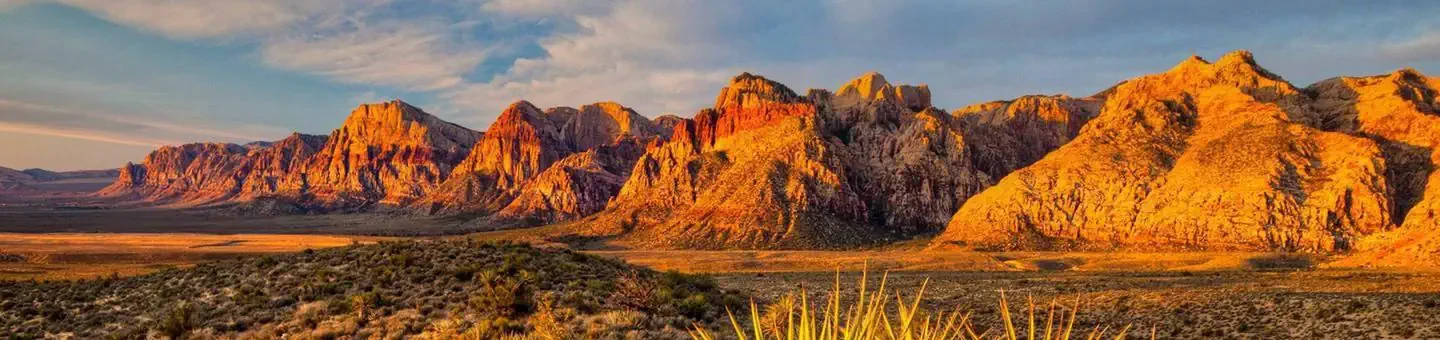
Red Rock Canyon National Conservation Area Scenic Drive Timed Entry
Las Vegas, NV
NewFee Unknown