Ruby Horsethief Canyon Permits
Hosted by Bureau of Land Management
New experience
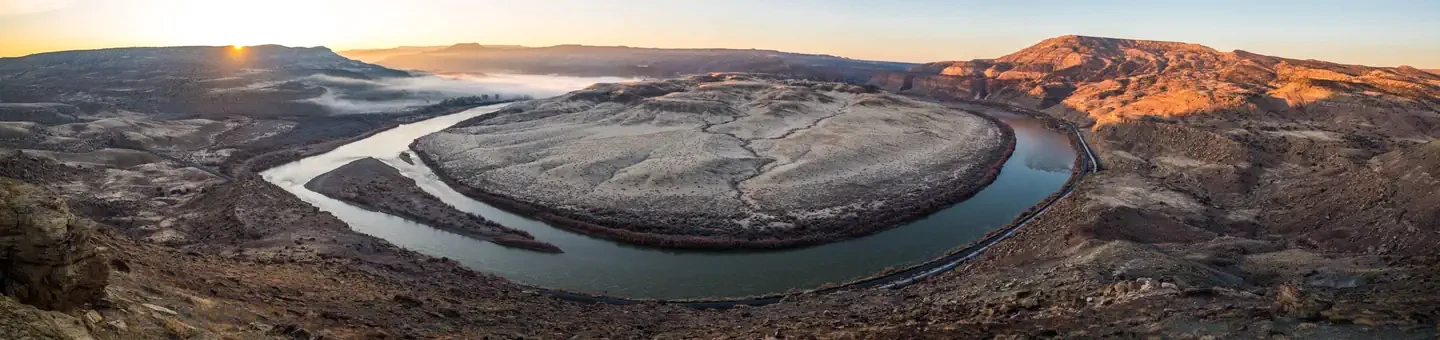
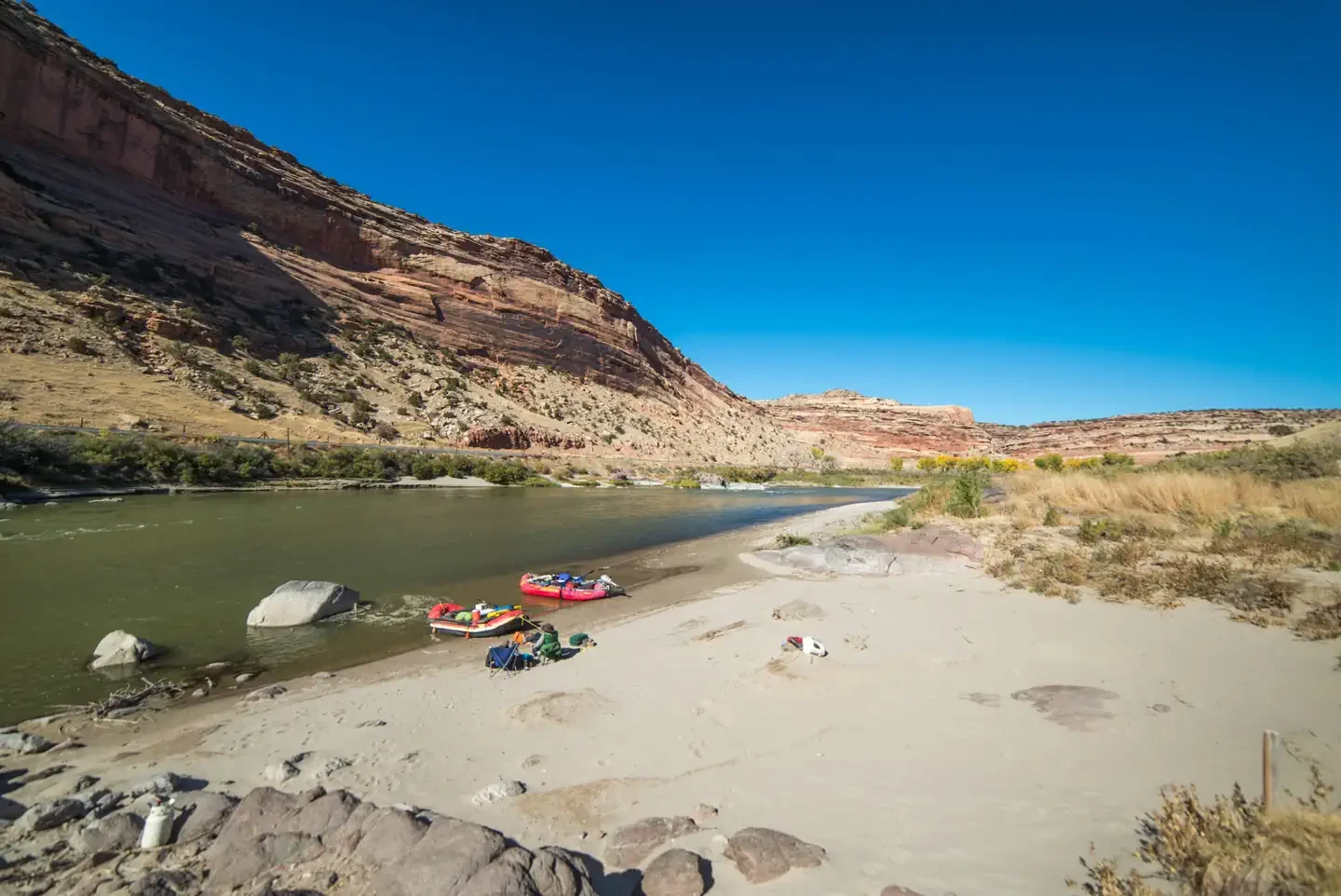
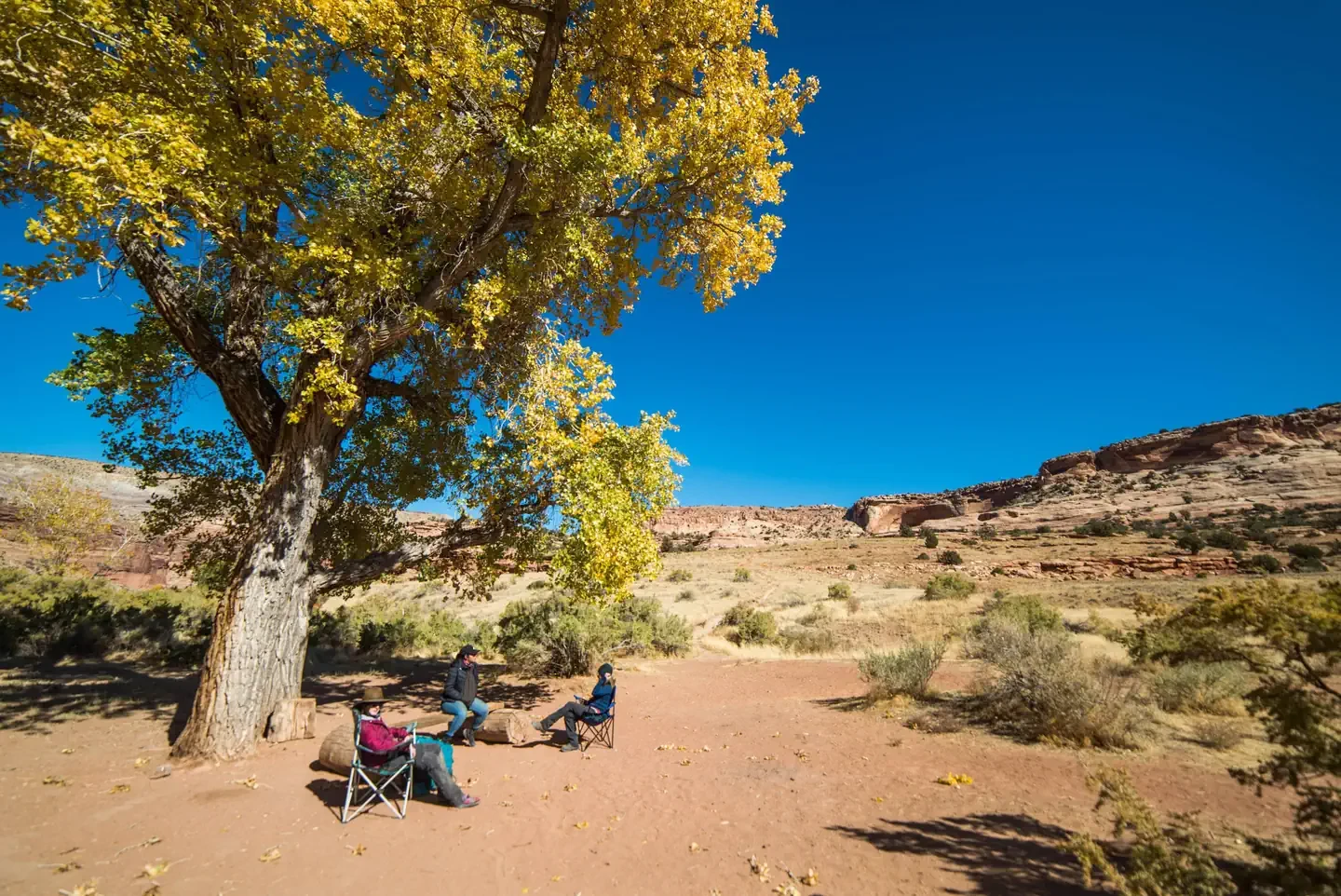
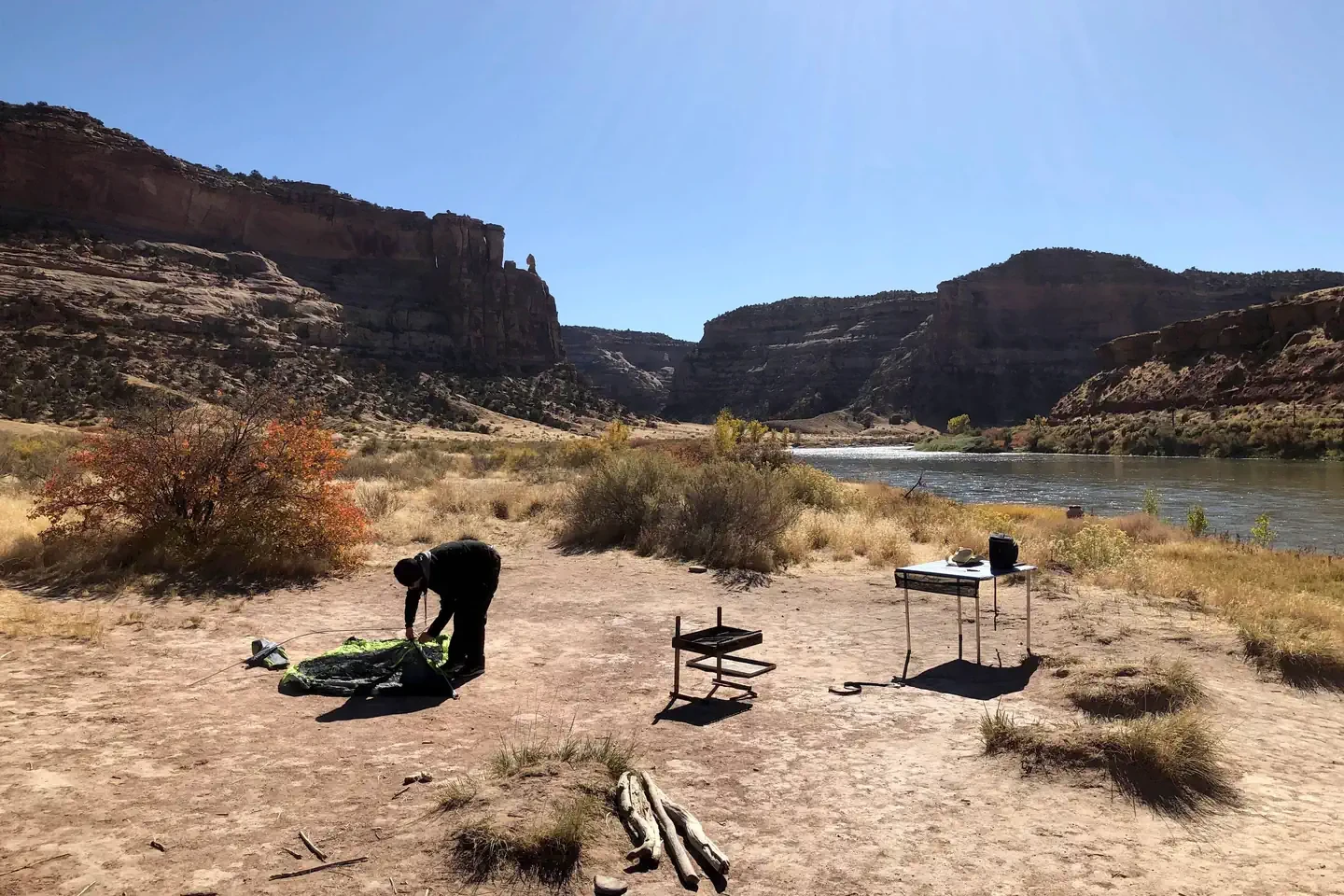
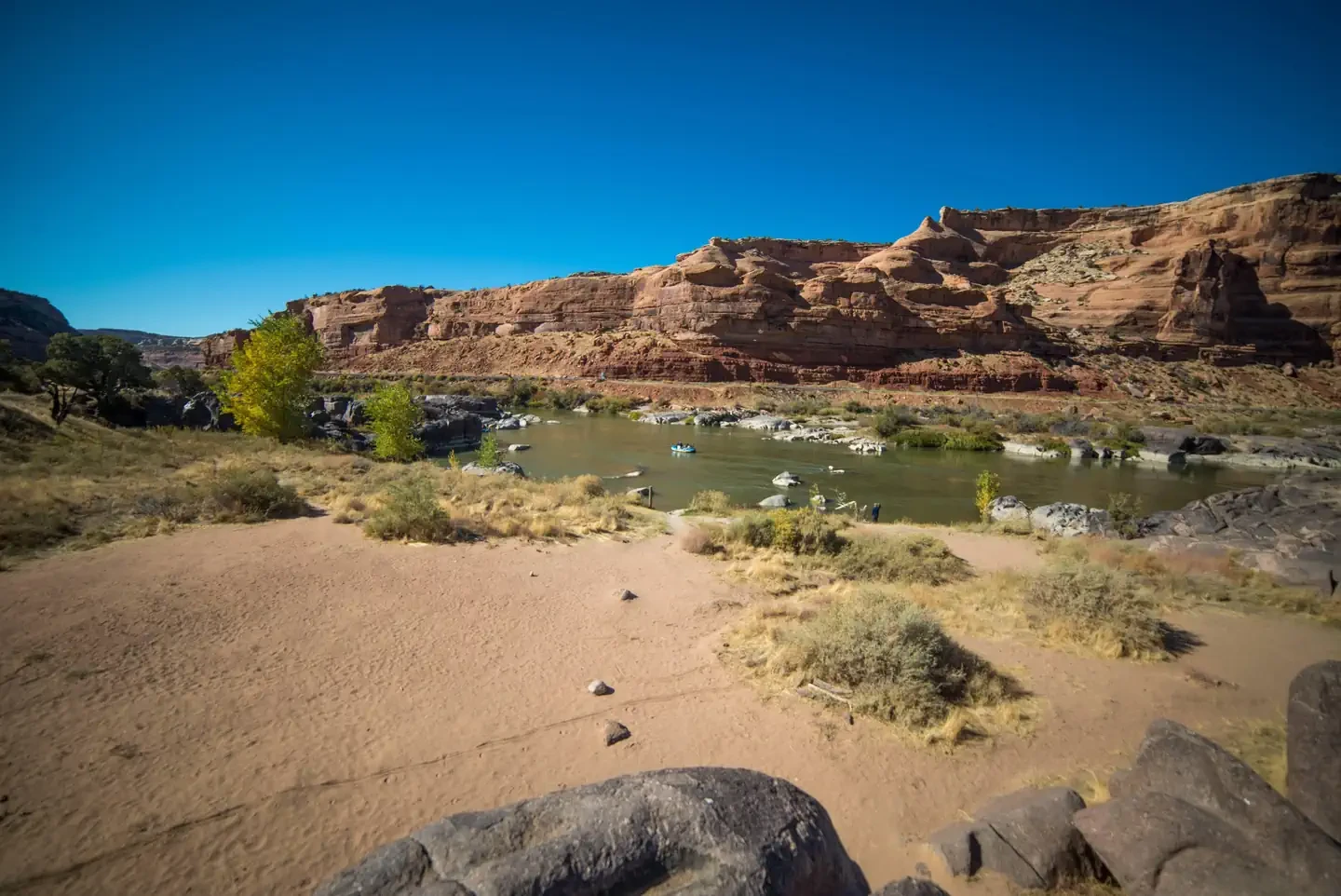
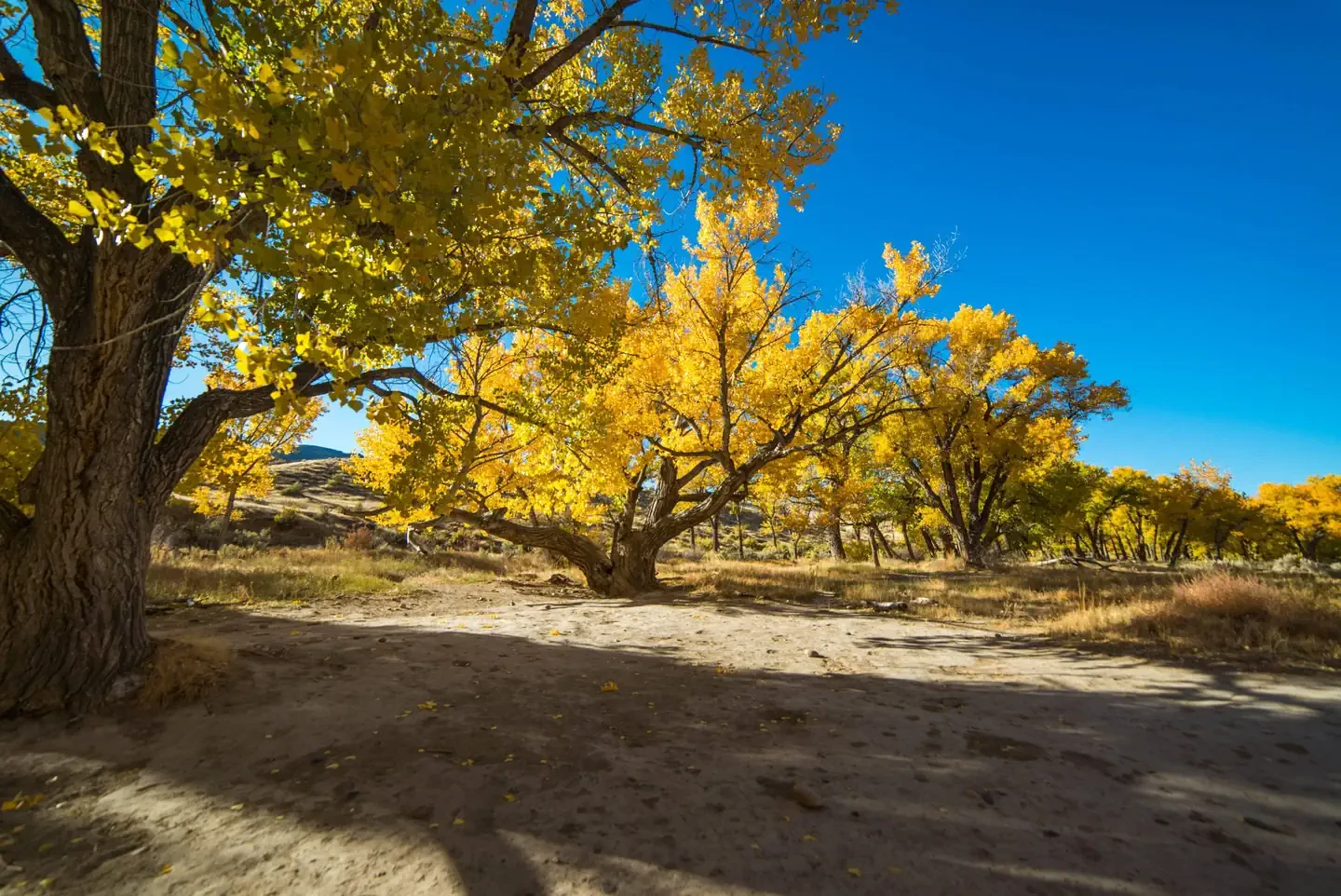
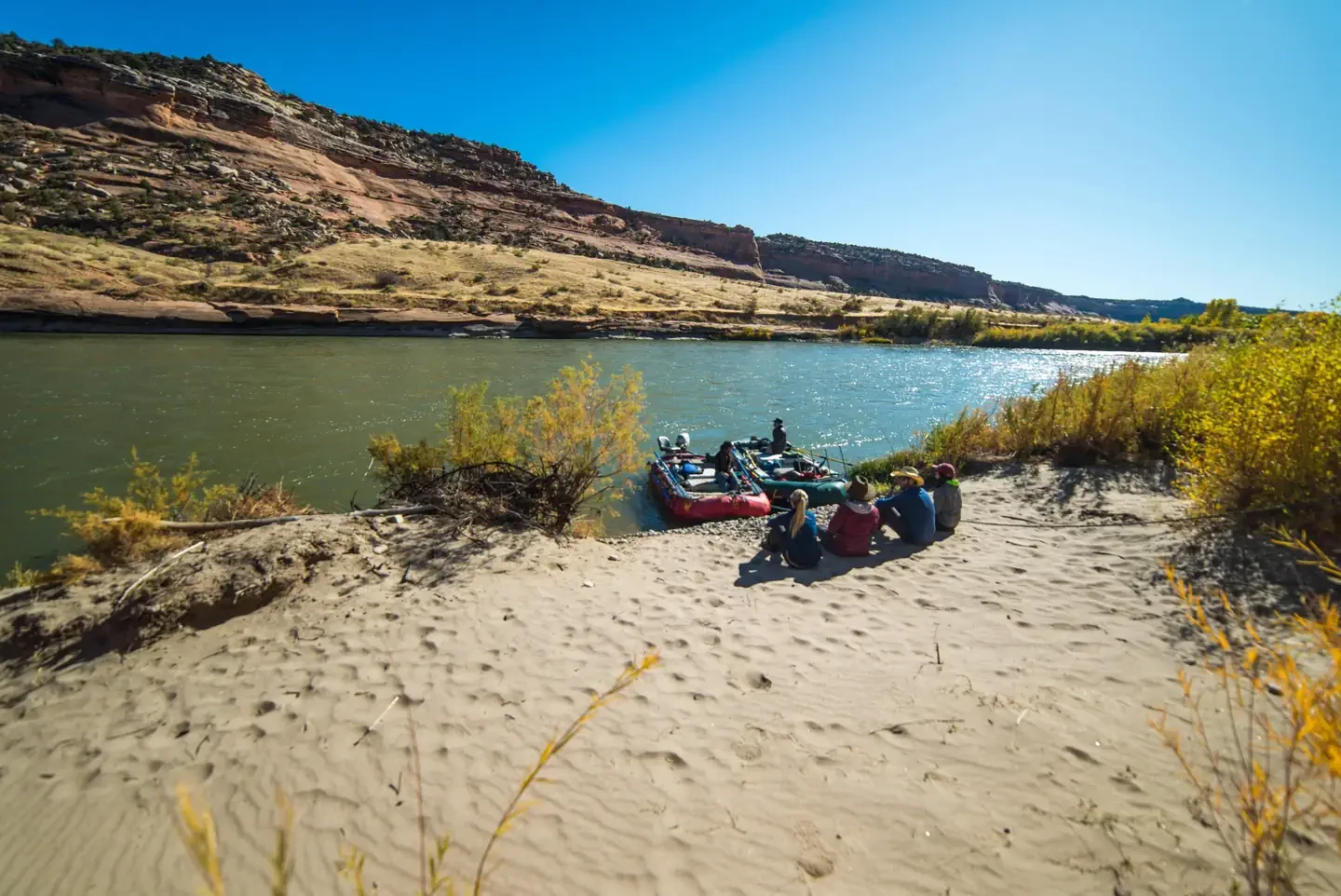
The Ruby-Horsethief section of the Colorado River, from Loma, Colorado, to Westwater, Utah, is a 25-mile stretch of mostly flat-water with sections of Class I and II rapids. It runs through beautiful red rock canyons and has many day hike opportunities offering both solitude and exploration. The Black Rocks section is composed of rock known as Vishnu schist, which dates back about 1.7 billion years; the same rock, which geologists refer to as an unconformity, is exposed in certain sections of the Grand Canyon. There is an abundance of wildlife in the area including great blue herons, bald eagles, peregrine falcons, mule deer, and desert bighorn sheep. Look up in old cottonwood trees and you are likely to spot eagle nests. Humans are prohibited from approaching within half a mile of eagle nests or harassing the birds in any way. Motorized use is allowed in Ruby Canyon, so visitors can expect to see both motorized and non-motorized craft. Due to limited camping along this 25-mile stretch, overnight camping permits are required year-round and must be reserved in advance; permits are available 60 days ahead. There is a maximum of 25 heartbeats per group, including adults, children, and dogs, with two dogs per group — dogs count toward your permit's group total. A permit is not required for day use in Ruby-Horsethief. This is a remote section of river with spotty to non-existent cell service. There are no other takeouts until Westwater, and rescues are long and cumbersome. Conditions vary depending on seasonal flows, especially for canoeists. Spring weather can be extremely variable, with hot days followed by snow followed by high winds followed by cold rains. Summer days can be very hot and buggy with little shade along the river; rain storms are usually short but somewhat violent, and summer nights are usually comfortable. Fall provides the most consistent weather with warm days, cool nights, and infrequent rain — though several days of long, cold, heavy and steady rain can occur at any time. The key is being prepared for almost anything. Check the streamflow data when planning your trip, especially during spring runoff, which can vary greatly from year to year and turns the river muddy with heavy debris. Extra care is needed with any type of watercraft when streamflow is over 30,000 CFS. Canoes are not recommended at all until flow drops below 20,000 CFS, and between 10,000 and 20,000 CFS only highly experienced canoeists should attempt this section. Family raft trips are best done when the river drops below 5,000 CFS.
Location
Ruby Horsethief Canyon Permits
To respect the Host's privacy, the precise address of this land will be provided after booking
Reviews
No reviews yet.
Bureau of Land Management
- 0
- Reviews
Meet your host, Bureau of Land Management
You might also like...
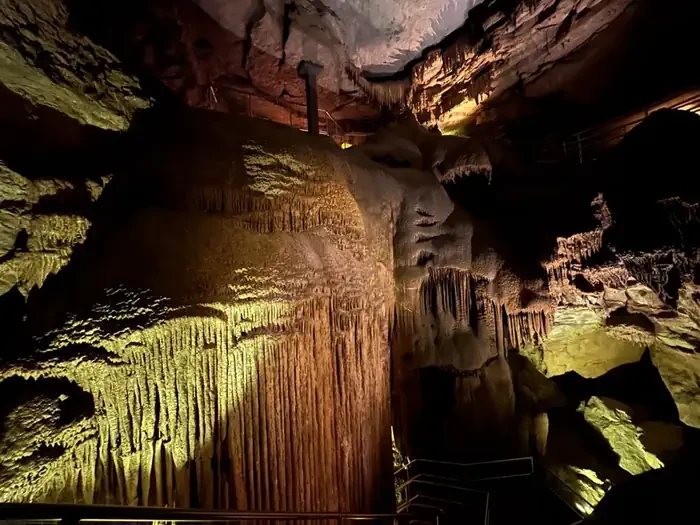
Grand Avenue
Mammoth Cave, KY
NewFee Unknown
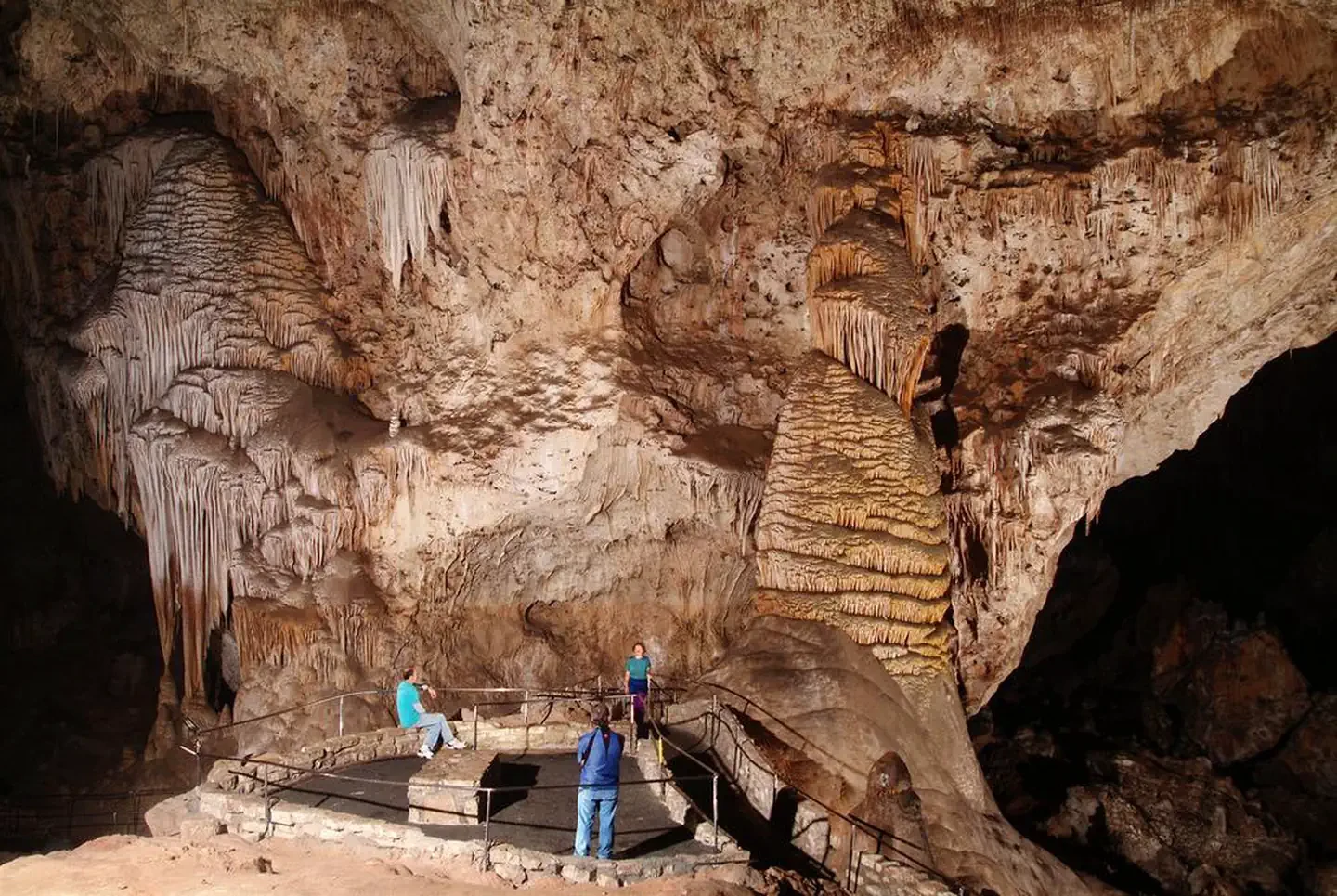
Self-Guided Tour
Carlsbad, NM
NewFee Unknown
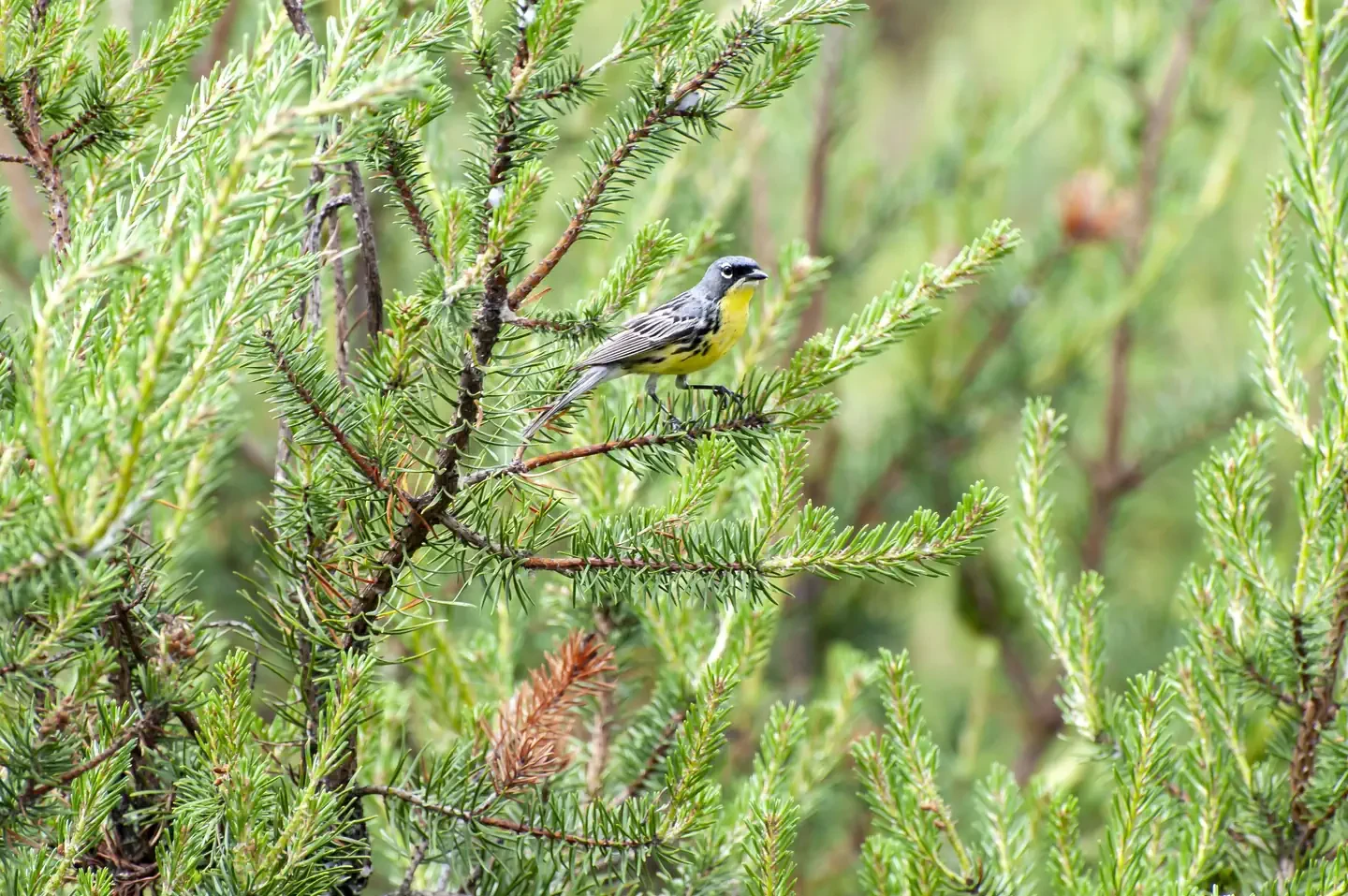
Kirtland's Warbler Guided Tour
Mio, MI
NewFee Unknown
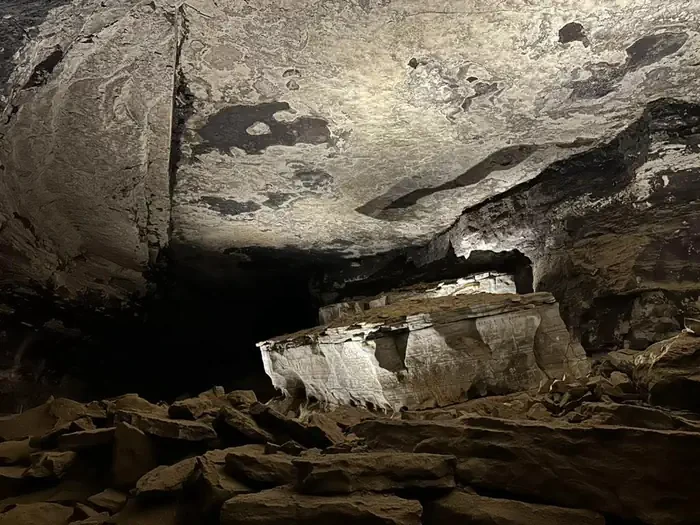
Extended Historic Tour
Mammoth Cave, KY
NewFee Unknown
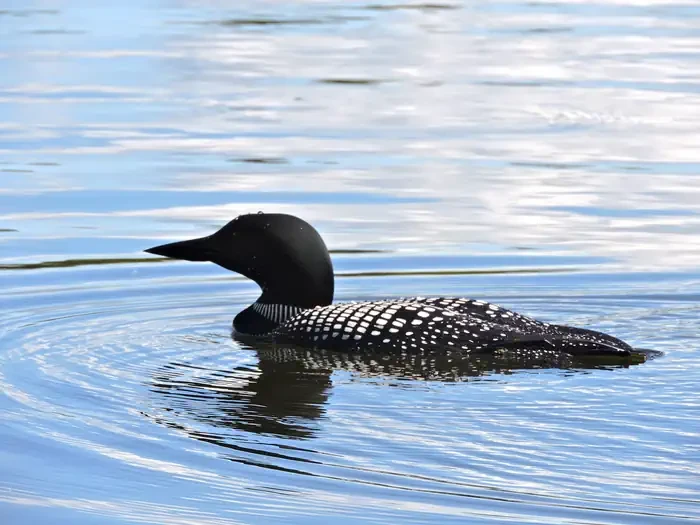
Life on the Lake Tour
International Falls, MN
NewFee Unknown
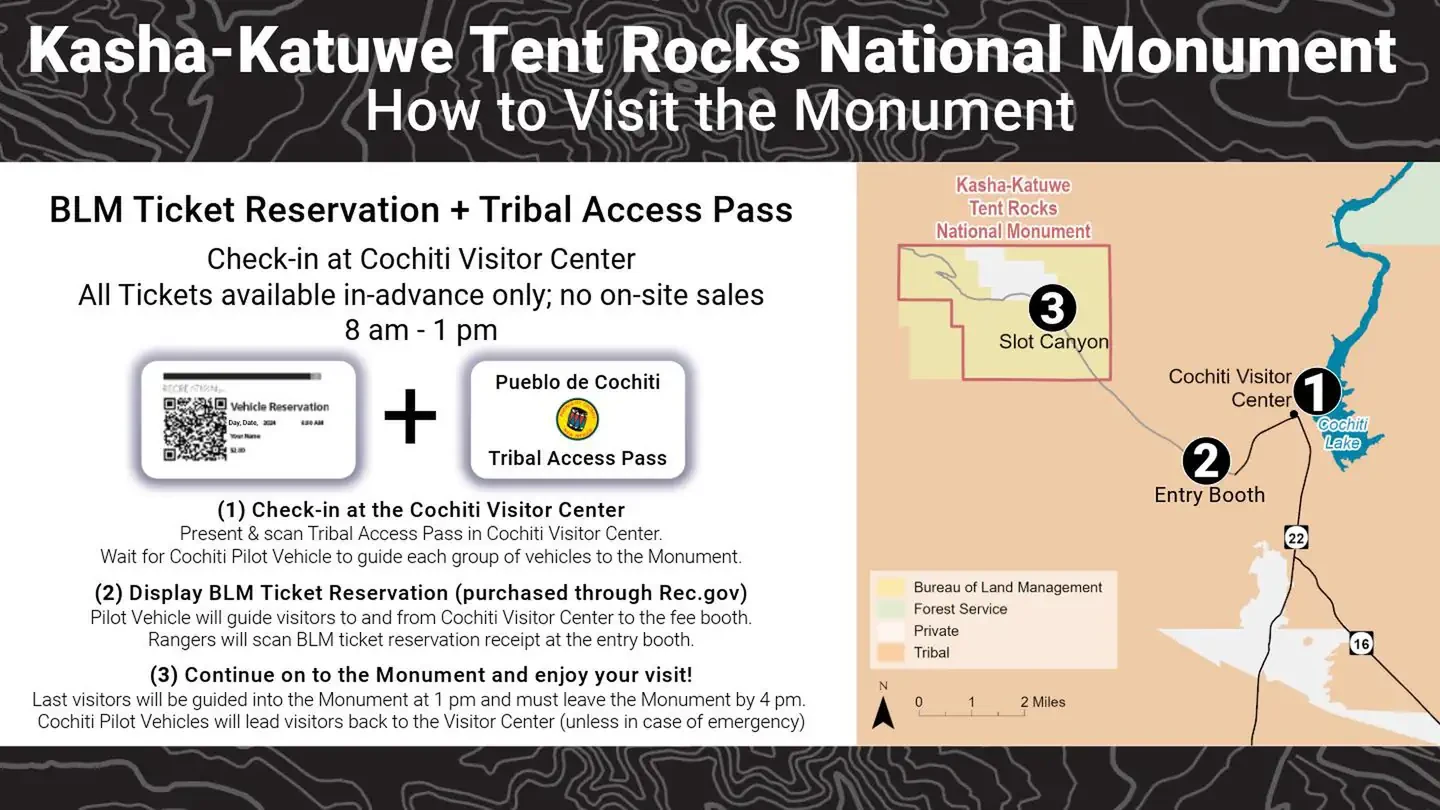
Kasha Katuwe Tent Rocks National Monument Ticketed Entry
Albuquerque, NM
NewFee Unknown
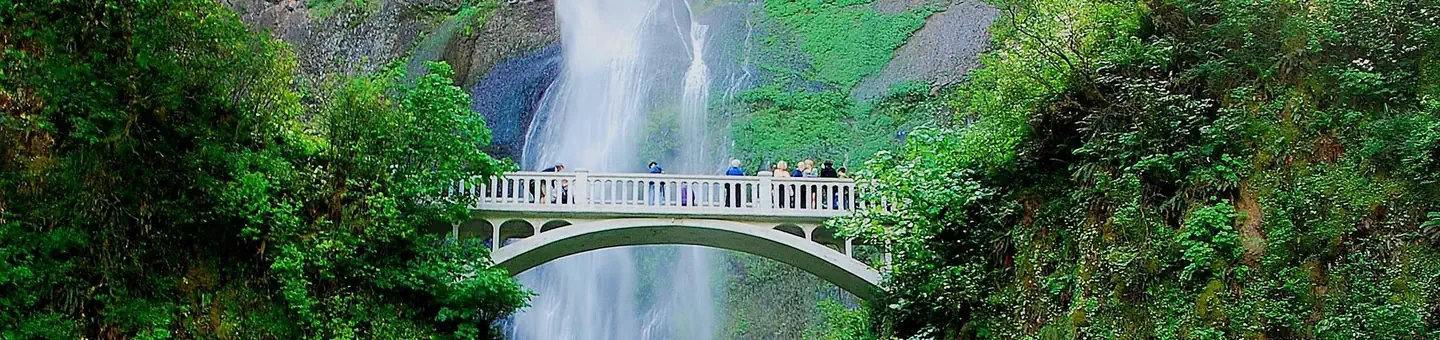
(Deactivated) Multnomah Falls Timed Reservation Tickets
Bridal Veil, OR
NewFee Unknown
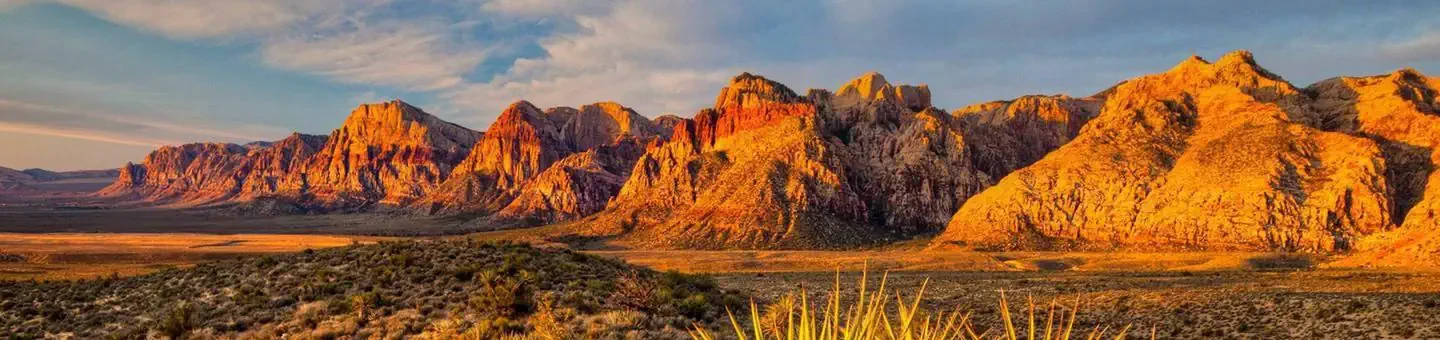
Red Rock Canyon National Conservation Area Scenic Drive Timed Entry
Las Vegas, NV
NewFee Unknown